Severe storms batter thousands of American homes every year, and over one in three emergency roof repairs stem from unexpected weather events. Protecting a house from sudden water damage or structural threats is a real concern for families nationwide. Yet confusion over what emergency roof repair actually means leads many American homeowners to costly mistakes. Understanding the difference between quick fixes and lasting solutions can help save time, money, and stress when disaster strikes.
Table of Contents
- Defining Emergency Roof Repair And Common Misconceptions
- Major Types Of Emergency Roof Repairs Needed
- How The Emergency Roof Repair Process Works
- When To Call A Roofing Professional Quickly
- Risks, Costs, And Mistakes To Avoid
Key Takeaways
| Point | Details |
|---|---|
| Emergency Roof Repairs Are Temporary | They serve as stopgap measures to prevent further damage until professional repairs can be made. |
| Prompt Action Is Essential | Contact a roofing professional within 24 hours of identifying damage to minimize costs and structural risks. |
| Cost Considerations Are Significant | Emergency repair costs can range from $894 to $1,626 per 100 square feet, highlighting the importance of professional intervention. |
| DIY Repairs Can Be Risky | Attempting self-repairs without expertise may lead to higher long-term costs and safety hazards. |
Defining Emergency Roof Repair And Common Misconceptions
Emergency roof repair represents critical interventions designed to prevent further structural damage after severe weather events or unexpected roof failures. FEMA defines emergency roof repair as temporary protective measures taken to safeguard buildings from additional deterioration, typically involving rapid stabilization techniques that halt ongoing damage.
Contrary to popular belief, emergency roof repairs are not permanent solutions but strategic temporary interventions. Homeowners often misunderstand these repairs, assuming they represent complete restoration. In reality, emergency repairs are stopgap measures intended to protect the underlying structure until comprehensive professional repairs can be conducted. These interventions might include tarping exposed areas, sealing critical breach points, and preventing water infiltration that could cause extensive interior damage.
The primary goals of emergency roof repair include minimizing water intrusion, preventing structural weakening, and creating a protective barrier against further environmental damage. Critical components of effective emergency roof repair involve rapid assessment, immediate protective measures, and strategic temporary stabilization. Successful interventions require quick action, professional expertise, and a comprehensive understanding of potential roof vulnerabilities.
Pro Tip: Fast Response Matters: Contact a professional roofing contractor within 24 hours of identifying roof damage to prevent escalating repair costs and potential structural compromise.
Major Types Of Emergency Roof Repairs Needed
Emergency roof repairs encompass a wide range of critical interventions designed to protect homes from progressive structural damage. FEMA’s Operation Blue Roof program highlights several key emergency repair scenarios, including damage from hurricanes, tornadoes, and other severe weather events that require immediate attention.
The most common types of emergency roof repairs typically include addressing storm-related damage, which can manifest in several distinct ways. These repairs often involve managing issues like punctured roofing materials, extensive water infiltration, missing or damaged shingles, and structural compromises caused by fallen trees or significant wind damage. Professionals prioritize stopping active leaks, preventing water from entering the home’s interior, and stabilizing damaged roofing sections to minimize further deterioration.
Cost considerations play a significant role in emergency roof repairs. According to repair cost data, storm damage repair can range from $894 to $1,626 per 100 square feet, depending on factors like location, roofing materials, and the extent of damage. Key emergency repair types include leak sealing, wind damage restoration, impact damage repair from fallen branches or debris, and temporary protective measures like emergency tarping to prevent additional water intrusion.
Here’s a summary of common emergency roof repair types and their main challenges:
| Repair Type | Typical Cause | Main Challenge |
|---|---|---|
| Leak Sealing | Heavy rain or hail impact | Locating all infiltration points |
| Wind Damage Fix | Strong winds or tornadoes | Re-securing or replacing shingles |
| Impact Damage Repair | Fallen branches or debris | Addressing hidden structural harm |
| Emergency Tarping | Severe weather exposure | Ensuring waterproof and secure fit |
Pro Tip: Damage Assessment Matters: Take detailed photographs of roof damage immediately after a storm and document everything for insurance purposes before any temporary repairs are made.
How The Emergency Roof Repair Process Works
The U.S. Army Corps of Engineers’ emergency roof repair protocols provide a comprehensive framework for managing critical roof damage, emphasizing a systematic approach that prioritizes homeowner safety and property protection. The emergency repair process typically involves multiple critical stages designed to minimize further structural deterioration and prevent additional damage to the property.
The initial phase of emergency roof repair centers on comprehensive damage assessment. Professional roofing technicians conduct a thorough inspection to evaluate the extent of damage, identifying critical structural vulnerabilities, potential water infiltration points, and immediate risks. This assessment helps determine the most appropriate temporary and permanent repair strategies. Immediate stabilization becomes the primary objective, which often involves securing loose materials, preventing further water penetration, and creating temporary protective barriers to shield the home’s interior.
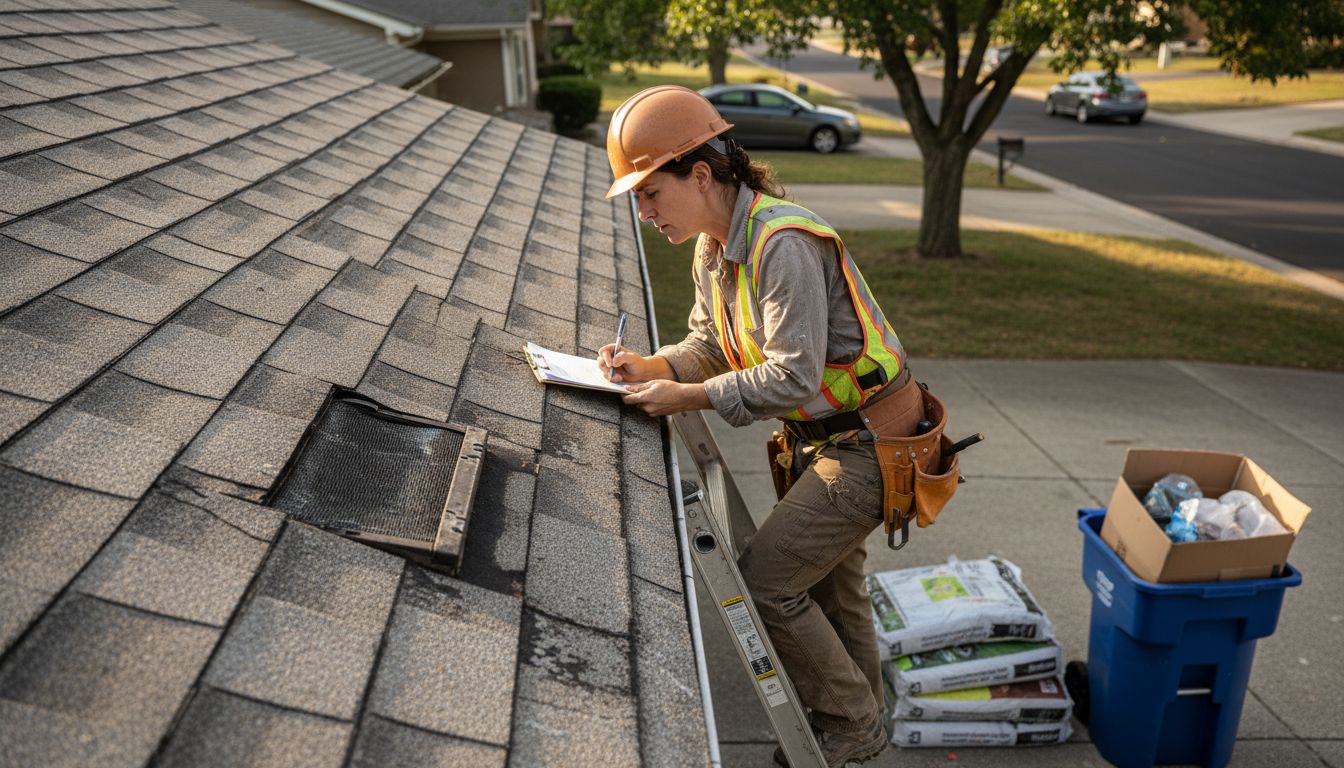
Temporary repair techniques are crucial in bridging the gap between initial damage and permanent restoration. These methods typically include emergency tarping, which involves carefully covering damaged areas with specialized waterproof materials to prevent additional water intrusion. Professional teams utilize high-strength, UV-resistant tarps strategically placed to provide maximum protection while allowing homeowners time to arrange comprehensive permanent repairs. The process requires precise measurement, careful attachment techniques, and consideration of wind resistance to ensure the temporary solution remains effective.
Pro Tip: Emergency Prep Matters: Create a digital folder with your roof’s documentation, including original installation details, warranty information, and a photographic inventory, so you can quickly access critical information during emergency repair situations.
When To Call A Roofing Professional Quickly
Understanding the critical moments that require immediate professional roofing intervention can save homeowners significant time, money, and potential structural damage. Roofing experts recommend prompt action when more than 30% of the roof shows signs of significant damage, which can include extensive shingle loss, granule deterioration, or visible structural compromises.
Several urgent indicators signal the immediate need for professional roof repair. Severe storm damage represents the most critical scenario, particularly after high-wind events, hailstorms, or fallen tree impacts. Visible signs such as multiple missing shingles, large holes, sagging roof sections, or water stains on interior ceilings demand rapid professional assessment. These symptoms suggest potential structural weakening that could lead to catastrophic roof failure if not addressed quickly. Homeowners should recognize that what appears to be minor damage can rapidly escalate into extensive and expensive repairs if left unattended.
Beyond visible damage, other subtle indicators warrant professional inspection. Unexplained moisture in the attic, sudden increases in energy bills suggesting poor insulation, or small leaks that seem to appear intermittently can indicate underlying roof damage. Professional roofing technicians possess specialized equipment and expertise to diagnose issues that might not be immediately apparent to untrained eyes. They can identify potential weak points, assess structural integrity, and recommend precise interventions before minor problems transform into major structural challenges.
Pro Tip: Damage Documentation Matters: Take clear, dated photographs of any roof damage immediately after a storm, ensuring you capture multiple angles and close-up views to support potential insurance claims and professional repair assessments.
Risks, Costs, And Mistakes To Avoid
Emergency roof repairs represent significant financial and safety challenges that require careful navigation. Emergency repair costs can vary dramatically, ranging from $894 to $1,626 per 100 square feet, depending on the extent of damage and specific repair requirements. Homeowners must understand these potential expenses while also recognizing the critical importance of professional intervention to prevent more extensive and costly future damage.
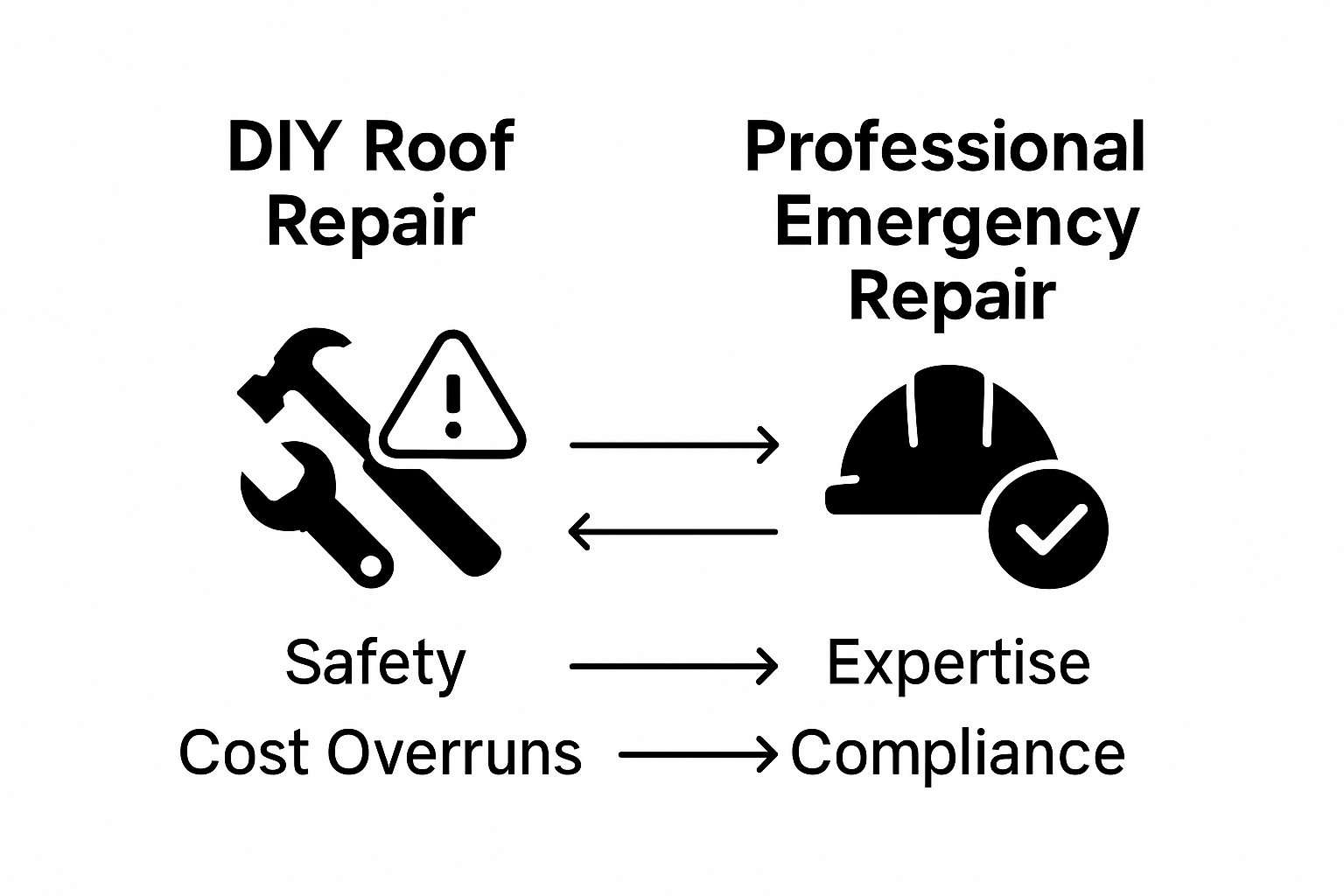
Costly DIY mistakes can exponentially increase repair expenses and create substantial safety risks. Attempting self-repairs without proper training, equipment, or understanding of roofing systems often leads to additional structural damage, voided warranties, and potential personal injury. Professionals bring specialized knowledge, ensuring repairs address underlying issues rather than merely covering surface-level problems. Common DIY errors include improper material selection, incorrect installation techniques, and failure to identify structural weaknesses that could compromise the entire roofing system.
Consider this comparison of DIY versus professional emergency roof repair approaches:
| Aspect | DIY Repair Approach | Professional Approach |
|---|---|---|
| Safety Level | Higher risk of injury | Certified training and equipment |
| Repair Quality | Potential for temporary, incomplete fix | Comprehensive and code-compliant repair |
| Cost Risk | Lower initial, higher long-term expense | Upfront cost but less risk of escalation |
| Warranty Impact | Likely voids manufacturer warranty | Maintains coverage and documentation |
Regulatory compliance represents another critical consideration that many homeowners overlook. Roof repairs frequently require specific permits and must adhere to local building codes. Failing to secure necessary permissions can result in significant legal complications, including potential fines, mandatory reconstruction, and challenges with insurance claims. Professional roofing contractors understand these regulatory requirements and can navigate the complex landscape of municipal regulations, ensuring that all repairs meet local standards and legal requirements.
Pro Tip: Financial Preparation Matters: Maintain an emergency home repair fund that covers approximately 1-2% of your home’s value annually, specifically earmarked for unexpected structural repairs like roof damage.
Act Quickly to Protect Your Home From Storm Damage with Expert Emergency Roof Repair
Storm damage can create urgent problems such as leaks, missing shingles, and weakened roof structures that put your home at risk of costly long-term damage. If your roof has suffered recent damage from severe weather or you noticed signs like water stains or missing shingles it is critical to act fast with effective emergency roof repair solutions. At Liberty Roofworks we specialize in rapid response to secure your home using proven techniques like emergency tarping and leak sealing to prevent further harm.
Do not wait for the damage to escalate. Our team understands the importance of quick damage assessment and professional temporary repairs before permanent restoration. Whether you need residential roof repair or major storm damage restoration, you can trust us to provide comprehensive and code-compliant solutions that protect your investment and peace of mind. Visit Storm Damage Repair to explore our services or contact us directly through our main site to schedule your emergency inspection now. Early action today means avoiding expensive complications tomorrow.
Frequently Asked Questions
What is emergency roof repair?
Emergency roof repair involves immediate interventions to protect a home from further structural damage following severe weather events or roof failures. These measures are temporary, designed to prevent additional deterioration until permanent repairs can be made.
What are the most common types of emergency roof repairs?
The most common types include leak sealing, wind damage restoration, impact damage repair from debris, and temporary protective measures like emergency tarping. Each type addresses specific issues that arise from storm-related damage.
How quickly should I call a roofing professional after storm damage?
It is crucial to contact a roofing professional within 24 hours of identifying roof damage to minimize repair costs and prevent further structural issues. Signs that warrant immediate attention include sagging roof sections or multiple missing shingles.
What are the risks of DIY emergency roof repairs?
DIY emergency roof repairs can lead to costly mistakes, including improper installation, personal injury, and voided warranties. Without professional expertise, temporary fixes may not address underlying issues, potentially resulting in more extensive damage and higher long-term costs.