Over half of American homeowners deal with roof leaks at some point, risking thousands in preventable repairs. Even a small leak can compromise your home’s structure and lead to mold or water damage that spirals out of control. By learning what causes roof leaks, you can protect your investment, spot trouble early, and avoid the most common hazards that catch so many by surprise.
Table of Contents
- What Causes Roof Leaks In Homes
- Most Common Roof Leak Sources
- Weather And Storm-Related Roofing Damage
- How To Spot And Diagnose A Roof Leak
- Mistakes To Avoid In Roof Leak Repairs
Key Takeaways
| Point | Details |
|---|---|
| Common Causes | Roof leaks often arise from damaged shingles, compromised flashing, and poor ventilation, necessitating timely inspections. |
| Regular Maintenance | Conducting annual professional inspections and quarterly visual checks can help identify and address potential leak sources early. |
| Weather Impact | Storm damage, such as wind and hail, can significantly weaken a roof’s integrity; post-storm assessments are crucial for detection. |
| Repair Mistakes | Avoid amateur repairs, temporary fixes, and neglecting maintenance, as these can exacerbate existing issues and lead to costly repairs. |
What Causes Roof Leaks In Homes
Roof leaks can transform from minor nuisances into significant home damage if homeowners ignore early warning signs. Understanding the primary causes of roof leaks helps prevent costly repairs and protects your home’s structural integrity. From aging materials to environmental factors, multiple issues can compromise your roof’s water-resistant capabilities.
The most common roof leak sources stem from physical damage and material degradation. Roof materials naturally deteriorate over time, creating vulnerabilities that allow water penetration. Missing or broken shingles expose underlying roof layers, while cracked flashing around chimneys, skylights, and vents creates direct pathways for moisture intrusion. Weather events like heavy storms, extreme temperature fluctuations, and accumulated ice can accelerate these structural weaknesses.
Condensation represents another significant leak risk many homeowners overlook. When warm, moist indoor air meets cold attic surfaces, water droplets form and gradually degrade roof substrates. Roof leaks may emerge from condensation buildup in poorly ventilated attic spaces, particularly in regions with dramatic temperature variations. This hidden moisture can cause extensive damage before visual signs become apparent, making regular roof inspections critical.
Pro Tip – Moisture Monitoring: Conduct quarterly visual roof inspections and check your attic for early signs of moisture accumulation, paying special attention to dark spots, water stains, or musty odors that could indicate developing leak problems.
Key Leak Causes:
Here’s a comparison of common roof leak causes and the best prevention strategies:
| Leak Cause | Typical Location | Prevention Tip |
|---|---|---|
| Damaged shingles | Roof surface | Replace worn shingles promptly |
| Compromised roof flashing | Around chimneys, vents | Seal and inspect flashing yearly |
| Poor attic ventilation | Attic spaces | Add vents to balance airflow |
| Gutter blockages | Roof edges and gutters | Clean gutters every season |
- Damaged or missing shingles
- Compromised roof flashing
- Aging roofing materials
- Poor attic ventilation
- Ice dam formation
- Gutter blockages
Most Common Roof Leak Sources
Homeowners face numerous challenges when it comes to maintaining a watertight roof, with certain vulnerabilities appearing more frequently than others. Understanding these common leak sources can help you proactively protect your home from potential water damage and costly repairs. The roof represents your home’s primary defense against environmental elements, making early identification of potential weaknesses crucial.
Flashing represents one of the most critical areas where roof leaks develop. Roof leaks often stem from failures in the waterproofing membrane or damaged flashing around chimneys, vents, or skylights, creating vulnerable entry points for moisture. These areas experience constant expansion and contraction with temperature changes, which can cause materials to separate and create microscopic openings that gradually allow water penetration. Professional roofers frequently find that improperly sealed or aged flashing becomes a primary source of systematic roof leakage.
Beyond flashing issues, other significant leak sources include compromised shingle conditions and structural roof damage. Asphalt shingles can crack, curl, or become dislodged during severe weather events, exposing underlying roof layers to potential water intrusion. Age-related material degradation, combined with environmental stress like extreme temperatures, UV radiation, and wind damage, can accelerate roof vulnerability. Additionally, blocked or damaged gutters can cause water to back up and seep underneath roofing materials, creating hidden moisture pathways that compromise your roof’s integrity.
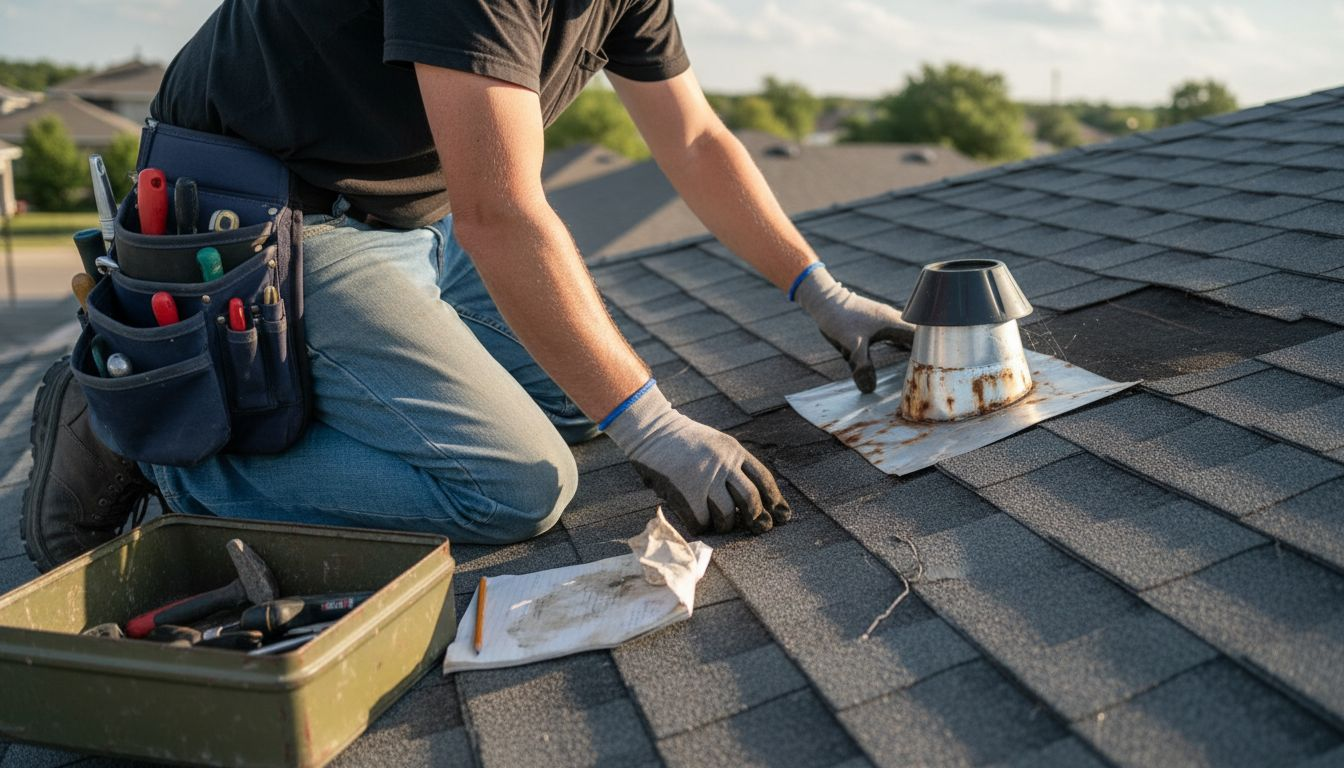
Pro Tip – Annual Inspection: Schedule professional roof inspections every 12 months to catch potential leak sources before they become expensive repair projects, focusing on flashing, shingle condition, and gutter functionality.
Primary Roof Leak Sources:
- Damaged roof flashing
- Cracked or missing shingles
- Improper roof ventilation
- Compromised skylights and roof penetrations
- Gutter system failures
- Structural roof deterioration
Weather And Storm-Related Roofing Damage
Storm damage represents one of the most unpredictable and destructive threats to residential roofing systems. High winds, heavy precipitation, hail, and falling debris can transform a seemingly solid roof into a vulnerable structure within minutes. Homeowners must understand how different weather events can compromise their roof’s structural integrity and create potential entry points for water intrusion.
Severe weather can cause shingles to become damaged due to impact from falling debris or simply age, creating significant vulnerabilities in your home’s primary protective barrier. Wind storms can lift or tear away shingles, exposing underlying roof layers to potential water damage. Hailstones can create punctures and bruising on asphalt shingles, weakening their protective capabilities and creating microscopic entry points for moisture. These damage mechanisms often remain invisible to untrained eyes, making professional post-storm inspections crucial for identifying potential long-term roofing issues.
Beyond immediate physical damage, storm-related roofing problems often involve complex interactions between wind, precipitation, and structural materials. Rapid temperature changes, ice formation, and sustained moisture exposure can accelerate roof material degradation. Tree branches, airborne debris, and extreme wind can cause unexpected impacts that compromise roof integrity. Water can seep through damaged areas, potentially leading to internal structural damage, mold growth, and extensive repair requirements if left unaddressed.
Pro Tip – Post Storm Assessment: Conduct a careful visual roof inspection after significant weather events, looking for obvious signs of damage like missing shingles, exposed underlayment, or debris accumulation.
Key Storm Damage Roof Vulnerabilities:
Consider these differences between weather-related and maintenance-related roof leaks:
| Leak Type | Common Trigger | Example Sign | Recommended Action |
|---|---|---|---|
| Weather-related | Storms, hail, high winds | Shingle bruising, debris | Schedule post-storm check |
| Maintenance-related | Aging, neglect | Water stains, moss | Inspect and maintain yearly |
- Wind-lifted shingles
- Hail impact damage
- Falling debris punctures
- Ice dam formation
- Water infiltration points
- Structural material weakening
How To Spot And Diagnose A Roof Leak
Detecting a roof leak early can save homeowners thousands of dollars in potential structural damage and repair costs. Unlike obvious water streams, roof leaks often manifest through subtle signs that require careful observation and systematic investigation. Understanding these warning indicators allows homeowners to take proactive measures before minor issues escalate into major structural problems.
Signs of roof leaks include stains or water damage on ceilings directly under valleys or penetrations, creating critical diagnostic markers for potential moisture intrusion. Water stains typically appear as discolored patches, ranging from light brown to dark yellow, often spreading outward from a central point. These visual cues frequently indicate ongoing water penetration, with the location of the stain providing valuable insights into the potential leak source. Professional roofers recommend tracking these indicators over time, as intermittent leaks might only become apparent during specific weather conditions.
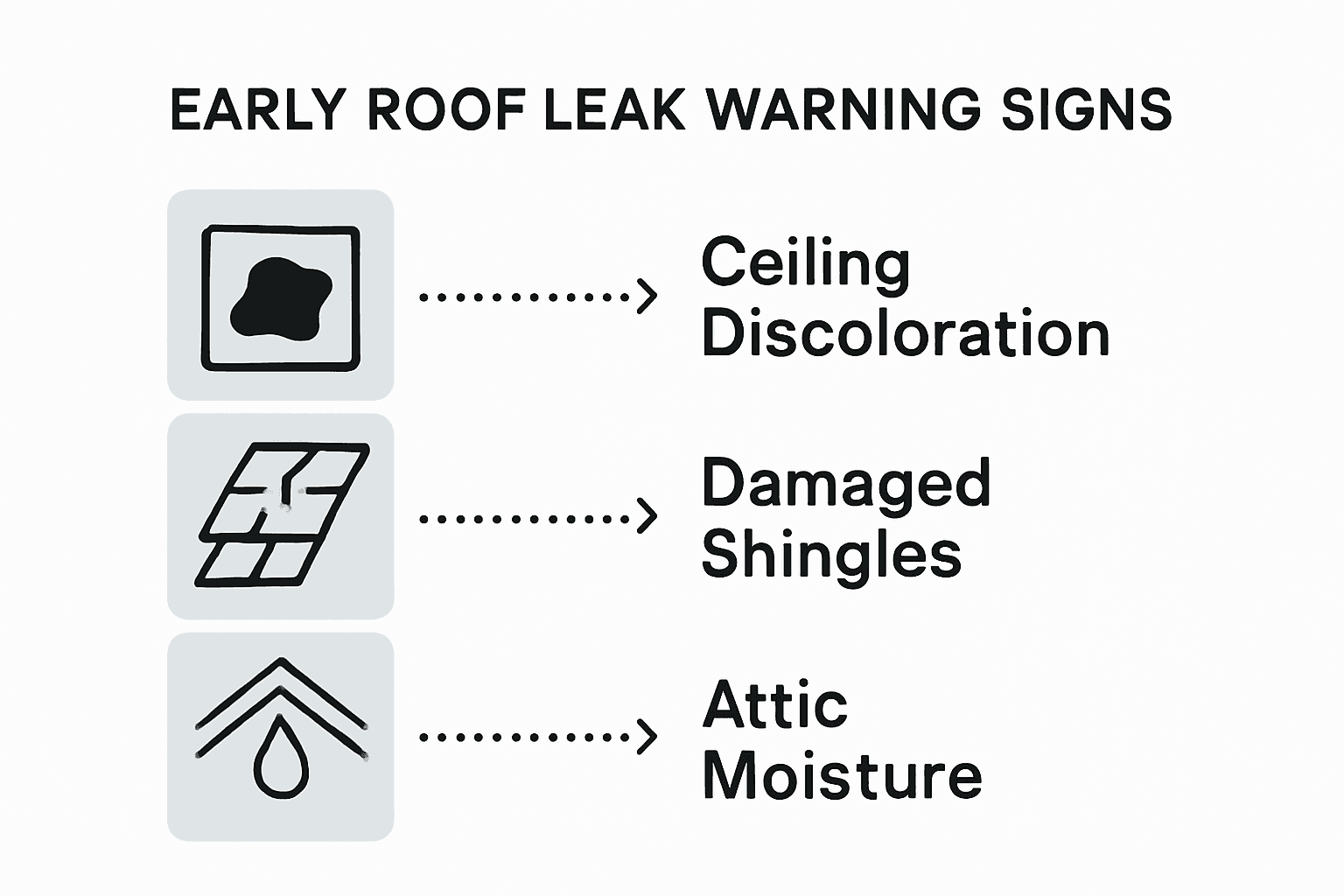
Beyond visual inspection, homeowners should conduct comprehensive roof leak diagnostics by examining multiple potential entry points. The attic represents a crucial investigation zone, where moisture accumulation, darkened wood surfaces, and musty odors can reveal hidden leak pathways. Checking roof penetrations like chimneys, vents, and skylights for compromised sealing becomes essential, as these areas are most susceptible to water infiltration. Exterior roof inspections should focus on shingle condition, looking for curling, cracking, or missing pieces that might create potential water entry routes.
Pro Tip – Leak Detection: Conduct a thorough roof inspection during daylight hours, using a flashlight to highlight subtle moisture indicators and potential damage areas.
Roof Leak Diagnostic Checklist:
- Water stains on interior ceilings
- Discoloration around roof penetrations
- Damp or musty attic spaces
- Visible exterior shingle damage
- Moisture around chimney and vent areas
- Dark spots on interior walls
Mistakes To Avoid In Roof Leak Repairs
Homeowners often inadvertently compound roof leak problems through well-intentioned but misguided repair attempts. Understanding these common mistakes can prevent additional damage and potentially save significant repair expenses. The difference between a successful repair and a costly mistake often lies in recognizing what not to do during the roof leak restoration process.
Common mistakes in roof leak repairs include improper installation or maintenance of flashing, which can dramatically escalate existing water intrusion issues. Amateur repairs frequently involve using inappropriate sealants, applying temporary patches without addressing underlying structural problems, or attempting complex repairs without proper knowledge. These stopgap measures might seem cost-effective initially but often lead to more extensive damage, requiring more expensive professional intervention in the future.
Neglecting regular maintenance and inspections can lead to undetected issues that escalate into significant problems, creating a cascading effect of roof deterioration. Homeowners frequently make the mistake of ignoring minor signs of water damage, assuming small leaks will resolve themselves. This approach can result in compromised roof structure, mold growth, and potential interior damage that far exceeds the cost of timely professional repairs. Waiting too long or attempting DIY solutions without proper assessment can transform a manageable repair into a full roof replacement scenario.
Pro Tip – Professional Assessment: Always consult a professional roofer for leak evaluations, as they can identify hidden damage and provide comprehensive repair strategies.
Critical Repair Mistakes to Avoid:
- Applying temporary patch solutions
- Ignoring small leak indicators
- Using inappropriate repair materials
- Attempting complex repairs without expertise
- Skipping professional roof inspections
- Delaying necessary maintenance
Protect Your Charlotte Home From Costly Roof Leaks Today
Understanding the causes of roof leaks like damaged flashing, poor ventilation, and storm-related impacts is the first step to safeguarding your home. The risks of ignoring these issues can range from hidden moisture and mold growth to expensive repairs down the line. At Liberty Roofworks, we specialize in expert Residential Roof Repair & Replacements designed to address every common leak source efficiently and reliably.
Don’t let a small leak turn into a major problem. Our experienced team offers comprehensive solutions including storm damage repair and new roof installations that deliver peace of mind and protect your investment. Take action now to identify hidden vulnerabilities and keep your roof watertight. Visit us at Liberty Roofworks to schedule a professional inspection and experience Charlotte’s trusted roofing experts focused on your satisfaction and lasting results.
Frequently Asked Questions
What are the most common causes of roof leaks?
The most common causes of roof leaks include damaged shingles, compromised roof flashing, aging roofing materials, poor attic ventilation, ice dam formation, and gutter blockages.
How can I detect a roof leak early?
You can detect a roof leak early by looking for water stains on ceilings, discoloration around roof penetrations, damp or musty attic spaces, visible exterior shingle damage, and dark spots on interior walls.
What should I do if I find a roof leak?
If you find a roof leak, conduct a thorough inspection to identify the source of the leak. Document any visible signs of damage. It’s advisable to consult a professional roofer to evaluate the situation and carry out necessary repairs.
How often should I have my roof inspected for leaks?
It is recommended to have your roof inspected at least once a year, and more frequently after severe weather events, to catch potential leak sources before they escalate into costly repairs.