Most American homeowners are surprised to learn that EPDM roofing can last more than 30 years with minimal upkeep. This durability makes it a top contender for anyone wanting peace of mind through every season. With superior weather resistance and a track record proven on millions of roofs, EPDM offers a flexible solution for properties across the United States—lasting far longer than many other common options.
Table of Contents
- What Is EPDM Roofing Material?
- How EPDM Roofing Withstands Weather
- Typical Lifespan And Maintenance Needs
- Factors Impacting EPDM Roof Longevity
- EPDM Vs Other Roofing Options
Key Takeaways
| Point | Details |
|---|---|
| Exceptional Durability | EPDM roofing systems last over 30 years, offering significant cost savings for homeowners through reduced maintenance and replacement needs. |
| Weather Resistance | EPDM stands out for its ability to withstand extreme temperatures and UV exposure, ensuring long-term structural integrity. |
| Proactive Maintenance | Regular inspections and prompt attention to wear can significantly extend the lifespan of an EPDM roof. |
| Environmental Benefits | EPDM has a lower carbon footprint and can often be recycled, making it a sustainable roofing choice. |
What Is EPDM Roofing Material?
EPDM (Ethylene Propylene Diene Monomer) is a specialized synthetic rubber roofing membrane designed for durability and long-term performance. Synthetic rubber membranes are engineered to provide superior weather resistance across various environmental conditions, making them a popular choice for both residential and commercial roofing applications.
Typically manufactured in sheets ranging from 0.030 to 0.060 inches thick, EPDM roofing offers remarkable flexibility and resilience. These membranes can be installed using multiple techniques, including ballasted systems with stone or concrete pavers and mechanically attached systems that use fasteners to secure the membrane, providing contractors and homeowners with versatile installation options.
The key characteristics of EPDM roofing include exceptional thermal stability, strong UV resistance, and impressive durability. Unlike traditional roofing materials, EPDM can withstand significant temperature fluctuations without compromising its structural integrity. Its synthetic composition allows it to maintain flexibility and prevent cracking, which is crucial for long-term roof performance. Homeowners appreciate EPDM for its ability to resist weathering, provide reliable protection, and require minimal maintenance.
Pro Tip for Homeowners: When considering EPDM roofing, always consult with professional roofing contractors who can assess your specific structural requirements and recommend the most suitable installation method for your property.
How EPDM Roofing Withstands Weather
EPDM roofing has earned a remarkable reputation for its exceptional weather resistance, with proven performance documented over four decades of field applications. Its unique elastomeric properties enable the material to maintain remarkable flexibility and structural integrity under challenging environmental conditions, making it a top choice for homeowners seeking durable roofing solutions.
The material’s resilience stems from its ability to withstand extreme temperature variations, UV radiation, and ozone exposure. Unlike traditional roofing materials that might crack or degrade, EPDM membranes can expand and contract without compromising their protective capabilities. Laboratory investigations have consistently demonstrated that aged EPDM roofing membranes maintain their structural integrity, which means homeowners can expect long-lasting performance even after years of exposure to harsh weather conditions.
Key weather resistance features of EPDM roofing include its superior resistance to thermal cycling, exceptional UV protection, and remarkable durability. The synthetic rubber composition allows the membrane to remain flexible in temperatures ranging from extreme cold to intense heat, preventing brittleness and cracking. This adaptability ensures that the roofing material continues to provide a reliable barrier against moisture, wind, and temperature fluctuations, ultimately protecting the underlying structure of the building.
Pro Tip for Weather Protection: Conduct annual roof inspections to identify and address any potential weak points or minor damage early, which can significantly extend your EPDM roof’s weather resistance and overall longevity.
Typical Lifespan and Maintenance Needs
EPDM roofing systems demonstrate exceptional longevity, consistently exceeding 30 years of service life. This impressive durability translates into significant cost savings for homeowners, reducing the frequency of roof replacements and minimizing long-term maintenance expenses. The synthetic rubber membrane’s ability to withstand environmental challenges makes it an attractive roofing solution for those seeking a reliable, long-lasting protective barrier.
Maintaining an EPDM roof requires regular, strategic attention to preserve its performance and extend its lifespan. Homeowners should conduct periodic inspections to identify potential issues such as seam failures, shrinkage, or localized damage. Critical maintenance practices include ensuring proper roof drainage, avoiding exposure to petroleum-based products, and promptly addressing any signs of wear or deterioration. These proactive steps can help prevent minor problems from escalating into more significant, costly repairs.
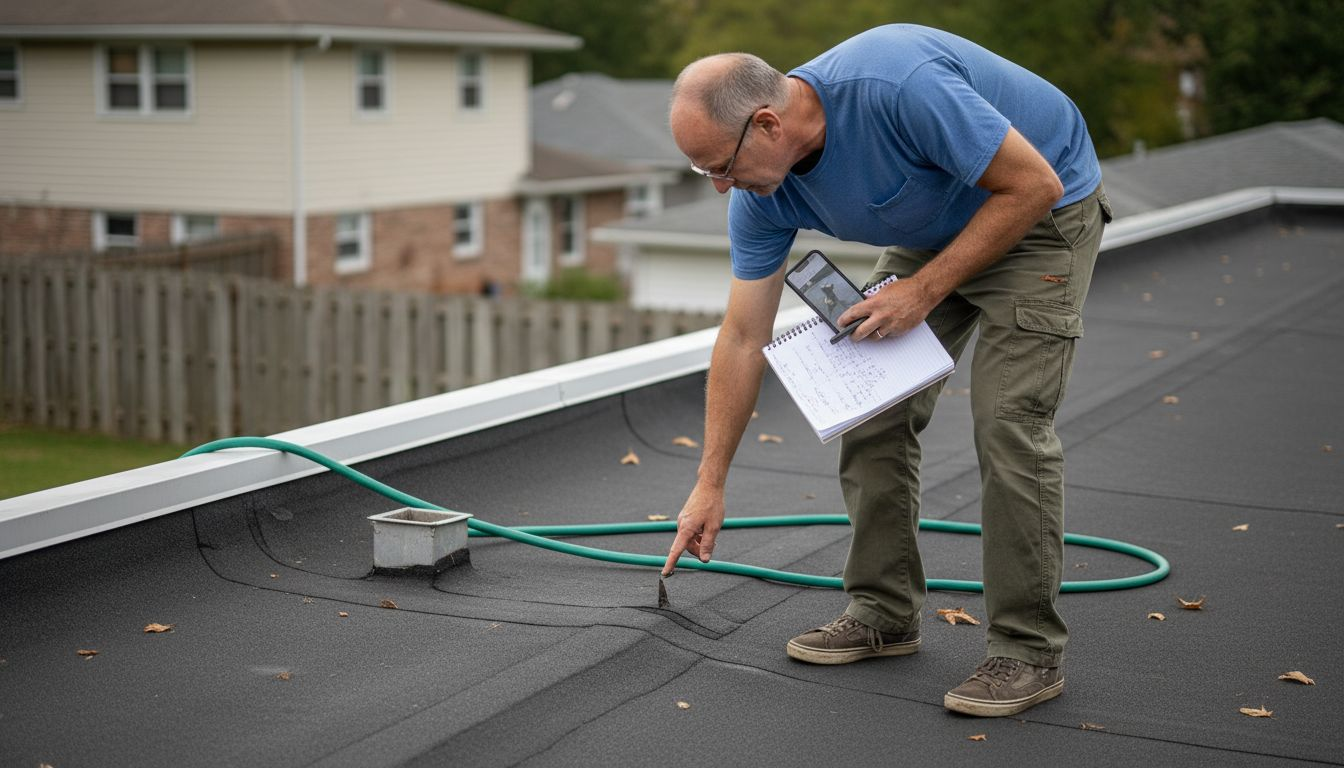
The environmental benefits of EPDM roofing extend beyond its impressive durability. Many EPDM membranes can be recycled at the end of their service life, contributing to sustainable building practices. The material’s low life cycle costs and reduced replacement frequency make it an eco-friendly choice for environmentally conscious homeowners. Additionally, the membrane’s ability to maintain its structural integrity over decades means less waste and lower environmental impact compared to more frequently replaced roofing materials.
Pro Tip for Roof Maintenance: Schedule professional roof inspections twice annually, ideally in spring and fall, to catch and address potential issues before they become expensive repairs.
Factors Impacting EPDM Roof Longevity
Elevated temperatures can significantly alter the thermal properties of EPDM roofing membranes, presenting one of the most critical challenges to long-term roof performance. Temperature fluctuations can cause molecular changes in the synthetic rubber, potentially compromising its structural integrity and mechanical performance. Homeowners must understand that environmental exposure plays a crucial role in determining how well their EPDM roof will maintain its protective capabilities over time.
Exposure to specific contaminants and improper installation techniques can dramatically reduce an EPDM roof’s expected service life. Petroleum-based products pose a particular threat, as they can cause material degradation and weaken the membrane’s molecular structure. Critical factors that impact roof longevity include installation quality, maintenance frequency, environmental conditions, and protection from potentially damaging chemical exposures. Homeowners should be especially vigilant about preventing direct contact with oils, solvents, and other chemically aggressive substances that could compromise the roof’s integrity.
The installation process itself represents a pivotal determinant of EPDM roof longevity. Professional installation that follows manufacturer guidelines ensures proper seam welding, appropriate substrate preparation, and correct membrane tension. Poorly executed installations can introduce vulnerabilities such as weak seams, improper drainage, and uneven surface tensions that accelerate material breakdown. Additional environmental factors like UV radiation, temperature cycling, and mechanical stress from foot traffic or debris can further challenge the roof’s long-term performance.
Summary of key factors influencing EPDM roof longevity:
| Factor | Impact on Longevity | Prevention or Mitigation |
|---|---|---|
| Installation quality | High, improper work shortens life | Hire certified professionals |
| Chemical exposure | Petroleum degrades membrane | Avoid oil/solvent contact |
| Temperature extremes | Can cause cracking or shrinkage | Ensure proper membrane thickness |
| Maintenance frequency | Regular care extends life | Annual professional inspections |
Pro Tip for Roof Preservation: Create a comprehensive maintenance log documenting each inspection, repair, and environmental condition to track your EPDM roof’s performance and identify potential issues before they become critical.
EPDM vs Other Roofing Options
Comparing single-ply roofing materials reveals distinct advantages and limitations for different building requirements. EPDM stands out among alternative roofing options like PVC and chlorinated polyethylene, offering unique performance characteristics that make it attractive for homeowners seeking long-term protection. While each material has specific strengths, EPDM’s robust weather resistance and flexibility provide significant benefits across various environmental conditions.
Unlike traditional roofing materials, EPDM demonstrates superior durability with some notable trade-offs. PVC roofing, for instance, is generally less expensive but more susceptible to UV radiation and chemical degradation. EPDM’s vulnerability to petroleum products is offset by its exceptional thermal stability and ability to withstand extreme temperature variations. Homeowners must carefully evaluate their specific environmental challenges, building structure, and maintenance capabilities when selecting between these roofing alternatives.
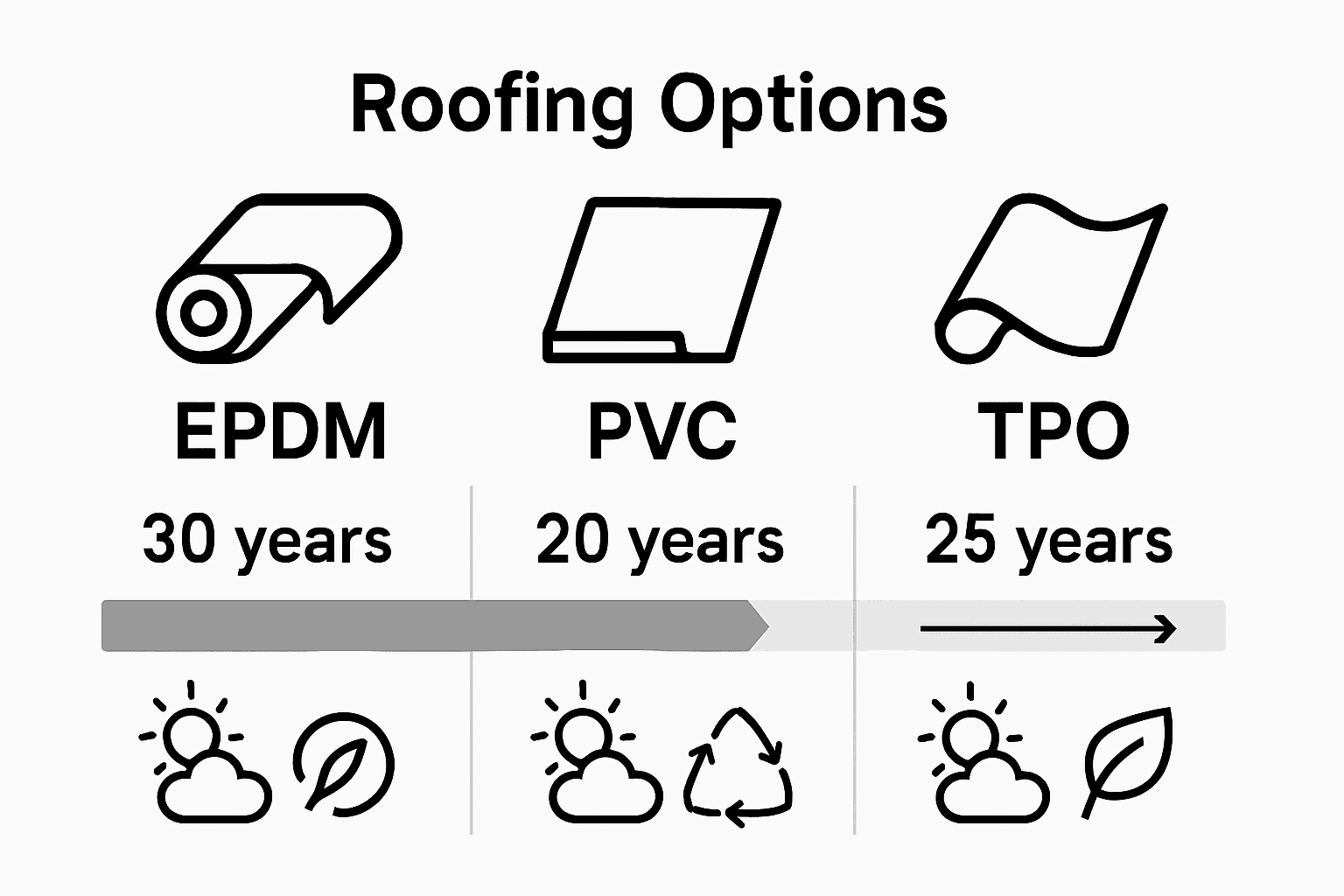
EPDM roofing systems offer a compelling environmental advantage, presenting a lower Global Warming Potential compared to alternative materials like PVC, TPO, and asphalt-based roofing. This ecological consideration becomes increasingly important for environmentally conscious property owners seeking sustainable building solutions. The material’s lower carbon footprint, combined with its long service life and potential for recycling, positions EPDM as a responsible choice for those prioritizing both performance and environmental impact.
Here’s how EPDM compares to other common roofing materials:
| Roofing Material | Typical Lifespan | Weather Resistance | Environmental Impact |
|---|---|---|---|
| EPDM | 30+ years | Excellent in all climates | Lower carbon footprint |
| PVC | 15–20 years | Good, but UV sensitive | Higher Global Warming Potential |
| TPO | 15–25 years | Good, moderate UV resistance | Moderate, some recycling options |
| Asphalt-based | 10–20 years | Moderate, prone to cracking | Higher waste and emissions |
Pro Tip for Material Selection: Research your local climate conditions and consult professional roofing contractors to determine which roofing material best matches your specific environmental and structural requirements.
Protect Your Home with Expert EPDM Roofing Solutions
Understanding the importance of EPDM roof longevity and the challenges posed by temperature extremes, chemical exposure, and installation quality is the first step toward preserving your investment. If you want to avoid costly repairs and ensure your roof performs for decades, trust only skilled professionals who specialize in long-lasting EPDM roofing systems. At Liberty Roofworks, we focus on precision installation, thorough maintenance, and expert repairs to help your roof withstand Charlotte’s climate and protect your home.
Don’t let minor issues turn into expensive problems. Explore our comprehensive EPDM Roofing and Repair services and let our experienced team deliver the durability and weather resistance your roof deserves. Ready to safeguard your property against future damage? Contact us today at Liberty Roofworks for a free consultation and experience the difference our quality workmanship can make in extending your EPDM roof’s lifespan.
Frequently Asked Questions
How long does EPDM roofing typically last?
EPDM roofing systems demonstrate exceptional longevity, often exceeding 30 years of service life when properly maintained.
What maintenance is required for EPDM roofing?
Homeowners should conduct regular inspections, ensure proper drainage, avoid exposure to petroleum products, and promptly address any signs of wear or damage to maintain EPDM roofing effectively.
How does EPDM roofing compare to other roofing materials?
EPDM offers excellent weather resistance and longevity compared to materials like PVC and asphalt-based roofing, which typically have shorter lifespans and may be more susceptible to UV radiation and cracking.
What factors can impact the longevity of an EPDM roof?
Key factors include installation quality, exposure to chemicals, temperature extremes, and maintenance frequency. Proper installation and regular care can significantly extend the roof’s lifespan.