After a major storm, one in three American homes faces preventable roof and foundation issues linked to poor gutter performance. For property owners in Charlotte, understanding how gutters work is crucial for protecting your investment and ensuring your building stands strong through North Carolina’s ever-changing weather. This guide reveals how the right gutter system preserves roof longevity and keeps your home or business efficient far beyond the next storm.
Table of Contents
- Understanding Gutters And Their Purpose
- Types Of Gutters And Key Differences
- How Gutters Impact Roof Longevity
- Water Management During Storms
- Common Gutter Problems And Prevention
- Maintenance Requirements For Charlotte, NC Homes
Key Takeaways
| Point | Details |
|---|---|
| Gutter Purpose | Gutters are vital for managing rainwater and preventing structural damage to homes. Proper installation and maintenance are essential for effective water redirection. |
| Material Selection | Homeowners should choose gutter materials that fit their climate and architectural style. Options like seamless gutters reduce leak potential. |
| Stormwater Management | Effective stormwater management requires proactive strategies, especially before heavy rain events. Implementing solutions like proper gutter design prevents flooding and erosion. |
| Regular Maintenance | Homeowners should schedule inspections and cleanings at least twice a year, especially in preparation for storm seasons, to avoid costly repairs. |
Understanding Gutters and Their Purpose
Gutters are essential water management systems that protect homes from potential structural damage by channeling rainwater away from exterior walls and foundations. These critical components of a building’s drainage system work by collecting water runoff from roofs and directing it safely away from the property through a network of horizontal channels and downspouts.
The primary function of gutters extends far beyond simple water redirection. They serve as a crucial defense mechanism against moisture-related problems such as foundation erosion, basement flooding, and landscape degradation. By controlling water flow, gutters prevent thousands of gallons of rainwater from pooling around a home’s perimeter, which can lead to significant structural issues like mold growth, wood rot, and foundation cracks. Proper gutter design requires careful consideration of slope, size, and placement to ensure maximum effectiveness.
Modern gutters come in various materials and styles, including aluminum, vinyl, steel, and copper, each offering unique benefits for different architectural needs and climatic conditions. Homeowners should select gutters that not only complement their home’s aesthetic but also provide robust protection against water damage. Seamless gutters, for instance, reduce leak potential by minimizing joint connections, while gutter guards can help prevent debris accumulation and reduce maintenance requirements.
Here’s a comparison of common gutter materials to aid selection:
| Material | Durability | Maintenance Needs | Common Climate Use |
|---|---|---|---|
| Aluminum | Moderate lifespan | Occasional cleaning | Moderate rain, mild winters |
| Vinyl | Short to moderate | Low, may crack in sun | Mild climates |
| Steel | High (if galvanized) | May rust, needs painting | Severe weather, heavy rain |
| Copper | Extremely durable | Very low, resists corrosion | All climates, premium homes |
Pro tip: Inspect your gutters at least twice a year, particularly after storm seasons in Charlotte, to ensure they remain clear of debris and properly aligned for optimal water management.
Types of Gutters and Key Differences
Gutters represent a critical home protection system with multiple design variations tailored to different architectural needs and environmental conditions. Various gutter types exist, including valley gutters, parapet gutters, and eaves gutters, each engineered to address specific water management challenges for residential and commercial structures.
The material composition of gutters plays a significant role in their performance and longevity. Common materials include aluminum, vinyl, steel, and copper, with each offering unique characteristics. Copper gutters stand out for their low maintenance and exceptional corrosion resistance, making them an attractive option for homeowners seeking durability. Aluminum gutters remain popular due to their lightweight nature and affordability, while steel gutters provide robust strength for regions experiencing extreme weather conditions.
Gutter configurations can be broadly categorized into two primary styles: sectional and seamless. Sectional gutters are constructed from multiple segments joined together, which can increase the potential for leaks and require more maintenance. Seamless gutters, alternatively, are custom-fabricated on-site to fit a specific roofline, dramatically reducing potential weak points and providing superior water management. Homeowners should consider factors like local rainfall intensity, roof pitch, and architectural design when selecting the most appropriate gutter system for their property.
Pro tip: Consult with a professional roofing specialist to assess your specific home’s water drainage needs and determine the most effective gutter configuration for optimal protection.
How Gutters Impact Roof Longevity
Gutters play a critical role in protecting roofing systems by managing water flow and preventing moisture-related damage. Gutters protect the roof and underlying building structures by channeling rainwater away from critical areas, effectively mitigating potential long-term structural challenges that could compromise roof integrity and building safety.
When gutters function improperly, they create significant risks for roof deterioration. Leaking or malfunctioning gutters can cause water to accumulate near roof edges and foundations, leading to multiple destructive consequences. These issues include wood rot, mold growth, foundation weakening, and accelerated roofing material degradation. Excess moisture trapped by ineffective gutter systems can penetrate roofing materials, causing gradual but substantial damage that undermines the entire roofing structure’s durability and performance.
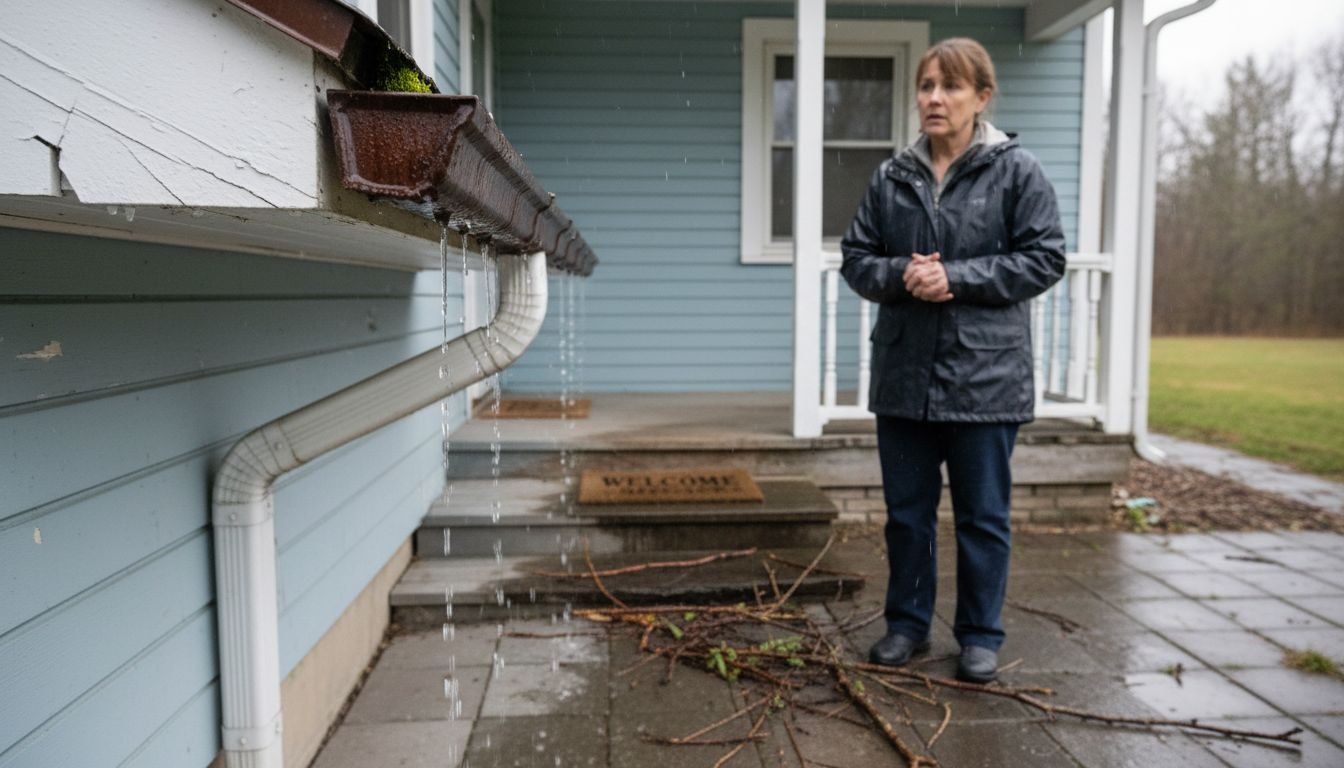
Regular gutter maintenance is essential for preserving roof longevity. Homeowners should implement proactive strategies such as routine cleaning, debris removal, and professional inspections to ensure optimal gutter performance. Proper gutter alignment, appropriate slope, and consistent water redirection can prevent water-related damage, extend roofing material lifespan, and protect the overall structural integrity of the home. By investing time and resources in comprehensive gutter management, property owners can significantly reduce the risk of expensive repairs and premature roof replacement.
Pro tip: Schedule professional gutter inspections at least twice annually, particularly after severe weather seasons in Charlotte, to identify and address potential water management issues before they escalate.
Water Management During Storms
Storm events present significant challenges for residential water management systems, particularly in regions prone to intense rainfall. Stormwater management involves controlling runoff from heavy rains to reduce flooding and potential water pollution, making gutters a critical first line of defense for protecting homes during extreme weather conditions.
Traditional drainage infrastructure can quickly become overwhelmed during severe storms, creating potential risks for property damage. Homeowners need comprehensive strategies that go beyond basic water redirection. Green infrastructure solutions offer innovative approaches to managing stormwater by mimicking natural water absorption techniques, such as implementing rain gardens, permeable surfaces, and strategically designed gutter systems that can handle high-volume water flow more effectively than conventional methods.
Effective storm water management requires a multi-layered approach that combines proper gutter design, landscape planning, and proactive maintenance. Homeowners should focus on ensuring clear gutter pathways, maintaining appropriate slope and alignment, and creating multiple water diversion points to prevent water accumulation near foundations and critical structural areas. By understanding the complex dynamics of water flow during storms, property owners can implement targeted solutions that protect their homes from potential water-related damage and erosion.
Pro tip: Conduct a comprehensive gutter and drainage assessment before storm season in Charlotte, identifying potential weak points and implementing preventative maintenance to minimize water-related risks.
Common Gutter Problems and Prevention
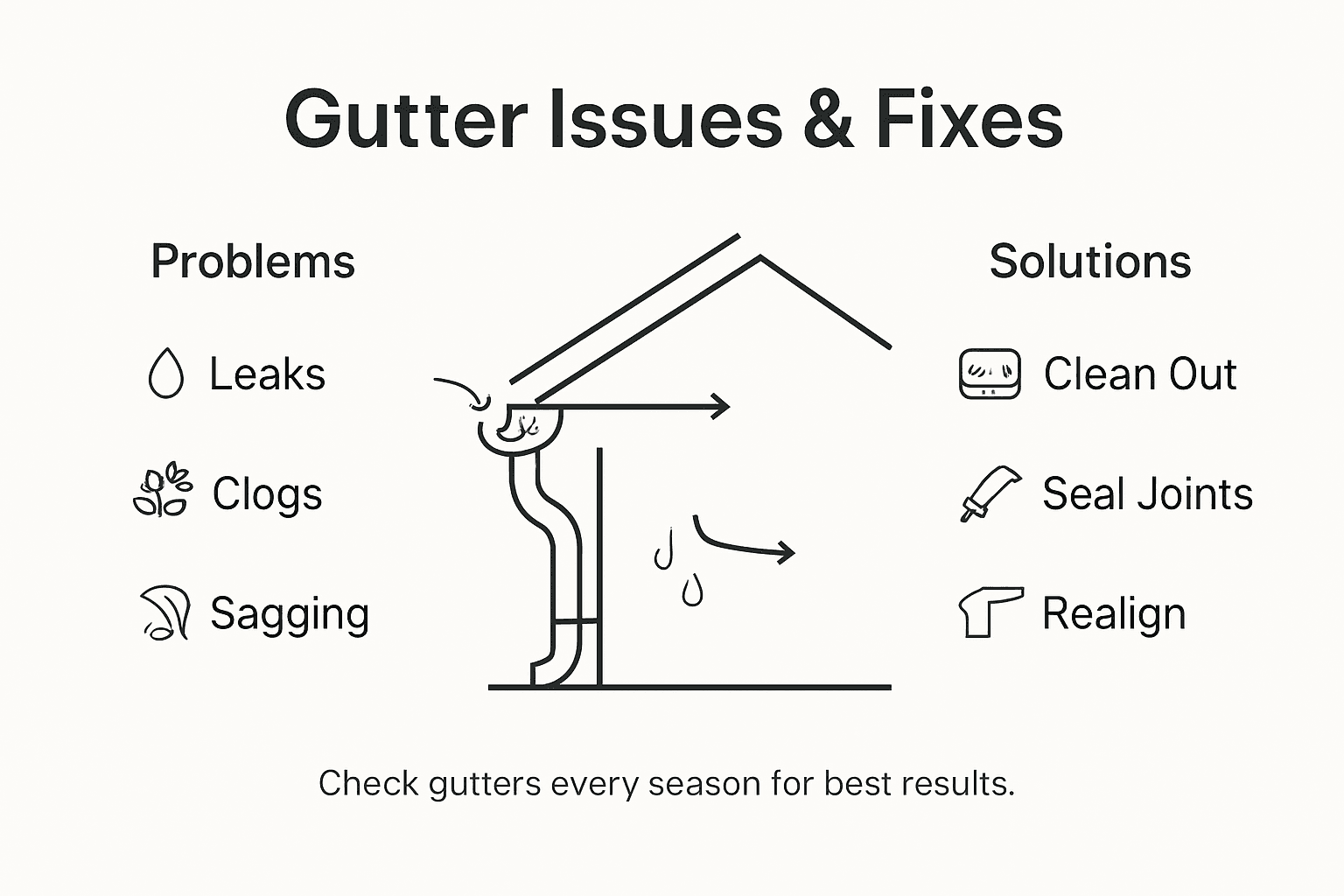
Homeowners face numerous challenges with gutter systems that can compromise their home’s structural integrity. Common gutter issues include rust, cracks, leaks, improper slope, and blockages caused by debris, each presenting unique risks to the building’s foundation and overall water management infrastructure.
Leaking gutters can cause significant structural damage through failed solder joints, eroded lining, and material deterioration, which often result in wood rot and moisture intrusion. Different materials exhibit varying vulnerability levels: aluminum gutters might develop corrosion, while copper gutters offer superior durability. Identifying these problems early requires regular visual inspections, looking for signs such as water stains on exterior walls, pooling water near foundation areas, and visible gutter sagging or separation from roofline.
Preventative maintenance is key to extending gutter system longevity and protecting your home. Homeowners should implement a comprehensive strategy that includes seasonal cleaning, debris removal, checking for proper alignment, and addressing minor damages before they escalate. Professional gutter maintenance services can provide thorough assessments, identifying potential weak points and recommending targeted repairs that prevent costly long-term structural damage.
Pro tip: Schedule a professional gutter inspection before and after Charlotte’s storm season to catch potential issues early and prevent extensive water damage.
Maintenance Requirements for Charlotte, NC Homes
North Carolina’s building codes mandate specific requirements for gutter maintenance and construction, establishing critical guidelines for homeowners in Charlotte to protect their properties from water-related damage. These regulations ensure that gutter systems are designed to be watertight, compatible with local environmental conditions, and capable of effectively managing rainwater runoff.
Maintenance for gutters in Charlotte requires a comprehensive approach that addresses the region’s unique climate challenges. Homeowners should focus on several key maintenance strategies, including ensuring gutters have adequate sizing and proper slope to prevent standing water, clearing debris that can cause blockages, and verifying that downspouts direct water at least 4-6 feet away from the home’s foundation. Regular inspections become critical in identifying potential issues such as rust, developing holes, or emerging leaks that could compromise the gutter system’s effectiveness.
The specific maintenance requirements for Charlotte homes involve seasonal considerations unique to the region’s weather patterns. During fall, homeowners should conduct thorough gutter cleanings to remove leaves and debris that accumulate from surrounding trees. Spring inspections are equally important, focusing on assessing potential damage from winter storms and ensuring the gutter system remains structurally sound. Professional gutter maintenance services can provide detailed assessments, helping homeowners implement proactive strategies that prevent costly water damage and extend the longevity of their roofing and drainage systems.
The table below summarizes key maintenance priorities for gutter systems in Charlotte, NC:
| Season | Primary Task | What to Check For | Reason for Action |
|---|---|---|---|
| Fall | Remove leaves and debris | Clogged gutters, blockages | Heavy leaf drop from trees |
| Winter | Inspect for ice damage | Cracks, gutter alignment | Damage from freeze-thaw cycles |
| Spring | Assess storm impact | Loose fasteners, leaks | Post-storm or hurricane issues |
| Summer | Check water flow | Proper slope, full drainage | Prepare for intense rainstorms |
Pro tip: Schedule professional gutter inspections twice annually in Charlotte, specifically targeting the periods before and after hurricane and storm seasons to ensure optimal water management and prevent potential structural damage.
Protect Your Roof and Home with Expert Gutter and Roofing Solutions
The article highlights critical challenges homeowners face with gutters impacting roof longevity and home safety. Improper water management, clogged or damaged gutters, and poor alignment can lead to serious issues like wood rot, mold growth, and foundation damage. These problems not only threaten your roof’s durability but also escalate costly repairs if left unaddressed. Understanding the role of gutters in effectively channeling rainwater is essential for preventing deterioration and maintaining a safe, secure home environment.
At Liberty Roofworks, we understand these pain points and prioritize comprehensive roofing and gutter care for homes across Charlotte, NC. Whether you need a minor roof repair after storm damage or a complete new roof installation, our expert team goes the extra mile to protect your investment. We offer reliable solutions including residential roof repair and replacements, storm damage repair, and professional maintenance to ensure your gutters and roof work together seamlessly. Don�27t wait for leaks or leaks-related damage to compromise your home. Visit Liberty Roofworks and discover how our services keep your gutters flowing correctly and your roof performing at its best. Let us help you extend your roof�27s life and protect your home from water damage today.
Frequently Asked Questions
What role do gutters play in roofing longevity?
Gutters are essential in managing water flow and preventing moisture accumulation, which can lead to roofing material degradation and structural damage. Properly functioning gutters channel rainwater away from the roof and building, helping to preserve the integrity of the roofing system.
How can improper gutter maintenance affect my home?
Improperly maintained gutters can lead to water pooling near the roof edges and foundations, resulting in issues such as wood rot, mold growth, and foundation weakening. These problems can ultimately compromise the safety and longevity of your home.
What are the common materials used for gutters, and how do they impact performance?
Common gutter materials include aluminum, vinyl, steel, and copper. Each material has unique characteristics affecting durability, maintenance needs, and resistance to corrosion. For instance, copper gutters offer low maintenance and high durability, while aluminum gutters are lightweight and cost-effective.
How often should I inspect my gutters to ensure they are functioning properly?
It’s recommended to inspect your gutters at least twice a year, especially after storm seasons. Regular inspections allow homeowners to address potential issues early, such as blockages, leaks, or misalignment, which can significantly affect water management and overall home safety.