Standing in your yard after a sudden summer storm, you notice missing shingles and wonder what all those roofing terms mean when the contractor arrives. Roofing conversations are packed with technical language that can leave Charlotte homeowners feeling uncertain and frustrated. Breaking down critical roofing vocabulary unlocks clarity, helping you make smart choices before costly repairs or replacements.
Table of Contents
- What Roofing Jargon Really Means
- Types of Roofing Materials and Systems
- Key Components and Features of Your Roof
- How Roofing Terms Affect Repairs and Replacements
- Risks, Costs, and Mistakes to Avoid
Key Takeaways
| Point | Details |
|---|---|
| Understand Roofing Terminology | Familiarize yourself with key roofing terms like “underlayment” and “flashing” to effectively communicate with contractors. |
| Choose the Right Materials | Select roofing materials based on your home’s specific requirements, considering factors like climate and budget for long-term performance. |
| Regular Inspections Are Crucial | Schedule annual roof inspections to catch potential issues early, ensuring your roof remains in optimal condition. |
| Avoid Common Mistakes | Be aware of risks, such as neglecting permits or DIY repairs, which can lead to costly mistakes and repairs. |
What Roofing Jargon Really Means
Understanding roofing terminology helps homeowners navigate complex repair and replacement conversations with confidence. While roofing professionals often speak a language that sounds like technical gibberish, breaking down these terms can save you significant time and money during home maintenance projects.
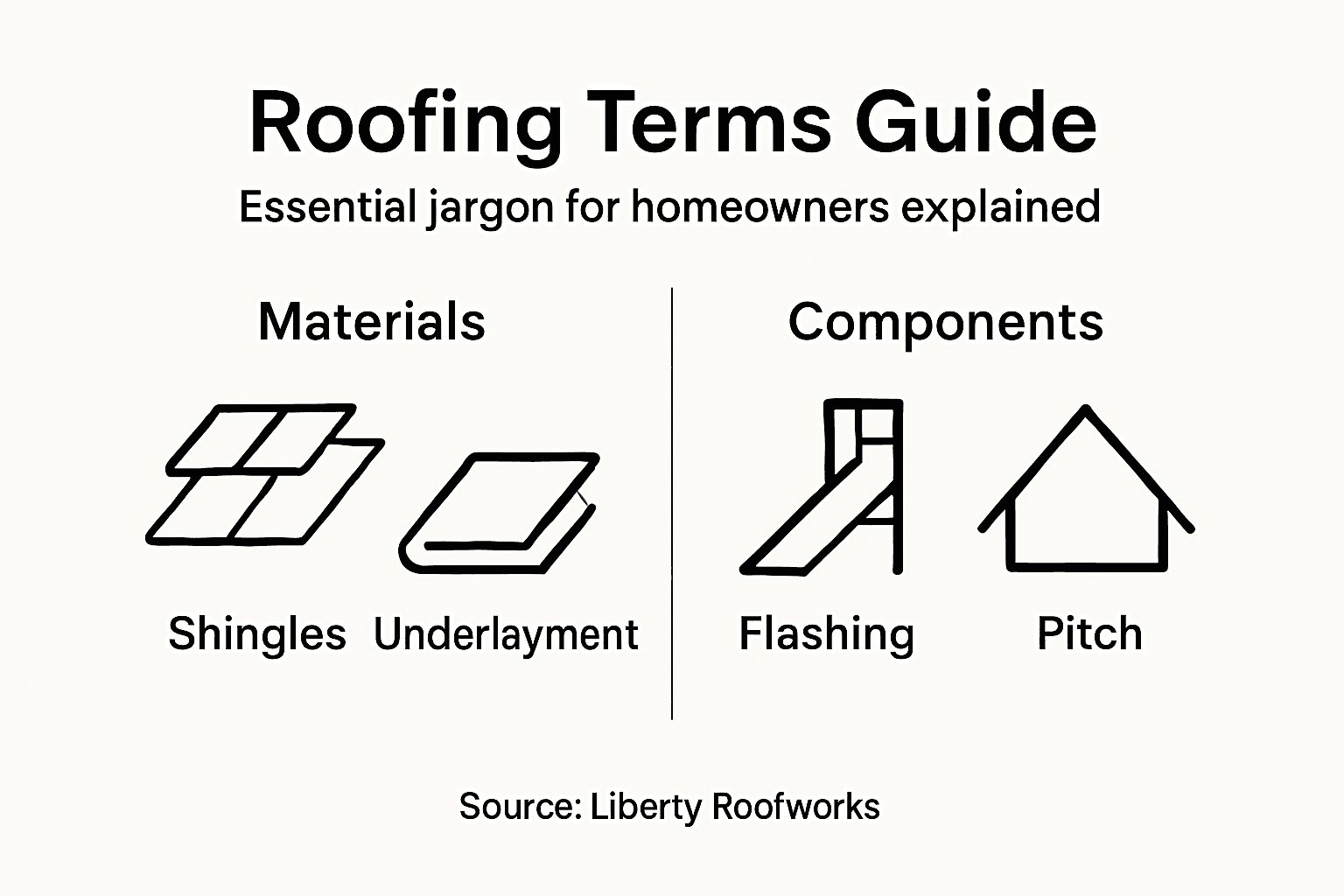
Roofing jargon encompasses a wide range of technical vocabulary describing materials, structural components, and installation techniques. For instance, terms like “underlayment,” “flashing,” and “pitch” are critical to understanding your roof’s overall health and performance. Roof consultant professionals play a crucial role in helping homeowners decode these complex technical descriptions and make informed decisions about their roofing systems.
Here are some common roofing terms every Charlotte homeowner should understand:
- Underlayment: The water-resistant barrier installed directly on the roof deck before shingles
- Flashing: Thin metal strips used to prevent water penetration around roof joints and edges
- Pitch: The slope or angle of a roof, which determines water drainage efficiency
- Decking: The wooden base layer that provides structural support for roofing materials
- Eaves: The lower edges of the roof that extend beyond the exterior walls
Understanding these terms isn’t just about learning vocabulary – it’s about protecting your home’s most critical protective barrier. Architectural roofing details reveal how each component works together to shield your property from environmental damage.
Pro tip: Ask your roofing contractor to explain any unfamiliar terms during your consultation to ensure you fully understand the proposed work and its implications.
Types of Roofing Materials and Systems
Homeowners in Charlotte have multiple roofing material options, each with unique characteristics, durability, and cost considerations. Commercially available roofing materials offer diverse solutions for different architectural styles and environmental challenges, making selection a critical decision for protecting your home.
The most common roofing materials in the United States include:
- Asphalt Shingles: Most popular, affordable, and easy to install
- Metal Roofing: Durable, long-lasting, and energy-efficient
- Wood Shingles: Natural aesthetic, suitable for specific architectural styles
- Slate Tiles: Extremely long-lasting and elegant
- Synthetic Membranes: Ideal for flat or low-slope roofs
For low-slope roofing applications, synthetic rubber membrane systems provide excellent waterproofing solutions. These systems come in three primary installation types:
- Fully adhered installations
- Mechanically attached configurations
- Ballasted application methods
Each roofing material and system offers distinct advantages, so understanding your home’s specific requirements is crucial. Factors like climate, budget, architectural design, and long-term maintenance should guide your selection process.
Here’s a comparison of popular roofing materials, highlighting key selection factors:
| Material Type | Average Lifespan | Maintenance Needs | Cost Estimate (per sq ft) |
|---|---|---|---|
| Asphalt Shingles | 15-30 years | Low; periodic cleaning | $1.50–$4.50 |
| Metal Roofing | 40-70 years | Low; rust prevention | $5.00–$14.00 |
| Wood Shingles | 20-40 years | Moderate; sealing | $6.00–$10.00 |
| Slate Tiles | 50–100+ years | Low; check for cracks | $10.00–$20.00 |
| Synthetic Membrane | 20-35 years | Low; seam inspection | $4.00–$8.00 |
Pro tip: Consult with a professional roofing contractor to determine the most suitable material for your specific home and local environmental conditions.
Key Components and Features of Your Roof
Understanding the key components of your roof is essential for maintaining its integrity and protecting your home from environmental challenges. Roof components form a complex system designed to shield your property from weather, structural damage, and performance issues.
The primary components of a residential roof include:
- Decking: The foundational wooden layer providing structural support
- Underlayment: A water-resistant barrier installed beneath surface materials
- Shingles/Surface Materials: The exterior protective layer
- Flashing: Metal strips preventing water penetration at critical joints
- Gutters: Drainage system that directs water away from your home’s foundation
Residential construction standards specify precise requirements for each roof component. These standards ensure that roofing systems can withstand local environmental conditions, including wind, rain, snow, and temperature variations.
Roof features like pitch and shape also play crucial roles in performance. The roof’s angle determines water and snow runoff, while its design impacts overall home aesthetics and energy efficiency. Different architectural styles require specific roofing configurations to maximize protection and functionality.
Use this table to quickly understand the main roles of each roof component:
| Roof Component | Main Function | What to Watch For |
|---|---|---|
| Decking | Structural support base | Rot, sagging, insect damage |
| Underlayment | Water-resistance layer | Tears, moisture buildup |
| Shingles/Surface | Weather protection | Cracks, loss of granules |
| Flashing | Prevent water intrusion | Rust, separation, leaks |
| Gutters | Drain water from roof | Clogs, improper pitch |
Pro tip: Schedule annual roof inspections to identify and address potential component weaknesses before they develop into costly problems.
How Roofing Terms Affect Repairs and Replacements
Roofing terminology isn’t just technical jargon – it’s a critical language that directly impacts the success and cost of repair and replacement projects. Roof consultants use specialized terminology to accurately diagnose issues, recommend appropriate solutions, and ensure homeowners make informed decisions about their roofing systems.
Key roofing terms that significantly influence repair and replacement strategies include:
- Deck Condition: Determines the foundation’s structural integrity
- Membrane Integrity: Indicates water resistance and potential leak points
- Flashing Deterioration: Signals potential water infiltration risks
- Underlayment Quality: Impacts overall roof performance and longevity
- Surface Material Wear: Determines the extent of potential replacement needs
Building code standards require precise understanding of these technical terms. Misinterpreting roofing terminology can lead to inappropriate repair methods, potentially voiding warranties or creating additional damage.
Professional roofing contractors use these specific terms to communicate the exact condition of your roof, helping you understand whether you need a minor repair or a complete replacement. Knowing these terms empowers homeowners to ask informed questions and make confident decisions about their roofing investments.
Pro tip: Ask your roofing contractor to explain each technical term they use, ensuring you fully understand the proposed repair or replacement strategy.
Risks, Costs, and Mistakes to Avoid
Homeowners often underestimate the financial and structural risks associated with improper roofing decisions. Roofing standards help mitigate potential problems by providing clear guidelines for material selection, installation, and maintenance.
Common mistakes that can lead to significant expenses include:
- Ignoring Permit Requirements: Can result in legal and financial penalties
- Choosing Incorrect Materials: Leads to premature roof failure
- Skipping Professional Inspections: Allows hidden damage to worsen
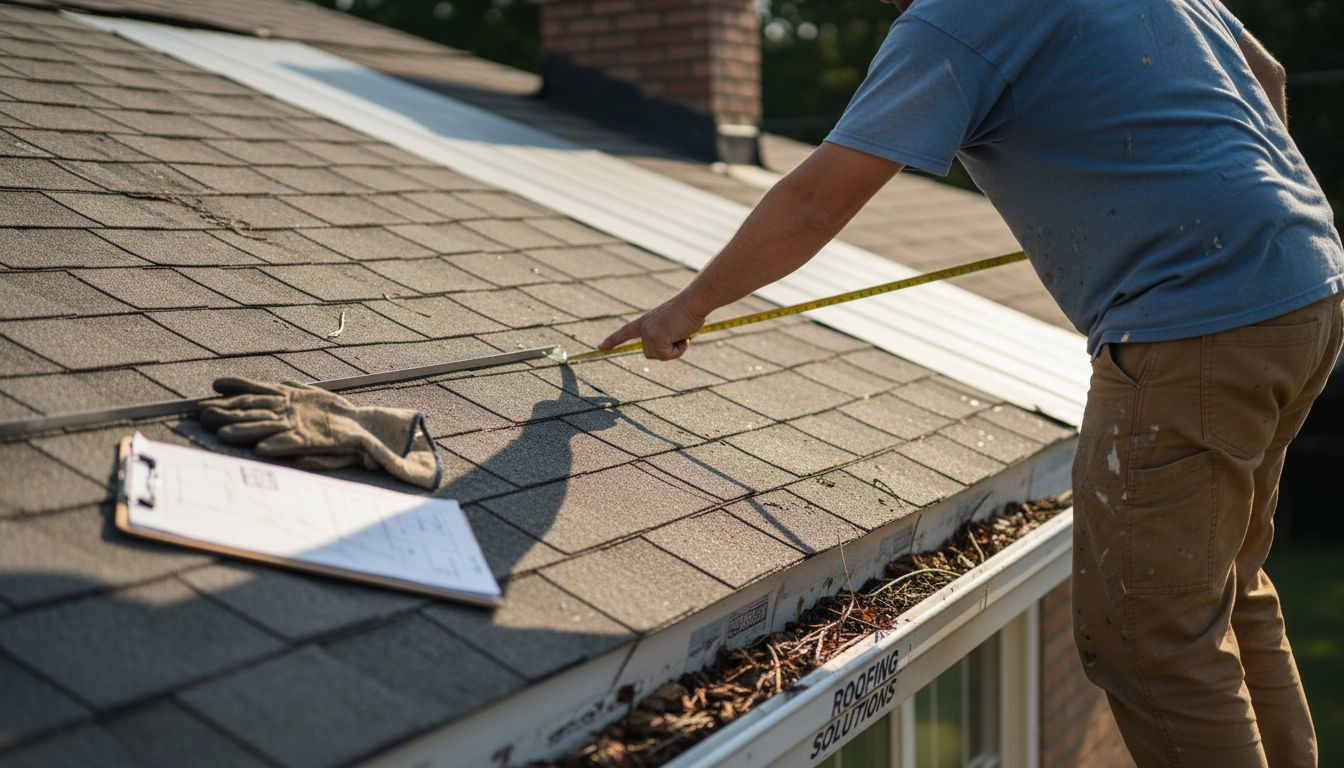
- DIY Repairs Without Expertise: Often causes more damage than it fixes
- Neglecting Regular Maintenance: Drastically reduces roof lifespan
Local roofing guidelines emphasize the importance of understanding potential financial risks. Homeowners can face unexpected costs ranging from $500 for minor repairs to $15,000 for complete roof replacements if issues are not addressed promptly and professionally.
Understanding the financial implications of roofing decisions requires careful research and professional consultation. Each roofing choice impacts your home’s protection, energy efficiency, and overall value. Professional contractors can help you navigate these complex decisions and avoid costly mistakes.
Pro tip: Always get multiple quotes and ask detailed questions about potential long-term costs before committing to any roofing project.
Master Your Roofing Decisions with Liberty Roofworks
Understanding roofing jargon such as underlayment, flashing, and pitch can feel overwhelming but is crucial to protecting your home from costly repairs or premature replacements. If you want to avoid common mistakes caused by misunderstandings and ensure your roofing system performs optimally, partnering with experts who speak your language is essential. Liberty Roofworks offers professional guidance on everything from residential roof repair to full roof replacements, making sure you know exactly what each term means and how it impacts your home.
Don’t leave your roof’s health to chance. Whether you need help with storm damage repair, asphalt shingle installation, or commercial roofing services, Liberty Roofworks is your trusted choice in Charlotte, NC. Discover how our team can simplify roofing for you by visiting our homepage at Liberty Roofworks. Are you ready to get clear answers and quality results for your roofing project? Contact us today and get the confident roofing solutions your home deserves.
Frequently Asked Questions
What is roofing underlayment and why is it important?
Underlayment is a water-resistant barrier installed directly on the roof deck before shingles. It acts as a secondary layer of protection, preventing water infiltration and adding an extra line of defense against leaks.
How do I choose the right roofing material for my home?
Choosing the right roofing material depends on factors such as your budget, the local climate, and the architectural style of your home. Common options include asphalt shingles, metal roofing, wood shingles, slate tiles, and synthetic membranes, each with varying lifespans and maintenance needs.
What role does flashing play in a roofing system?
Flashing consists of thin metal strips used to prevent water penetration around joints, edges, and projections on the roof. Proper installation of flashing is crucial in minimizing leaks and extending the roof’s lifespan.
What should I look for during a roof inspection?
During a roof inspection, check for signs of wear such as cracked shingles, rusted flashing, or sagging decking. Additionally, inspect the underlayment for tears and ensure the gutters are free of clogs to maintain proper drainage.
Recommended