Most American homeowners are surprised to learn that a metal roof in Charlotte may last up to 70 years, more than double the typical lifespan of asphalt shingles. With frequent summer storms and unpredictable North Carolina weather, making the right roofing choice goes beyond curb appeal. This comparison helps you weigh the long-term durability and value of both asphalt and metal options, giving you practical facts to consider for your next roof replacement.
Table of Contents
- Defining Asphalt And Metal Roofs
- Key Types And Material Options Available
- How Each Roof Performs In North Carolina
- Longevity, Maintenance, And Energy Impact
- Costs, Value, And Common Installation Mistakes
Key Takeaways
| Point | Details |
|---|---|
| Roof Lifespan | Metal roofing lasts significantly longer (40-70 years) than asphalt shingles (15-30 years), impacting long-term value. |
| Initial Costs | Asphalt shingles are more affordable upfront, but metal roofs may offer better long-term savings due to durability and energy efficiency. |
| Maintenance Needs | Asphalt roofs require more frequent inspections and repairs compared to the minimal upkeep of metal roofs. |
| Energy Efficiency | Metal roofs reflect solar heat better, potentially reducing cooling costs by 10-25%, while asphalt can be improved with coatings but remains less efficient. |
Defining Asphalt And Metal Roofs
Roofing materials form the protective shield for homes in Charlotte, with asphalt and metal representing two prominent options homeowners frequently consider. Metal roofing represents a system utilizing metal pieces or tiles for roof covering, valued for its durability and long-term performance. These roofing systems differ dramatically in composition, installation, and long-term characteristics.
Asphalt roofing typically consists of fiberglass or organic base materials saturated with petroleum-based asphalt compounds, creating flexible shingles that can be easily installed on residential structures. Metal roofing, by contrast, utilizes aluminum, steel, copper, or zinc panels designed to interlock and provide superior weather protection. The manufacturing processes for these materials reflect their distinct structural approaches: asphalt shingles are produced through layered material saturation, while metal roofing involves precision engineering of interlocking panels.
Both roofing types offer unique advantages for Charlotte homeowners. Asphalt shingles provide cost-effectiveness and aesthetic versatility, coming in numerous colors and styles. Metal roofs deliver exceptional longevity, often lasting 40-70 years compared to asphalt’s typical 15-30 year lifespan. The choice between these materials depends on factors like budget, architectural style, and specific performance requirements for the local climate.
Here is a summary comparing asphalt and metal roofing for Charlotte homeowners:
| Aspect | Asphalt Roofing | Metal Roofing |
|---|---|---|
| Typical Lifespan | 15-30 years | 40-70 years |
| Initial Cost | Lower upfront investment | Higher upfront investment |
| Energy Efficiency | Can be improved; moderate | Superior heat reflection |
| Maintenance Needs | More frequent inspections | Occasional minor upkeep |
| Resilience to Wind | Up to 130 mph with premium | Often above 150 mph rated |
| Aesthetic Options | Wide color/style variety | Modern and traditional looks |
| Common Materials | Fiberglass, organic base | Aluminum, steel, copper |
Pro Tip: Research Local Performance: Before selecting a roofing material, consult with Charlotte roofing professionals who understand how different materials perform in the specific microclimates and weather patterns of your neighborhood.
Key Types And Material Options Available
Roofing materials present homeowners with diverse options, each offering unique characteristics tailored to specific architectural and environmental needs. Asphalt roofing systems encompass several distinct types, ranging from traditional shingles to more advanced modified solutions, providing flexibility in design and performance.
For asphalt roofing, three primary categories dominate the market. Three-tab shingles represent the most economical option, featuring a flat, uniform appearance with single-layer construction. Architectural shingles, also known as dimensional shingles, offer a more textured, dimensional look with enhanced durability and typically longer warranties. Premium architectural shingles represent the highest-end asphalt option, providing superior aesthetic appeal and maximum weather resistance.
Commercially available roofing materials extend beyond asphalt to include multiple metal configurations, each with distinct advantages. Metal roofing options range from standing seam panels to metal shingles that can mimic traditional tile or slate appearances. These include:
- Standing seam metal panels
- Corrugated metal sheets
- Metal shingles
- Stone-coated steel tiles
- Copper and aluminum specialty panels
The selection between these options depends on factors like budget, architectural style, local climate conditions, and personal aesthetic preferences. Charlotte homeowners should consider long-term performance, initial installation costs, and maintenance requirements when evaluating these roofing material choices.
Pro Tip: Material Matching: Consult a professional roofing contractor who can assess your specific home’s structural characteristics, local weather patterns, and architectural style to recommend the most suitable roofing material for your unique needs.
How Each Roof Performs In North Carolina
North Carolina’s diverse climate presents unique challenges for roofing materials, demanding exceptional performance across varied weather conditions. Wind resistance becomes a critical factor for roofing systems in this storm-prone region, with specific testing standards governing material durability, particularly during hurricane season and intense thunderstorms.
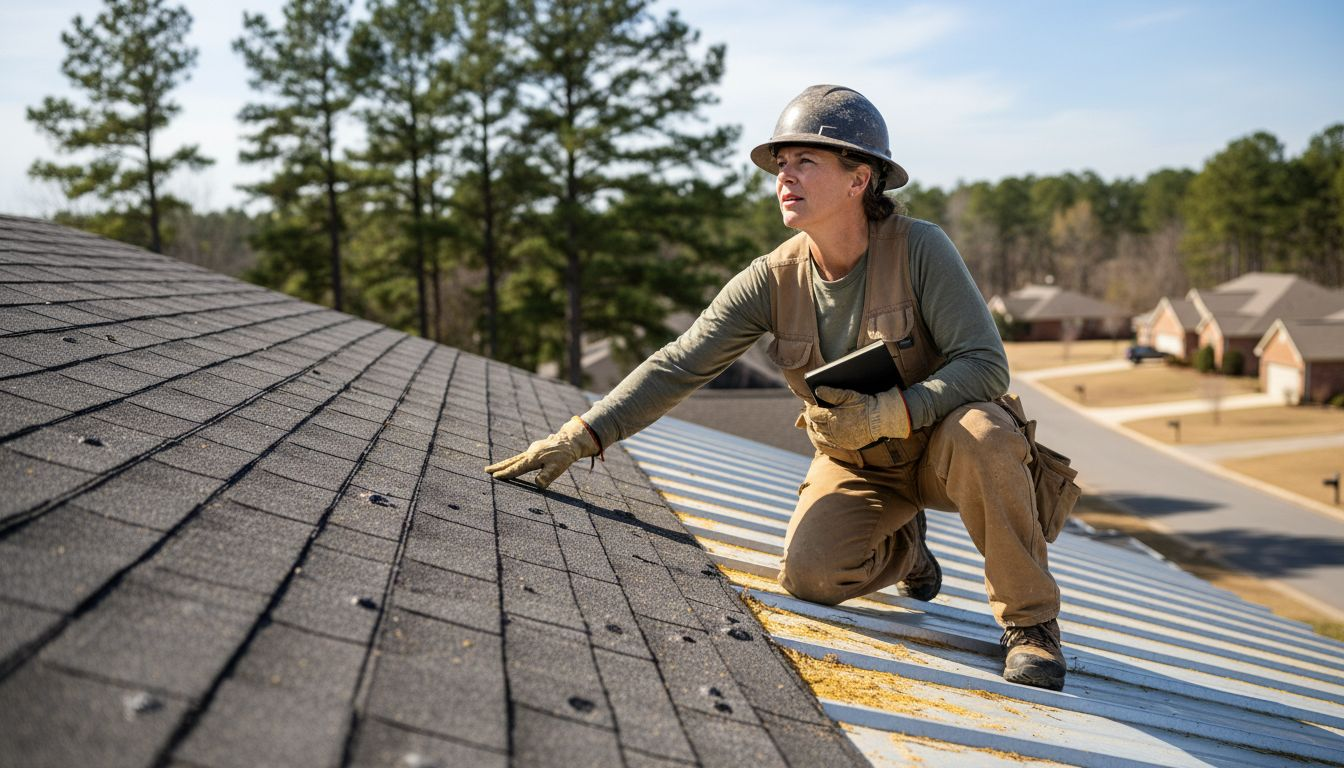
Asphalt shingles in North Carolina typically demonstrate moderate performance, with architectural and premium variants offering better wind resistance compared to traditional three-tab designs. These shingles can withstand winds up to 130 miles per hour when properly installed, making them suitable for most residential applications in the state. Metal roofing, by contrast, provides superior wind resistance, often rated for winds exceeding 150 miles per hour and demonstrating exceptional resilience during severe weather events.
Energy efficiency requirements play a significant role in roofing performance across North Carolina’s mixed-humid climate, with both asphalt and metal roofing needing to meet stringent state energy codes. Metal roofs typically provide better thermal performance, reflecting solar radiation and reducing cooling costs during hot Charlotte summers. Asphalt shingles, while less efficient, can be enhanced with reflective coatings to improve their energy performance.
Regional climate factors significantly impact roof longevity in North Carolina. Metal roofs often last 40-70 years, while asphalt shingles average 15-30 years, depending on installation quality and maintenance. Factors like humidity, temperature fluctuations, and occasional severe weather create unique challenges that homeowners must consider when selecting roofing materials.
Pro Tip: Climate Adaptation: Consult local roofing professionals who understand North Carolina’s specific weather patterns and can recommend materials tailored to your home’s exact location and environmental conditions.
Longevity, Maintenance, And Energy Impact
Experimental research from Oak Ridge National Laboratory reveals critical differences in energy performance between metal and asphalt roofing systems, highlighting the complex factors that influence long-term roof efficiency and maintenance requirements. These insights demonstrate how material selection impacts a home’s overall energy performance and durability.
Asphalt shingles typically require more frequent maintenance compared to metal roofs. Detailed analysis from the Asphalt Institute Foundation shows specific aging mechanisms that affect shingle longevity, with factors like UV exposure, temperature fluctuations, and moisture significantly impacting their service life. Most asphalt shingles need inspection every 3-5 years, with potential repairs or partial replacements recommended to maintain optimal performance.
Metal roofing presents a more durable alternative, with minimal maintenance requirements and exceptional long-term performance. These roofs typically feature:
- Resistance to moss and algae growth
- Minimal granular loss
- Enhanced thermal reflectivity
- Lower long-term replacement costs
- Superior energy efficiency
Energy impact represents another critical consideration for Charlotte homeowners. Metal roofs can reduce cooling costs by reflecting solar radiation, potentially decreasing energy expenses by 10-25% during hot summer months. Asphalt shingles, while less efficient, can be improved with reflective coatings that mitigate heat absorption and reduce overall energy consumption.
Pro Tip: Efficiency Investment: Consider consulting an energy auditor who can perform a detailed assessment of your specific roof’s performance and recommend targeted improvements to maximize long-term energy savings and material longevity.
Costs, Value, And Common Installation Mistakes
Comprehensive industry research reveals the critical economic considerations homeowners must evaluate when selecting roofing materials, with initial cost and long-term value representing complex decision-making factors for Charlotte residents. Understanding the nuanced financial implications of asphalt versus metal roofing requires a holistic approach that considers more than just upfront expenses.
Technical manuals from roofing manufacturers highlight the substantial impact of installation quality on overall roof performance. Common installation mistakes can dramatically reduce roof longevity and compromise structural integrity. For asphalt roofs, critical errors include:
- Improper nail placement
- Inadequate ventilation
- Incorrect shingle overlapping
- Failing to address underlying roof deck issues
- Neglecting proper moisture barrier installation
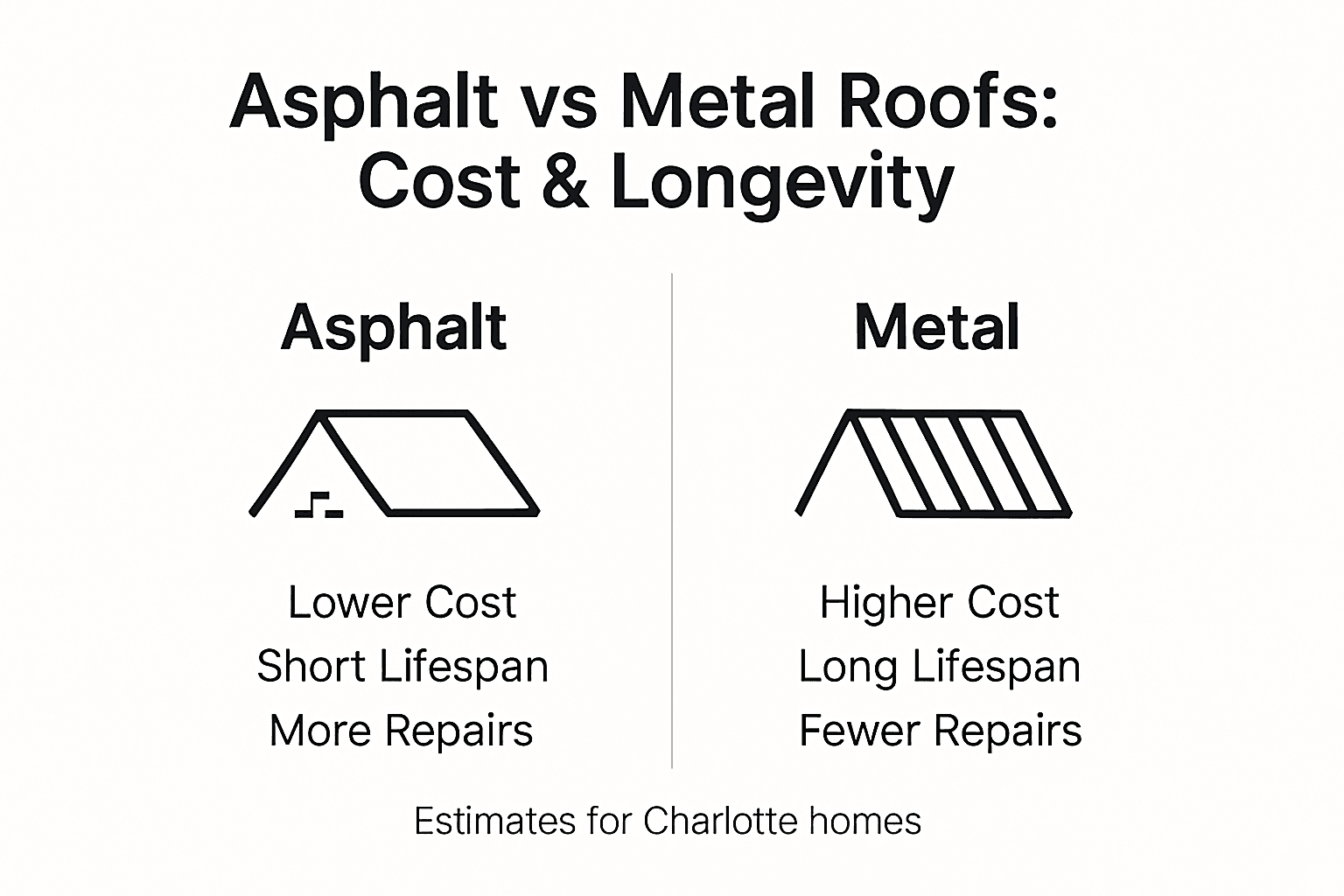
Cost comparisons between asphalt and metal roofing reveal significant differences. Asphalt shingles typically range from $3-$6 per square foot, with installation costs between $5-$10 per square foot. Metal roofing represents a higher initial investment, averaging $7-$14 per square foot, with installation costs ranging from $10-$20 per square foot. However, metal roofs often provide superior long-term value through extended lifespan, reduced maintenance, and potential energy savings.
Consider these factors when evaluating total long-term roof value in North Carolina:
| Cost Factor | Asphalt Shingles | Metal Roofing |
|---|---|---|
| Installation Price | $5-$10 per sq ft | $10-$20 per sq ft |
| Replacement Interval | Every 20 years average | Seldom, 40+ years |
| Energy Savings | 5-10% with coatings | 10-25% with reflectivity |
| Maintenance Frequency | Every 3-5 years | Minimal |
| Repair Expense | Lower, but more frequent | Rare, higher if required |
Pro Tip: Financial Planning: Always request detailed, itemized quotes from professional roofing contractors that break down material costs, labor expenses, and potential long-term savings to make a truly informed decision about your roofing investment.
Discover the Perfect Roof Solution for Your Charlotte Home
Choosing between asphalt and metal roofs can be overwhelming when considering factors like cost, longevity, and energy impact in Charlotte’s unique climate. If you are struggling with finding a roofing material that balances upfront investment with durability and efficiency, Liberty Roofworks has the expertise to guide you. Our team understands critical issues such as wind resistance, maintenance frequency, and energy savings discussed in the article and can help tailor a solution that fits your home and budget.
Whether you need a residential roof replacement or a minor repair to extend your roof’s life, trust Liberty Roofworks to provide transparent estimates and expert service. Don’t wait for minor issues to turn into costly problems—explore our full range of services including Asphalt Shingle Roofing, Residential Roof Repair & Replacements, or a full New Roof Installation. Act now to protect your investment and improve your home’s energy efficiency with roofing solutions made for Charlotte’s climate. Visit Liberty Roofworks to schedule your free consultation today.
Frequently Asked Questions
How long do asphalt roofs last compared to metal roofs?
Asphalt roofs typically last between 15 to 30 years, while metal roofs can last anywhere from 40 to 70 years, making metal a more durable long-term option.
What are the maintenance requirements for asphalt and metal roofing?
Asphalt roofs generally require more frequent inspections and repairs, roughly every 3 to 5 years. In contrast, metal roofs have minimal maintenance needs and can often go longer without the need for significant upkeep.
Are there energy efficiency differences between asphalt and metal roofing?
Yes, metal roofing tends to be more energy efficient, reflecting solar radiation and potentially reducing cooling costs by 10-25%. Asphalt shingles can be improved with reflective coatings but are generally less efficient than metal.
What are the typical costs associated with installing asphalt and metal roofs?
Asphalt shingles typically cost between $3-$6 per square foot for materials, with installation costs ranging from $5-$10 per square foot. Metal roofing usually averages $7-$14 per square foot, with installation costs between $10-$20 per square foot.
Recommended