Over ninety percent of American cities enforce local roofing building codes that directly impact every new roof and major repair. For American homeowners, these regulations help prevent costly mistakes, disaster-related failures, and insurance headaches. Understanding roofing building codes is crucial because the right roof does more than shelter your home. It protects your family, finances, and neighborhood. Knowing what these codes mean and how they work makes every American property owner a smarter, safer homeowner.
Table of Contents
- Defining Roofing Building Codes And Their Purpose
- Major Roofing Code Categories And Distinctions
- Key Requirements For Roofing Materials And Installation
- Permit And Inspection Process For Roof Projects
- Common Code Violations And How To Avoid Them
Key Takeaways
| Point | Details |
|---|---|
| Understanding Building Codes | Roofing building codes establish minimum safety standards to protect homeowners and ensure structural integrity. Compliance is mandatory for safe construction practices. |
| Common Code Violations | Violations can lead to significant financial and legal repercussions. It’s essential to follow local regulations and use approved materials and installation methods. |
| Permit and Inspection Importance | Obtaining proper permits and undergoing inspections are vital for compliance. They help confirm that roofing projects meet safety and structural requirements. |
| Material and Installation Standards | Rigorous requirements exist for material selection and installation techniques. Homeowners should only work with contractors familiar with local and national building codes. |
Defining Roofing Building Codes and Their Purpose
Building codes represent critical legal frameworks designed to establish minimum safety standards for construction projects, including roofing installations. These regulations serve as comprehensive guidelines that protect homeowners, contractors, and communities by ensuring structures meet essential performance and safety requirements. Building codes are regulations governing the design, construction, alteration, and maintenance of structures with a fundamental goal of safeguarding public health and welfare.
At their core, roofing building codes outline specific technical requirements that dictate how roofs must be constructed, repaired, and maintained. These standards cover critical aspects like material specifications, installation techniques, wind resistance, fire ratings, structural integrity, and weatherproofing capabilities. Compliance with building codes is not optional – local jurisdictions mandate adherence to protect property owners and ensure community safety standards are consistently met.
The purpose of roofing building codes extends far beyond simple bureaucratic checklists. These regulations represent carefully developed protocols that address complex engineering challenges, environmental considerations, and safety requirements. They account for regional variations like wind loads, snow accumulation, seismic activity, and temperature fluctuations, providing flexible yet rigorous guidelines that adapt to different geographic and climate conditions.
Roofing building codes also play a critical role in risk mitigation, establishing clear performance expectations that help prevent structural failures, reduce potential property damage, and minimize safety hazards. By setting uniform standards, these codes create a baseline of quality that protects homeowners from substandard workmanship and ensures roofing systems can withstand expected environmental stresses.
Pro Tip: Always request documentation demonstrating your roofing contractor’s understanding and compliance with local building codes before beginning any roofing project. This simple step can save you significant time, money, and potential legal complications in the long run.
Major Roofing Code Categories and Distinctions
Roofing building codes are complex systems comprising multiple specialized categories that address different technical and safety requirements. Building codes encompass various critical categories including testing standards, rating standards, and design standards that collectively ensure comprehensive protection and performance for roofing systems. These interconnected categories work together to establish rigorous guidelines for material quality, installation procedures, and long-term structural integrity.
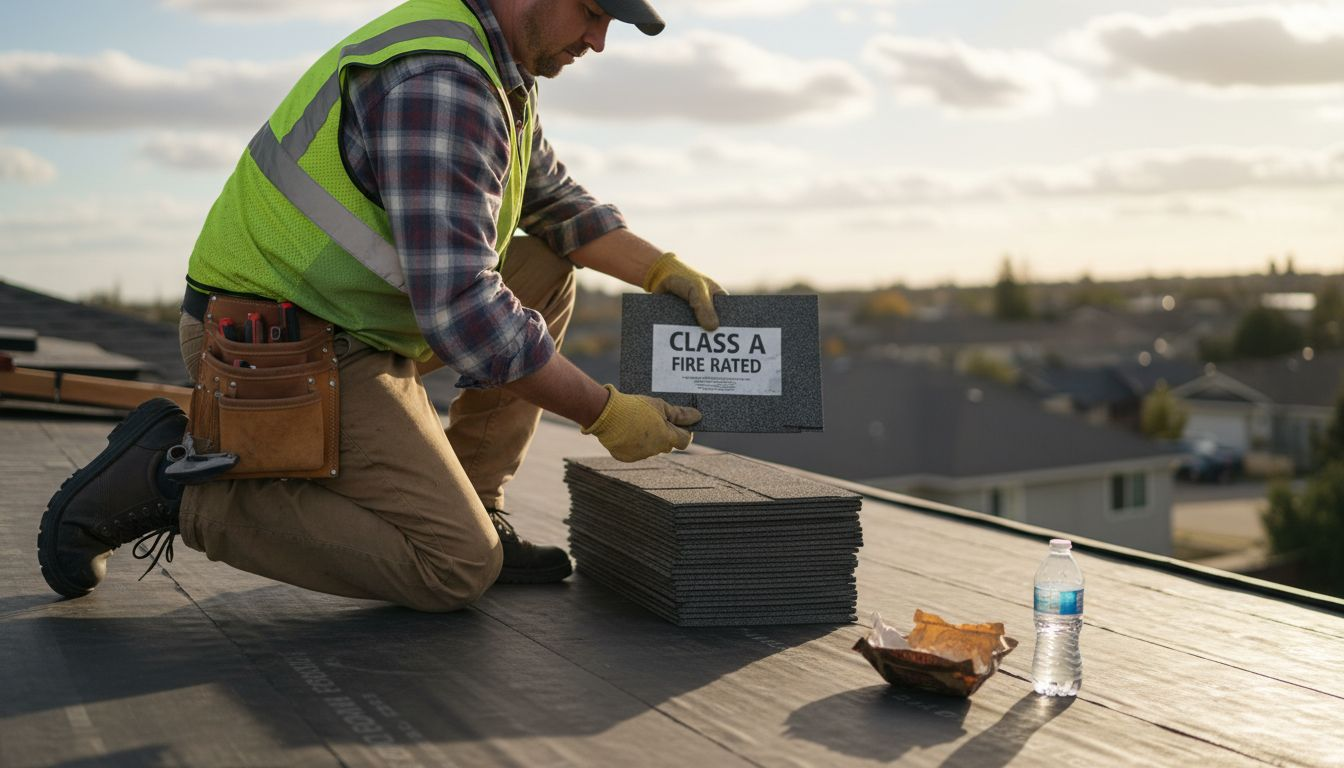
Fire Resistance Classification represents one of the most critical roofing code categories. Roof assemblies are systematically classified based on fire resistance into Class A, B, and C designations, which indicate progressively lower levels of effectiveness against fire exposure. Class A represents the highest fire resistance rating, typically required for structures in high-risk environments or regions prone to wildfire exposure. These classifications help homeowners and contractors understand the fundamental safety characteristics of different roofing materials and systems.
Beyond fire resistance, roofing building codes also address crucial performance metrics like wind uplift resistance, thermal efficiency, moisture penetration resistance, and structural load-bearing capacity. Each category establishes specific testing protocols and minimum performance thresholds that roofing materials and installation techniques must meet. These standards ensure that roofing systems can withstand extreme weather conditions, provide adequate insulation, and maintain structural integrity throughout their expected service life.
The intricate nature of roofing building codes reflects the complexity of modern construction requirements. Local jurisdictions often adapt national building code frameworks to address region-specific environmental challenges, which means roofing standards can vary significantly between different geographic areas. Contractors and homeowners must stay informed about these nuanced requirements to ensure compliance and optimal roof performance.
Here is a summary of major roofing code categories and their primary focus:
| Code Category | Focus Area | Why It Matters |
|---|---|---|
| Fire Resistance | Fire safety, spread | Protects against wildfire, insurance |
| Wind Uplift Resistance | High wind, storms | Prevents shingle loss, leaks |
| Moisture Penetration | Water intrusion, drainage | Reduces rot, mold, damage |
| Structural Load | Weight support, snow load | Ensures long-term integrity |
| Thermal Efficiency | Insulation, energy use | Improves comfort, lowers costs |
Pro Tip: Always request a detailed code compliance report from your roofing contractor that specifically outlines how their proposed roofing system meets current local and national building code requirements for your specific region.
Key Requirements for Roofing Materials and Installation
Roofing building codes establish rigorous standards for material selection and installation techniques that ensure structural integrity, safety, and long-term performance. These requirements encompass multiple critical aspects, from fire resistance to structural load-bearing capabilities, that homeowners must understand before initiating any roofing project. Class A roof assemblies represent the highest standard of fire protection, requiring specific materials like brick, masonry, and certain metals that have been tested and approved by recognized agencies.
Material selection plays a pivotal role in meeting building code requirements. Approved roofing materials must demonstrate specific performance characteristics including wind resistance, thermal efficiency, moisture penetration prevention, and durability. Class B roof assemblies provide moderate fire resistance, typically including treated wood shingles and specific asphalt shingle compositions, which must be thoroughly evaluated and certified by authorized testing agencies before installation.
Installation protocols represent another crucial dimension of roofing code compliance. Building codes mandate precise technical specifications for how roofing materials must be positioned, secured, and integrated with underlying structural components. These guidelines address critical factors like proper fastening techniques, appropriate overlap between roofing elements, flashing installation, edge detailing, and maintaining consistent material integrity throughout the entire roofing system. Contractors must follow these exacting standards to ensure the roof can withstand environmental stresses and provide reliable protection for the structure.
Local building jurisdictions often implement additional region-specific requirements that complement national building codes. These localized standards might address unique environmental challenges such as extreme wind conditions, heavy snow loads, wildfire risks, or specific architectural constraints. Homeowners should work closely with licensed roofing professionals who understand both national and local regulatory frameworks to ensure complete compliance and optimal roof performance.
Pro Tip: Request detailed documentation from your roofing contractor demonstrating how their proposed materials and installation methods meet or exceed current building code requirements for your specific geographic region.
Permit and Inspection Process for Roof Projects
The permit and inspection process represents a critical safeguard in ensuring roofing projects meet essential safety and structural standards. Homeowners must navigate this regulatory landscape carefully, understanding that each local jurisdiction has unique requirements for roof replacements, repairs, and significant modifications. Building inspectors play a crucial role in verifying that construction projects adhere to all applicable codes and regulations, possessing both the authority and responsibility to ensure complete compliance.
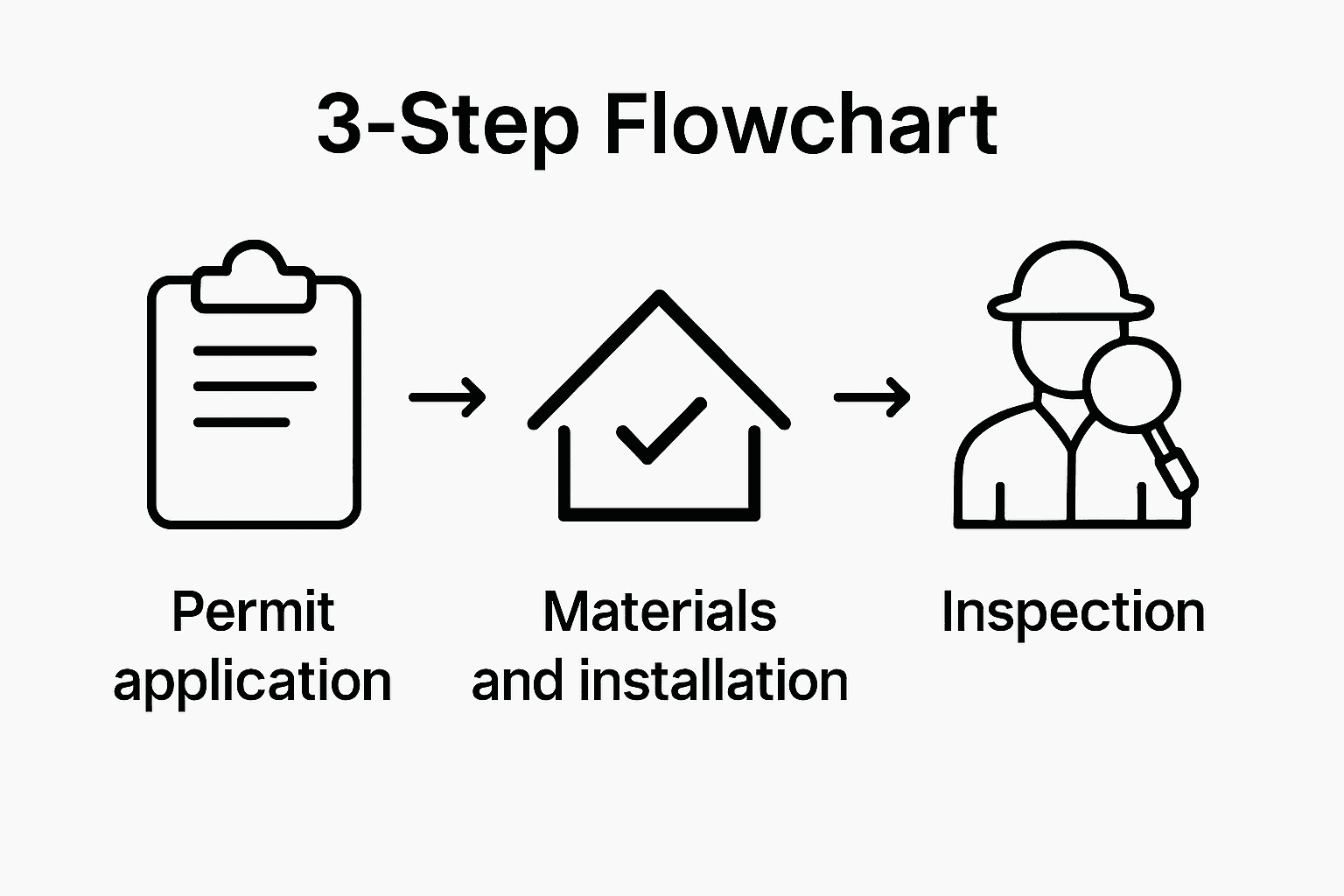
Permit Application typically involves submitting detailed documentation to local building authorities, including comprehensive project plans, material specifications, contractor credentials, and proposed installation methodologies. Most municipalities require homeowners or licensed contractors to obtain official permits before commencing any substantial roofing work. This documentation demonstrates that the proposed project will meet local building codes, zoning restrictions, and safety standards, serving as a critical first step in the regulatory approval process.
Inspection stages are strategically structured to validate compliance at multiple project milestones. Building inspectors possess discretion to allow modifications that meet safety standards and the intent of the building code, which provides some flexibility in addressing unique project requirements. Initial inspections often occur before work begins, examining the existing roof structure, while subsequent inspections validate proper material installation, structural integrity, and adherence to approved project plans. Final inspections confirm that the completed roofing project fully satisfies all regulatory requirements and maintains the highest safety standards.
Cost and timeline considerations are integral to the permit and inspection process. Permit fees vary widely between jurisdictions, typically ranging from $100 to $1,000 depending on project complexity and local regulations. Homeowners should anticipate potential inspection delays, with the entire process potentially extending project timelines by several days or weeks. Proactive communication with local building authorities and selecting a licensed, experienced roofing contractor can help streamline these regulatory requirements and minimize potential complications.
Pro Tip: Request a detailed written timeline from your roofing contractor that explicitly outlines anticipated permit acquisition and inspection stages, helping you understand and prepare for potential project delays.
Common Code Violations and How to Avoid Them
Understanding and preventing roofing code violations is crucial for homeowners seeking to maintain structural integrity, safety, and long-term property value. Non-compliance with local building codes can significantly impact insurance coverage, potentially leading to higher premiums or outright denial of insurance protection. These violations extend beyond mere technical infractions, representing serious risks to property safety and financial stability.
Material and Installation Violations represent the most frequent code compliance challenges. Roofing professionals must adhere to strict guidelines established by the International Residential Code (IRC), International Building Code (IBC), and International Existing Building Code (IEBC), which specify precise requirements for material selection, installation techniques, and structural performance. Common violations include using inappropriate roofing materials, incorrect fastening methods, inadequate flashing, insufficient ventilation, and improper slope or drainage design. These seemingly minor infractions can compromise roof performance and potentially invalidate warranties or insurance coverage.
Structural compliance involves more than surface-level considerations. Building codes mandate specific requirements for load-bearing capacity, wind resistance, fire ratings, and thermal performance. Violations often occur when homeowners or inexperienced contractors deviate from approved installation protocols, use non-standard materials, or fail to account for local environmental conditions. Roof deck preparation, underlayment selection, edge detailing, and proper integration with existing building systems represent critical areas where code violations frequently emerge. Each of these elements requires meticulous attention to technical specifications and local regulatory standards.
Financial and legal implications of code violations can be substantial. Beyond potential insurance complications, homeowners may face significant repair costs, mandatory retrofitting, legal challenges, and potential safety risks. Municipalities can issue stop-work orders, levy substantial fines, or require complete project reconstruction if severe violations are discovered. Professional roofing contractors who maintain current certifications and stay informed about evolving building codes can help mitigate these risks by ensuring comprehensive compliance throughout the project lifecycle.
Below is a comparison of common code violations and effective strategies to avoid them:
| Violation Type | Typical Consequence | Prevention Strategy |
|---|---|---|
| Using non-approved materials | Failed inspections, fines | Verify product approvals, use certified brands |
| Incorrect installation | Leaks, structural weaknesses | Hire trained, experienced installers |
| Lack of proper ventilation | Short roof lifespan, mold | Follow code for vents, inspect airflow |
| Unpermitted work | Legal issues, stop-work orders | Apply for permits before starting work |
| Ignoring local amendments | Non-compliance, rework required | Consult local officials, stay updated |
Pro Tip: Obtain a detailed written compliance certification from your roofing contractor that explicitly lists how the proposed project meets all current local and national building code requirements.
Ensure Your Roof Meets Every Building Code Requirement with Liberty Roofworks
Navigating complex roofing building codes can be overwhelming. From fire resistance classifications to wind uplift and moisture penetration standards, even minor oversights can lead to costly violations, insurance issues, or safety risks. If you want a roof that complies fully with local and national codes while providing superior protection for your home, trust professionals who understand these critical regulations inside and out.
At Liberty Roofworks, we specialize in residential and commercial roofing that meets rigorous standards for material quality and installation precision. Whether you need a Residential Roof Repair or a full New Roof Installation, our licensed experts ensure all work aligns with your region’s building codes. Don’t risk delays or penalties because of improper permits or code violations. Visit Liberty Roofworks today to schedule a consultation and protect your investment with a roofing system built right — the first time.
Frequently Asked Questions
What are roofing building codes?
Roofing building codes are legal regulations that establish minimum safety standards for roofing installations, covering aspects such as material specifications, installation techniques, and structural integrity to ensure the safety and performance of roofing systems.
Why are building codes important for roofing projects?
Building codes are crucial as they protect homeowners and communities by ensuring roofing systems meet specific performance and safety requirements, helping to prevent structural failures and property damage.
How do I know if my roofing contractor complies with local building codes?
You can verify compliance by requesting documentation from your roofing contractor that demonstrates their understanding and adherence to local building codes, including a detailed code compliance report.
What are common roofing code violations I should be aware of?
Common roofing code violations include using non-approved materials, improper installation techniques, lack of proper ventilation, and failing to obtain necessary permits. These violations can lead to safety risks, legal issues, and increased costs.