Heavy rainstorms in Charlotte can quickly turn a small roof drainage problem into a much bigger headache for homeowners. When water pools on your roof or spills over clogged gutters, it puts your foundation, landscaping, and home’s structure at risk. Understanding the essentials of proper roof drainage helps you avoid expensive repairs and keeps your home safe during unpredictable weather. This guide breaks down what effective drainage really means and how smart maintenance protects your property for the long haul.
Table of Contents
- What Is Proper Roof Drainage?
- Types of Roof Drainage Systems Explained
- How Good Drainage Protects Your Home
- Common Roof Drainage Problems After Storms
- Costs and Long-Term Benefits of Maintenance
Key Takeaways
| Point | Details |
|---|---|
| Effective Roof Drainage is Essential | Proper roof drainage systems are crucial for preventing water damage and maintaining the structural integrity of homes. Regular inspection and maintenance are vital for optimal performance. |
| Types of Roof Drainage Systems | Different roofing designs require specialized drainage solutions like internal drains, gutters, and scuppers to manage water efficiently. Choosing the right system based on architecture and local weather is important. |
| Maintenance Saves Money | Annual roof maintenance can significantly reduce long-term repair costs and extend the lifespan of the roof. Proactive approaches prevent costly issues and enhance overall home performance. |
| Watch for Storm-Related Issues | After storms, inspect for common drainage problems like clogged gutters and inadequate slope, as these can lead to serious damage if left unaddressed. Immediate action is crucial to prevent worsening conditions. |
What Is Proper Roof Drainage?
Proper roof drainage is a critical system that protects Charlotte homes from water damage by efficiently collecting and redirecting rainwater away from the structure. Essential drainage principles involve strategic design that considers multiple engineering factors to prevent potential structural issues.
At its core, roof drainage involves an integrated network of components including gutters, downspouts, drains, and slope designs that work together to channel water safely off the roof. These systems must account for local weather patterns, roof pitch, and potential water accumulation points. Professional drainage solutions consider architectural nuances like roof geometry, material composition, and regional precipitation levels to create effective water management strategies.
The primary goal of roof drainage is preventing water from pooling or seeping into structural elements. Poor drainage can lead to significant problems such as roof deterioration, foundation weakening, landscape erosion, and potential interior water damage. Comprehensive drainage research indicates that modern drainage systems must be engineered with precision to handle increasing weather unpredictability and extreme precipitation events.
Pro tip: Inspect your roof’s drainage system at least twice annually, focusing on gutter alignment, downspout functionality, and checking for any signs of water backup or improper flow.
Types of Roof Drainage Systems Explained
Roof drainage systems in Charlotte are not one-size-fits-all solutions, but rather specialized approaches tailored to specific architectural designs and regional weather conditions. Surface and subsurface drainage systems offer homeowners multiple strategies for managing water flow and preventing potential structural damage.
The primary roof drainage systems include internal roof drains, external gutters, downspouts, and scuppers. Internal roof drains function by collecting water through strategically placed openings on flat or low-slope roofs, channeling it directly into the building’s internal piping system. External gutters and downspouts remain the most common residential drainage solution, capturing water along roof edges and directing it away from the home’s foundation. Scuppers, typically found on flat commercial roofs, provide critical overflow protection by creating dedicated water exit points through parapet walls or roof edges.
Comprehensive drainage research indicates that modern drainage systems must incorporate both primary and secondary drainage mechanisms to ensure complete water management. This multilayered approach helps Charlotte homeowners protect against potential water-related structural issues by providing redundant water removal pathways. Each drainage type offers unique advantages: internal drains minimize external visual complexity, gutters provide straightforward water redirection, and scuppers create emergency overflow capabilities during extreme precipitation events.
Here’s a comparison of common roof drainage systems and their key advantages:
| Drainage System | Best For | Distinct Advantage | Typical Use in Charlotte |
|---|---|---|---|
| Internal Drains | Flat/Low-Slope Roofs | Hidden design, direct flow | Commercial, modern homes |
| Gutters & Downspouts | Sloped Roofs | Simple installation, cost-effective | Most residential homes |
| Scuppers | Flat Commercial Roofs | Emergency overflow paths | Apartment buildings |
Pro tip: Consult a professional roofing contractor to assess your specific roof design and recommend the most appropriate drainage system for your Charlotte home’s unique architectural characteristics.
How Good Drainage Protects Your Home
Effective drainage systems are critical for protecting Charlotte homes from potential water-related structural damage. Water management goes far beyond simply redirecting rainfall; it involves a comprehensive approach to preserving your home’s foundation, landscape, and overall structural integrity. When water is not properly channeled, it can cause significant and often irreversible damage to your property.
The primary protective mechanisms of good drainage include preventing foundation erosion, minimizing soil saturation, and reducing moisture intrusion risks. Foundation protection is particularly crucial, as water accumulation can cause soil expansion and contraction, leading to cracks, shifting, and potential structural instability. Water that pools around your home’s base can gradually weaken concrete, compromise load-bearing walls, and create conditions conducive to mold growth and wood rot. By implementing strategic drainage solutions, homeowners can effectively redirect water flow and maintain a stable, dry environment around their home’s critical structural elements.
Urban landscape drainage research highlights the broader environmental benefits of proper drainage systems. Beyond protecting individual homes, well-designed drainage helps manage runoff, prevent soil erosion, and maintain local ecosystem balance. In Charlotte’s variable climate, this becomes even more critical, as heavy rain events can quickly overwhelm poorly designed drainage infrastructure. Effective systems not only protect your immediate property but also contribute to broader community water management efforts.
Pro tip: Conduct a comprehensive drainage assessment during dry seasons, looking for low spots, potential water accumulation areas, and signs of previous water damage around your home’s foundation.
Common Roof Drainage Problems After Storms
Common roof drainage problems can significantly compromise the structural integrity of Charlotte homes following severe weather events. Storm damage often exposes underlying weaknesses in roofing systems, revealing critical vulnerabilities that require immediate attention and professional assessment. Understanding these potential issues is crucial for homeowners seeking to protect their property from long-term water-related damage.
The most prevalent drainage challenges include clogged gutters, blocked downspouts, and inadequate roof slope. Debris like leaves, branches, and storm remnants can quickly obstruct water flow, causing water to pool and potentially seep into critical structural areas. These blockages create significant pressure points that can lead to roof sagging, material deterioration, and potential interior water damage. Forensic roof drainage studies demonstrate that emergency overflow systems become crucial during extreme weather conditions, preventing catastrophic failures by providing alternative water exit routes.
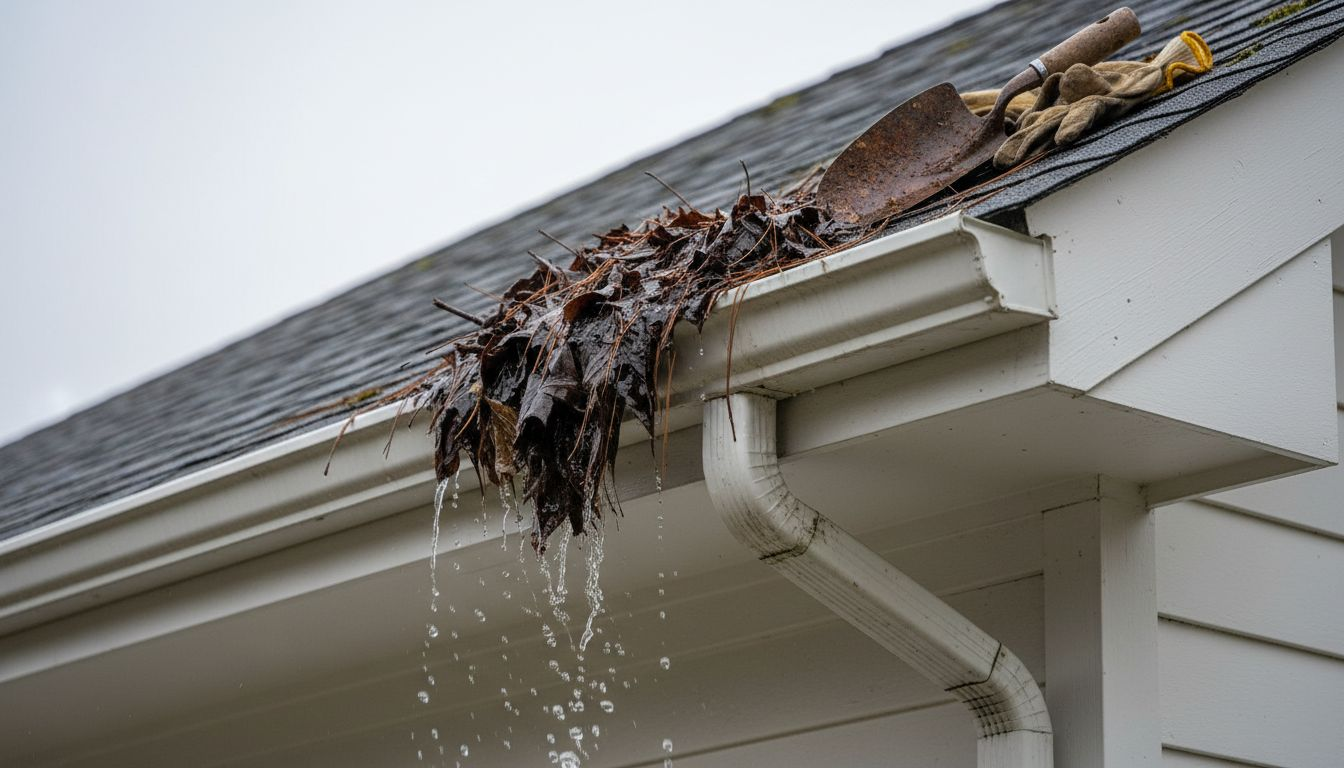
Storm-related drainage problems often manifest through subtle yet critical signs homeowners should recognize. Water stains on interior ceilings, unexpected moisture around foundation areas, and visible water trails along exterior walls indicate potential drainage system failures. Standing water on roof surfaces, known as roof ponding, represents a particularly dangerous condition that can compromise roofing materials and structural load-bearing capabilities. These symptoms suggest that your home’s drainage infrastructure may require professional inspection and potentially comprehensive remediation.
Pro tip: Conduct a thorough visual inspection of your roof and drainage systems within 48 hours after significant storm events, documenting any visible damage or potential water accumulation areas for professional assessment.
Costs and Long-Term Benefits of Maintenance
Proactive roof maintenance strategies represent a critical investment for Charlotte homeowners seeking to protect their property’s structural integrity and financial value. While many residents view maintenance as an additional expense, it actually serves as a strategic approach to preventing significantly more costly repairs and premature roof replacements. Understanding the economic calculus of routine maintenance can transform how homeowners approach their roofing infrastructure.
The financial benefits of consistent maintenance extend far beyond simple repair prevention. Annual inspection costs typically range from $200 to $500, which pales in comparison to potential replacement expenses that can exceed $10,000 for a standard residential roof. Timely interventions address minor issues before they escalate into major structural problems, potentially saving homeowners thousands of dollars in emergency repair costs. Sustainable drainage maintenance research demonstrates that systematic upkeep reduces long-term financial risks while simultaneously preserving the roofing system’s performance and durability.
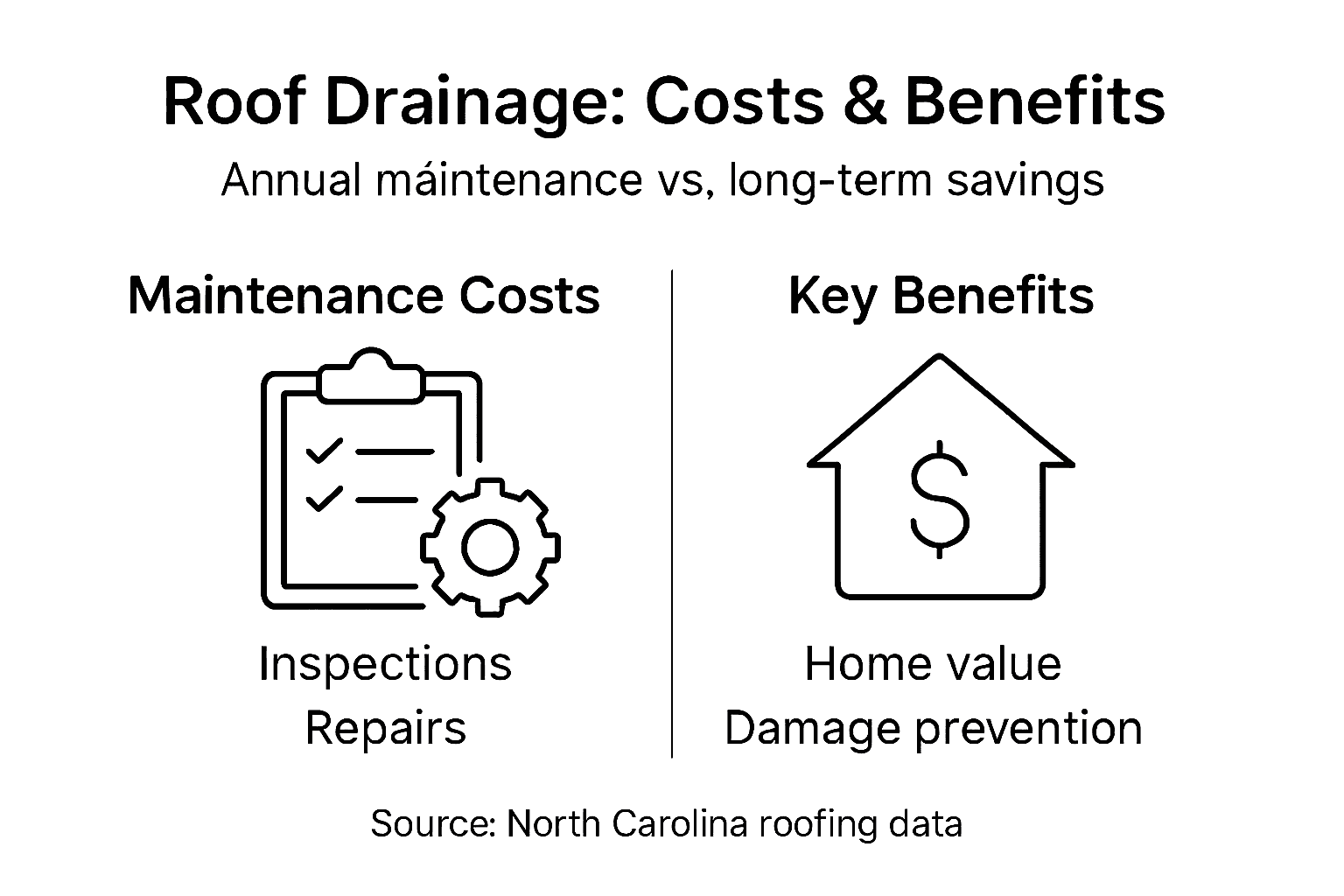
Beyond direct financial considerations, regular maintenance provides additional value through enhanced home performance and environmental sustainability. Properly maintained roofing systems improve energy efficiency, reduce water damage risks, and contribute to overall home resilience. By addressing drainage issues proactively, homeowners can prevent moisture-related complications like mold growth, foundation weakening, and interior water damage that could dramatically reduce property value and compromise living conditions.
Summary of long-term benefits gained from regular roof drainage maintenance:
| Benefit | Description | Financial Impact |
|---|---|---|
| Reduced Repair Costs | Early issue detection lowers expenses | Saves thousands long-term |
| Enhanced Durability | Extends roof lifespan | Defers costly replacement |
| Safer Living Space | Prevents mold and water ingress | Protects property value |
| Energy Efficiency | Reduces moisture-related energy loss | Lowers utility bills |
Pro tip: Create a digital maintenance log documenting each roof inspection, repair, and maintenance activity to track your roof’s health and potentially increase your home’s resale value.
Protect Your Charlotte Home with Expert Roof Drainage Solutions
Proper roof drainage is essential to prevent costly damage from water pooling, foundation erosion, and structural weakening. If you have noticed clogged gutters, standing water on your roof, or signs of water damage after storms it is critical to act quickly. At Liberty Roofworks we specialize in roofing systems designed to handle Charlotte’s unique weather conditions. Our expert team ensures your gutters, downspouts, and overall roof drainage function smoothly to keep your home safe and dry.
Don’t wait until minor drainage issues become expensive repairs. Benefit from our comprehensive services including Residential Roof Repair & Replacements and Storm Damage Repair. Contact us today to schedule a professional roof inspection and start protecting your investment now. Visit Liberty Roofworks for trusted roofing solutions tailored to your needs.
Frequently Asked Questions
What are the main components of proper roof drainage?
Proper roof drainage systems comprise various components, including gutters, downspouts, internal roof drains, and scuppers, each designed to efficiently channel rainwater away from the roof and foundation.
Why is good roof drainage important for homes?
Good roof drainage prevents water pooling, which can lead to severe structural problems like roof deterioration, foundation weakening, and interior water damage. It is essential for maintaining the integrity of your home.
How often should I inspect my roof drainage system?
It’s advisable to inspect your roof’s drainage system at least twice a year, focusing on gutter alignment, downspout functionality, and checking for signs of water backup or improper flow.
What are common problems associated with poor roof drainage?
Common problems include clogged gutters and downspouts, inadequate roof slope, and water ponding on roof surfaces. These issues can result in significant damage to the roof and foundation if not addressed promptly.
Recommended