Over 80 percent of American roofs face early wear from sun, storms, and seasonal moisture. Protecting your property from costly damage is not just smart, it is essential in neighborhoods where extreme weather tests every structure. Modern roof coatings offer a proactive barrier that can save money, preserve your investment, and help extend roof life years beyond what many expect.
Table of Contents
- What Are Roof Coatings and How They Work
- Types of Roof Coatings for Residential and Commercial Property
- Benefits and Limitations of Roof Coatings
- Roof Coating Installation Process and Requirements
- Cost Considerations and Common Mistakes to Avoid
Key Takeaways
| Point | Details |
|---|---|
| Roof Coatings Enhance Durability | Roof coatings provide a protective layer that significantly extends the lifespan of roofing systems by shielding them from environmental damage. |
| Selection of Coating Type Matters | Choosing the appropriate coating formulation is crucial to address specific needs based on climate, roof type, and property use. |
| Professional Installation is Essential | Proper surface preparation and professional application techniques are vital to maximize the effectiveness and longevity of roof coatings. |
| Cost-Benefit Analysis is Important | Consider both initial costs and potential energy savings over time to ensure a sound investment in roof coating solutions. |
What Are Roof Coatings and How They Work
Roof coatings represent a critical protective technology designed to extend the lifespan and performance of roofing systems. Specialized protective films form a durable, elastic membrane that shields roofing materials from environmental challenges like moisture, ultraviolet radiation, and temperature fluctuations.
These advanced protective layers work by creating a seamless barrier across existing roof surfaces. Roof coatings are engineered to bridge small cracks and seal vulnerable seams, effectively preventing water intrusion and structural degradation. Different coating formulations offer unique benefits, ranging from enhanced waterproofing to improved thermal reflectivity. Cool roof technologies can specifically reduce building temperatures by reflecting more sunlight and absorbing less heat compared to standard roofing materials.
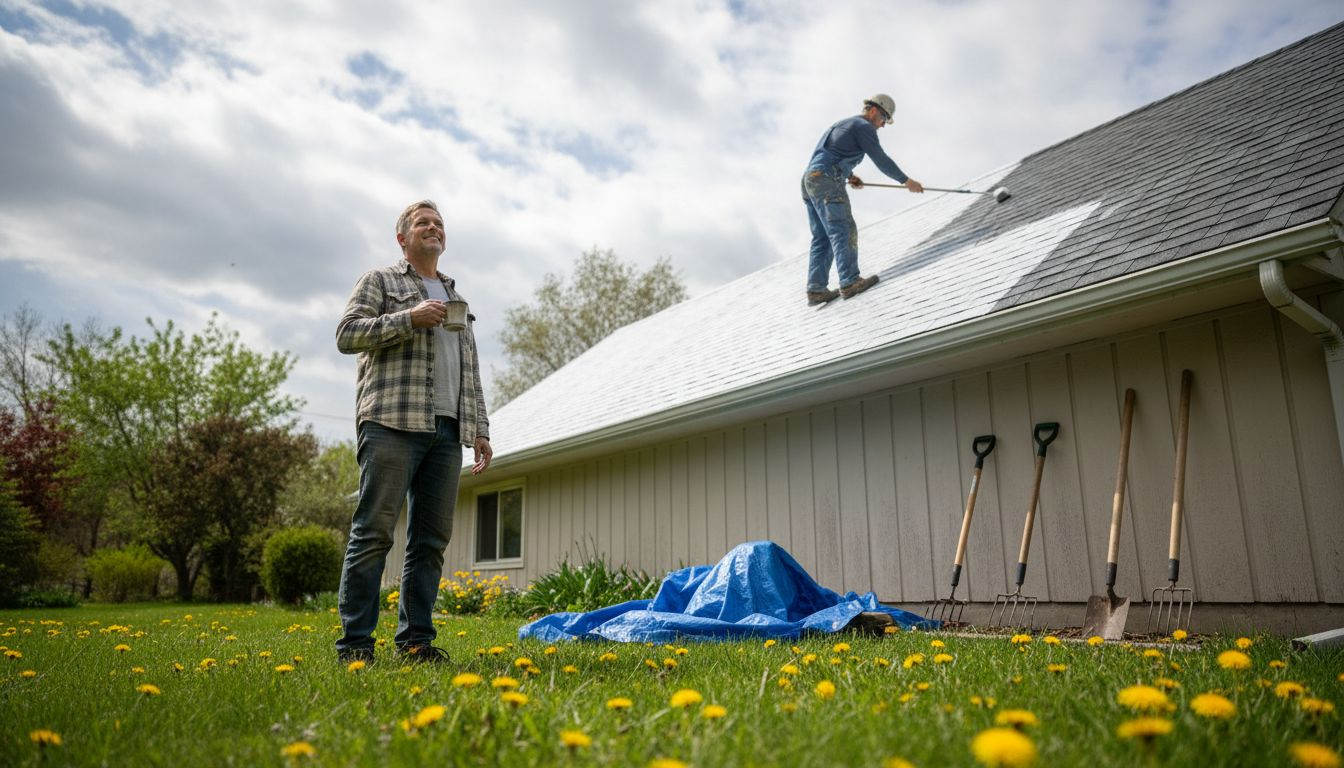
The application process involves carefully preparing the existing roof surface by cleaning, repairing minor damages, and then applying the coating using specialized rollers or spray equipment. Professional roofing contractors typically recommend specific coating types based on roof material, local climate conditions, and the building’s specific performance requirements. Coating thickness, typically ranging from 20 to 40 millimeters, directly impacts the protection level and expected service life extension.
Pro Tip: Schedule a professional roof coating inspection every two years to assess coating performance and identify potential areas requiring maintenance or reapplication, ensuring maximum protection and longevity for your roofing investment.
Types of Roof Coatings for Residential and Commercial Property
Roof coatings come in diverse formulations, each designed to address specific performance needs for residential and commercial properties. Cool roof products vary significantly across different roof types, including asphaltic membranes, liquid-applied coatings, single-ply membranes for low-slope roofs, and reflective shingles for steep-slope applications.
Residential roof coatings typically focus on protecting against weather damage, improving energy efficiency, and enhancing aesthetic appeal. These coatings range from silicone and acrylic formulations to specialized elastomeric products that can expand and contract with temperature changes. Low-slope roofing solutions include asphaltic membranes and fluid-applied systems that provide comprehensive protection against moisture and environmental stress.
Commercial properties often require more robust coating solutions due to larger roof surfaces and more demanding environmental conditions. Polyurethane and silicone coatings are particularly popular for industrial and commercial buildings, offering superior durability, chemical resistance, and long-term performance. These advanced coatings can significantly extend roof life, reduce maintenance costs, and improve overall building energy efficiency by reflecting solar radiation and reducing heat absorption.
Pro Tip: Consult with a professional roofing contractor to assess your specific property’s coating needs, as the right selection depends on roof material, local climate, building usage, and existing structural conditions.
Here’s a comparison of common roof coating types and their key advantages:
| Coating Type | Best For | Key Benefit | Typical Drawback |
|---|---|---|---|
| Acrylic | UV exposure | Excellent reflectivity | Less durable in ponding water |
| Silicone | Wet/humid climates | Superior water resistance | Can attract dirt, reduces reflectivity |
| Polyurethane | High-traffic roofs | High durability | May emit strong fumes during application |
| Elastomeric | Temperature swings | Flexibility and expansion | May require multiple coats |
Benefits and Limitations of Roof Coatings
Roof coating technologies offer a comprehensive solution for extending roof life and improving building performance, but understanding their full range of benefits and potential limitations is crucial for making informed decisions. These protective systems provide remarkable advantages, including enhanced waterproofing, improved energy efficiency, and increased structural durability.
The primary benefits of roof coatings include significant cost savings and environmental advantages. By reflecting sunlight and reducing heat absorption, these coatings can dramatically lower cooling expenses and mitigate urban heat island effects. Cool roof technologies demonstrate potential energy cost reductions of up to 30% in some climates, making them an attractive option for property owners seeking sustainable building solutions. However, these systems are not without limitations, including higher initial installation costs and the need for periodic maintenance to preserve their reflective properties.
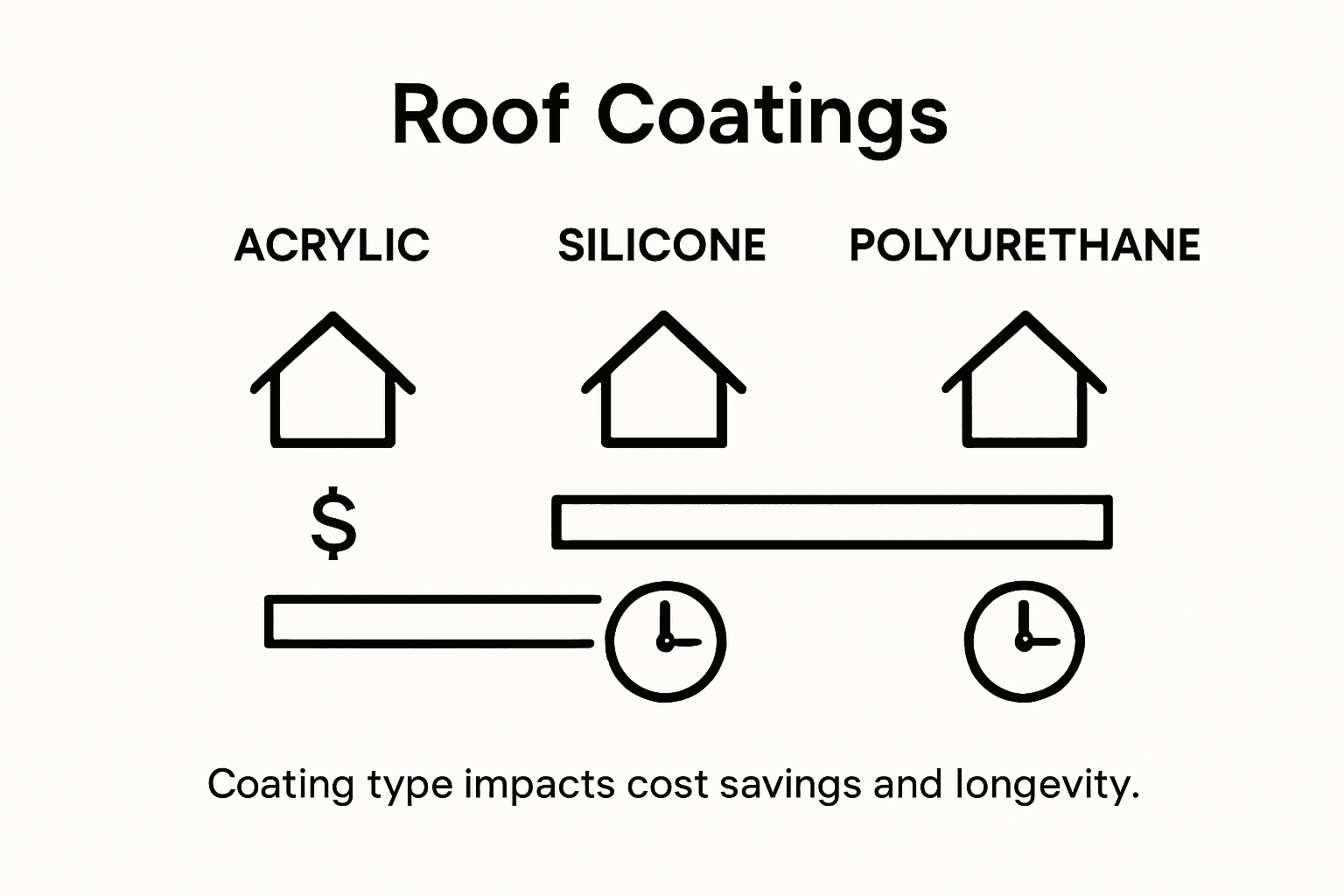
Different coating types present unique performance characteristics that property owners must carefully evaluate. Silicone coatings excel in wet environments, while acrylic options provide superior UV resistance. Polyurethane coatings offer exceptional durability for high-traffic commercial surfaces. Each formulation involves trade-offs between initial investment, expected lifespan, and specific environmental protection capabilities. Some coatings may degrade faster in extreme climate conditions, requiring more frequent reapplication or more comprehensive maintenance strategies.
Pro Tip: Conduct a comprehensive roof assessment with a professional before selecting a coating, as proper substrate preparation and matching the right coating to your specific roof type are critical for maximizing long-term performance and protecting your investment.
Roof Coating Installation Process and Requirements
Roof coating installation represents a complex process that demands precision, professional expertise, and meticulous attention to detail. The procedure begins with a comprehensive roof inspection to identify existing damage, structural weaknesses, and potential areas requiring preliminary repair before coating application.
The preparation phase is critical and involves multiple sequential steps. Professional contractors thoroughly clean the roof surface, removing debris, dirt, and existing loose materials to ensure optimal coating adhesion. Manufacturer guidelines recommend addressing any substrate imperfections like cracks, punctures, or uneven surfaces before applying the coating. Typically, this involves power washing, chemical cleaning, and potentially applying primer to create an ideal bonding surface for the protective coating.
Application techniques vary depending on the specific coating type and roof substrate. Professionals typically use specialized rollers, squeegees, or spray equipment to apply coatings in multiple thin layers, ensuring even distribution and maximum coverage. Most coating systems require two distinct application layers, with sufficient drying time between each coat to prevent moisture trapping and ensure proper curing. Environmental conditions like temperature, humidity, and wind play crucial roles in determining optimal application windows and overall coating performance.
Pro Tip: Schedule roof coating installation during moderate weather conditions with temperatures between 50 and 85 degrees Fahrenheit to guarantee the most effective application and fastest curing time.
Below is a summary of roof coating installation requirements and process stages:
| Step | Purpose | Typical Tasks Involved |
|---|---|---|
| Inspection | Identify issues | Assessing structure, finding leaks |
| Surface Preparation | Ensure adhesion | Cleaning, repairing, priming |
| Application | Create protective barrier | Rolling, spraying, layering |
| Curing & Quality Check | Secure long-term performance | Monitoring drying, final review |
Cost Considerations and Common Mistakes to Avoid
Cool roof coatings represent a strategic investment that can generate significant long-term financial benefits when implemented correctly. The initial installation costs vary widely depending on roof size, coating type, and existing roof condition, typically ranging from $1.50 to $6 per square foot for professional application. Homeowners and building managers must carefully analyze both upfront expenses and potential energy savings to make an informed decision.
Understanding common mistakes is crucial for maximizing coating effectiveness and avoiding unnecessary expenses. Roof coating performance can be dramatically compromised by improper surface preparation, incorrect material selection, and inadequate application techniques. The most frequent errors include failing to thoroughly clean and repair the existing roof surface, choosing a coating incompatible with the current roofing material, and attempting do-it-yourself installation without proper training or equipment.
Financial considerations extend beyond initial installation costs. Professional roof coating applications can potentially pay for themselves through energy savings within three to five years, depending on local climate and building characteristics. Factors like roof pitch, substrate condition, and regional temperature variations significantly impact overall coating performance and long-term cost-effectiveness. Property owners should consider lifecycle costs, including maintenance expenses, potential energy savings, and extended roof longevity when evaluating coating investments.
Pro Tip: Request detailed cost-benefit analysis from professional roofing contractors, including projected energy savings, maintenance requirements, and expected coating lifespan before making a final investment decision.
Protect Your Roof Investment with Expert Coating Solutions
The article highlights the challenges of preserving roof integrity against moisture, UV damage, and temperature swings through effective roof coatings. If you are concerned about extending the life of your residential or commercial roof while reducing costly repairs and energy expenses, understanding the right coating type and proper application is key. Terms like “elastomeric,” “silicone,” and “acrylic” coatings emphasize the importance of professional assessment and quality installation.
At Liberty Roofworks, we specialize in comprehensive roofing services including expert repairs and new installations tailored to your roof type and local climate. Whether you need Residential Roof Repairs & Replacements, or a trusted partner to handle Commercial Roof Installations, our experienced team ensures the highest standard of workmanship that enhances durability and energy efficiency. Don’t wait until minor damage becomes a major expense. Visit our website at Liberty Roofworks to schedule your roof evaluation and protect your investment with confidence today.
Frequently Asked Questions
What are roof coatings and how do they work?
Roof coatings are specialized protective films that create a durable, elastic membrane over existing roofing materials. They shield roofs from environmental challenges like moisture, UV radiation, and temperature changes by forming a seamless barrier that bridges cracks and seals seams to prevent water intrusion and structural degradation.
What are the different types of roof coatings available?
Roof coatings come in various formulations suited for specific needs, including acrylic, silicone, polyurethane, and elastomeric coatings. Each type has unique benefits, such as UV resistance, flexibility, and durability, which cater to different environmental conditions and roofing materials.
What are the benefits of using roof coatings?
Roof coatings provide numerous benefits, including enhanced waterproofing, improved energy efficiency, and increased structural durability. They can also significantly lower cooling costs by reflecting sunlight, thereby reducing the urban heat island effect and promoting sustainability.
What is the installation process for roof coatings?
The installation process involves several key steps: first, a comprehensive inspection to identify repairs; then, preparing the surface through cleaning and repairs; followed by applying the coating in multiple thin layers, allowing for adequate drying time between applications to ensure proper curing and performance.
Recommended