Most homeowners are surprised to learn that labor and installation can make up over half of total roofing costs. Deciding on a new roof is not just about picking the shingle color or finding the lowest price—every choice impacts your budget and your home’s future. Without understanding the true drivers behind roofing expenses, it is easy to fall for costly misconceptions. This guide breaks down the real factors you need to know so you can plan with confidence and avoid hidden surprises.
Table of Contents
- Defining Roof Cost Factors And Misconceptions
- Types Of Roofing Materials And Price Differences
- Labor, Removal, And Installation Expenses
- Impact Of Roof Size And Pitch On Cost
- Regional Pricing, Permits, And Local Factors
- Unexpected Costs: Repairs, Upgrades, And Storm Damage
Key Takeaways
| Point | Details |
|---|---|
| Understanding Cost Factors | Roofing costs involve multiple variables including material durability, installation complexity, and regional climate effects beyond just material price. |
| Material Choices | Selecting the right roofing material can impact long-term costs, requiring consideration of durability and maintenance over initial expenses. |
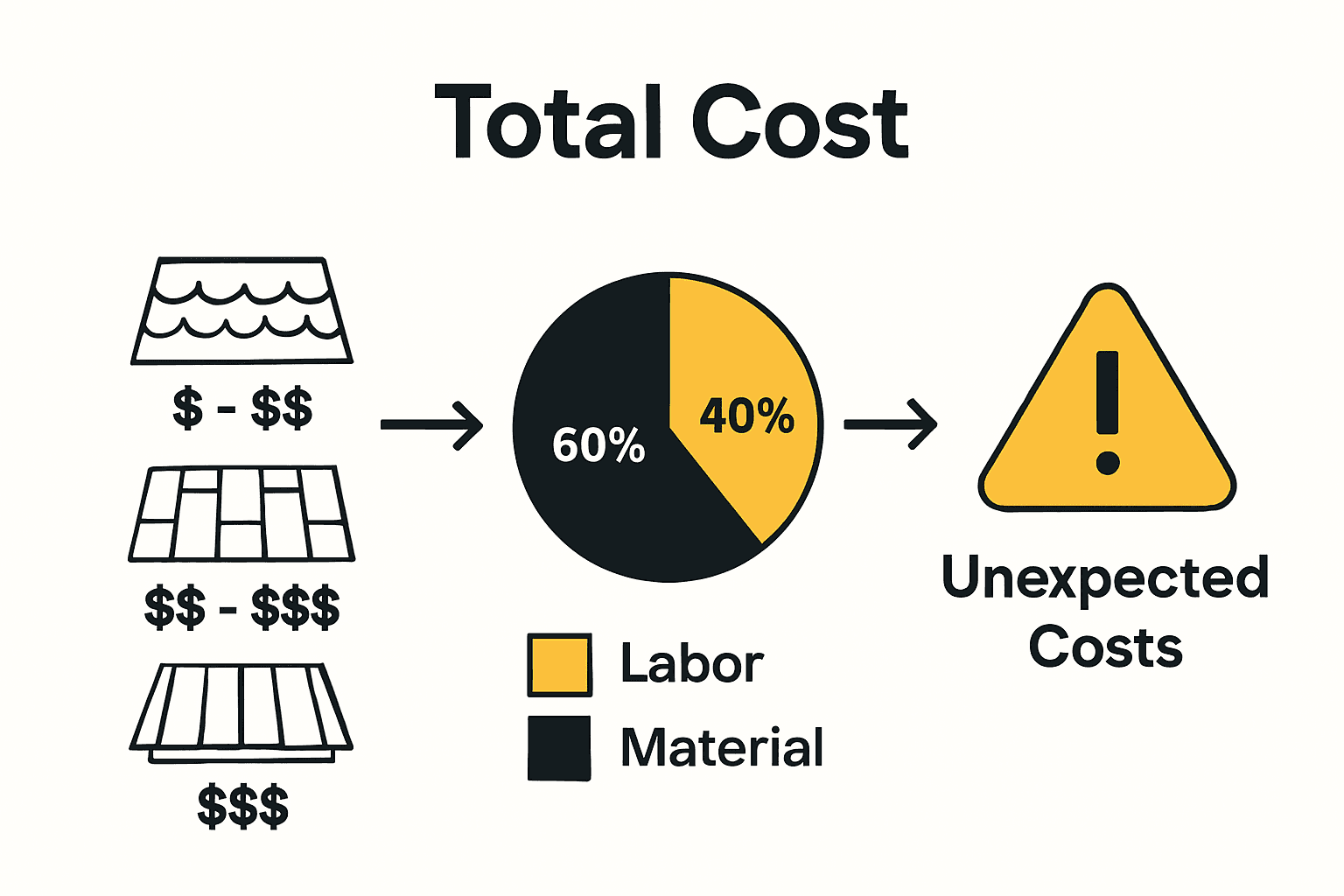
| Labor and Installation | Labor costs can represent 40-60% of total roofing expenses, influenced by roof complexity and type of materials used. |
| Proactive Maintenance | Anticipating and budgeting for unexpected roofing repairs can prevent significant financial burdens and ensure the longevity of the roof. |
 |
|
Defining Roof Cost Factors and Misconceptions
Understanding roof costs isn’t as straightforward as most homeowners imagine. According to the U.S. Forest Service, roofing expenses involve multiple complex variables that extend far beyond simple material prices. Roof cost factors encompass everything from material selection to installation complexity, climate considerations, and long-term performance potential.
The fundamental misconception many homeowners harbor is that cheaper materials automatically translate to cost savings. However, National Roof Certification and Inspection Association research reveals that initial price is just one piece of a much larger financial puzzle. A less expensive roof might require more frequent repairs or replacement, ultimately costing significantly more over its lifetime. Smart homeowners evaluate roofing investments through a comprehensive lens that considers:
- Material Durability: Lifespan and resistance to environmental stressors
- Installation Complexity: Labor costs and technical requirements
- Regional Climate Impact: Performance under specific weather conditions
- Maintenance Expectations: Ongoing care and potential repair frequency
- Energy Efficiency: Potential long-term utility savings
Roofing professionals understand that each property presents unique challenges. What is a Roof Estimate? An accurate estimate takes into account these nuanced factors, providing homeowners with a realistic projection of both immediate and future roofing expenses. By moving beyond simplistic price comparisons and understanding the holistic cost landscape, property owners can make informed decisions that balance upfront investment with long-term value and performance.
Types of Roofing Materials and Price Differences
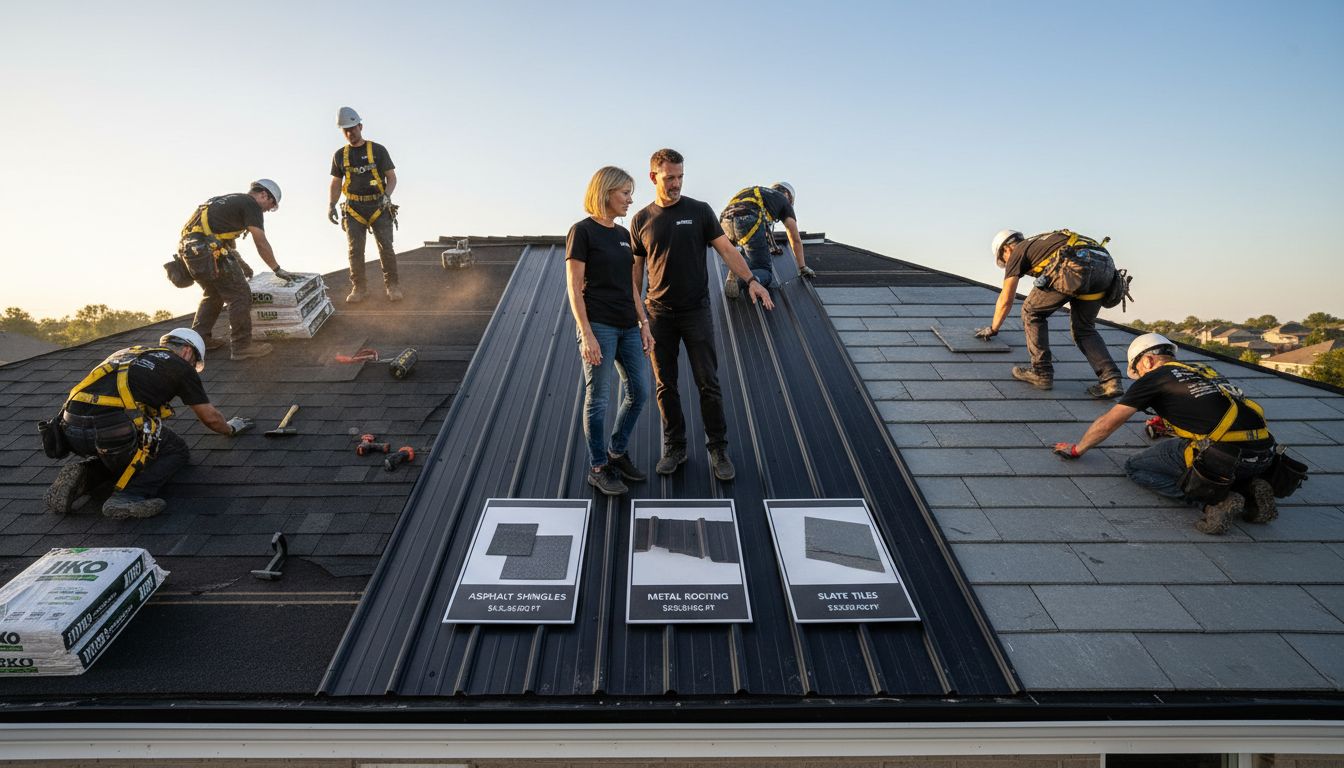
Roofing materials represent a significant investment with dramatic variations in cost, performance, and durability. Consumer Reports provides comprehensive insights into the diverse landscape of roofing options, revealing that material selection goes far beyond simple aesthetic preferences. Roofing materials range from budget-friendly asphalt shingles to premium options like slate and metal, each presenting unique financial and functional considerations.
According to Architecture Courses, the price spectrum for roofing materials is remarkably wide. Homeowners can expect cost variations that reflect material complexity, durability, and installation requirements. Here’s a breakdown of common roofing materials and their typical price ranges:
- Asphalt Shingles: Most affordable ($3-$5 per square foot)
- Lowest upfront cost
- 15-30 year lifespan
- Wide variety of styles
- Metal Roofing: Mid-range to premium ($5-$14 per square foot)
- Exceptional durability
- Energy-efficient
- 40-70 year potential lifespan
- Slate Roofing: Premium option ($20-$30 per square foot)
- Extremely long-lasting
- Classic aesthetic
- Can last over 100 years
How to Choose the Best Roofing Material for Your Roof becomes crucial when understanding that initial costs represent just one aspect of your roofing investment. Smart homeowners evaluate long-term value, considering factors like maintenance requirements, energy efficiency, and potential replacement intervals. By comprehensively analyzing these elements, you can make an informed decision that balances immediate budget constraints with future financial considerations.
Labor, Removal, and Installation Expenses
Roofing projects involve far more than just material costs. Architecture Courses reveals that labor and installation expenses can significantly impact the overall project budget, often representing 40-60% of total roofing costs. These expenses are influenced by multiple complex factors, including roof complexity, pitch, accessibility, and the specific skills required for different roofing materials.
According to the U.S. Forest Service, removal and disposal of existing roofing materials add another critical layer of expense to the project. Homeowners should anticipate additional costs that go beyond simple material replacement. Key factors affecting labor and removal expenses include:
- Roof Complexity: More intricate roof designs require more labor hours
- Multiple angles and slopes increase installation difficulty
- Architectural features like dormers or skylights demand specialized work
- Material Weight and Difficulty
- Lightweight materials like asphalt shingles: Lower installation costs
- Heavy materials like slate or clay tiles: Higher labor expenses
- Specialized materials require more skilled technicians
- Removal and Disposal Considerations
- Existing roof layer removal ($1-$5 per square foot)
- Disposal fees vary by local regulations
- Additional structural repairs might be necessary
7 Essential Types of Roofing Materials for Your Home becomes crucial reading for homeowners looking to understand the nuanced expenses associated with roofing projects. Professional contractors typically provide detailed estimates that break down material, labor, removal, and potential additional repair costs. By understanding these components, homeowners can budget more accurately and avoid unexpected financial surprises during their roofing renovation.
Impact of Roof Size and Pitch on Cost
Roof dimensions are a critical yet often overlooked factor in determining total project expenses. Architecture Courses reveals that roof size and pitch dramatically influence material requirements, labor complexity, and overall installation costs. Larger roofs naturally demand more materials and significantly more labor hours, creating a direct correlation between square footage and total project expense.
According to the U.S. Forest Service, roof pitch adds another layer of complexity to cost calculations. Steeper roof pitches require specialized equipment, additional safety measures, and more skilled labor, which can increase installation expenses by 20-40% compared to standard pitch roofs. Key considerations include:
- Roof Size Calculations
- Cost typically ranges $4-$7 per square foot for installation
- Larger roofs exponentially increase material and labor expenses
- Complex geometries further amplify installation challenges
- Pitch Impact Factors
- Low-pitch roofs (0-3 degrees): Most cost-effective
- Medium pitch (4-9 degrees): Standard installation costs
- Steep pitch (10-12 degrees): Significantly higher labor expenses
- Extreme pitch (13+ degrees): Requires specialized safety equipment
- Additional Cost Considerations
- Accessibility of roof surface
- Number of roof penetrations
- Complexity of architectural design
The Average Cost to Replace a Roof provides essential insights for homeowners navigating these complex calculations. Professional contractors understand that every degree of pitch and additional square foot can substantially impact the final project budget. By understanding these nuanced factors, homeowners can more accurately anticipate and budget for their roofing project’s true financial scope.
Regional Pricing, Permits, and Local Factors
Regional variations significantly impact roofing project expenses in ways many homeowners never anticipate. Architecture Courses reveals that local economic conditions, labor markets, and municipal regulations create dramatic cost differences even within the same state or metropolitan area. What might be a standard roofing expense in one city could represent a premium price just miles away.
According to the U.S. Forest Service, local building codes and climate considerations play a crucial role in determining roofing costs. Different regions mandate specific material standards, impact-resistance requirements, and installation protocols that directly influence project expenses. Key regional pricing factors include:
- Permit and Regulatory Expenses
- Municipal permit fees range $500-$1,500
- Additional inspection costs vary by jurisdiction
- Specialized regions may require extra documentation
- Climate-Specific Cost Factors
- Hurricane-prone areas: Higher material strength requirements
- Snow regions: Demand reinforced roofing structures
- Desert environments: Specialized heat-resistant materials
- Labor Market Influences
- Urban areas: Higher labor rates
- Rural regions: More competitive pricing
- Seasonal demand fluctuations impact overall costs
10 Key Commercial Roof Cost Factors You Need to Know provides deeper insights into navigating these complex regional pricing landscapes. Savvy homeowners understand that a comprehensive roofing budget must account for local variables beyond simple material and labor expenses. By researching municipal requirements and understanding regional economic dynamics, property owners can develop more accurate and realistic roofing project financial expectations.
Unexpected Costs: Repairs, Upgrades, and Storm Damage
Unexpected roofing expenses can quickly transform a manageable home improvement project into a financial nightmare. National Roof Certification and Inspection Association highlights that many homeowners underestimate the potential for hidden costs lurking beneath surface-level roof damage. These surprise expenses often emerge from undetected structural issues, storm-related damages, or long-term wear that compounds over time.
According to the U.S. Forest Service, proactive maintenance and understanding potential repair scenarios can significantly mitigate unexpected financial burdens. Homeowners should anticipate several key areas where surprise costs might emerge:
- Structural Damage Indicators
- Water damage underneath roofing materials
- Rotting wood infrastructure
- Hidden mold growth
- Compromised roof decking
- Storm Damage Potential Expenses
- Emergency tarping ($500-$1,500)
- Structural reinforcement
- Complete section or full roof replacement
- Interior water damage repairs
- Upgrade-Related Cost Considerations
- Energy efficiency improvements
- Enhanced weather resistance
- Structural reinforcement
- Code compliance modifications
Understanding Why Storm Damage Repairs Are Essential becomes crucial for homeowners looking to protect their most significant investment. Professional roof inspections can uncover potential issues before they escalate, potentially saving thousands in long-term repair costs. By maintaining a proactive approach and setting aside a contingency budget, homeowners can navigate unexpected roofing challenges with greater financial confidence and peace of mind.
Take Control of Your Roofing Costs with Liberty Roofworks
Understanding the true factors behind roof pricing helps you avoid unexpected expenses and choose the right roofing solution for your home or business. From material durability and roof pitch to regional pricing and storm damage repairs this article dives deep into the complexities that influence your total investment. If you want peace of mind knowing your roofing project is handled by experts who consider every detailed cost factor you can rely on Liberty Roofworks.
Our experienced team offers comprehensive services including residential and commercial roof repairs replacements storm damage fixes and new installations. We specialize in a variety of materials like asphalt shingles and provide professional guidance to help you balance cost longevity and performance. Don’t let hidden costs catch you off guard or risk choosing the wrong material for your climate and roof type. Discover how understanding roof estimates can save you money and stress.
Start your roofing project with confidence by visiting Liberty Roofworks today. Learn more about What is a Roof Estimate and explore How to Choose the Best Roofing Material for Your Roof so you can protect your home and budget now. Get your personalized roofing quote and expert advice before costs escalate and delays occur.
Frequently Asked Questions
What factors influence the cost of a new roof?
Understanding roof costs involves various factors, including material durability, installation complexity, regional climate impact, maintenance expectations, and energy efficiency. These elements contribute to both upfront and long-term expenses.
How do different roofing materials affect total roofing costs?
Roofing materials can vary significantly in price and performance. For example, asphalt shingles are typically the most affordable, while premium options like slate and metal can be significantly more expensive but offer greater durability and longer lifespans.
How does roof size and pitch impact installation costs?
Larger roofs require more materials and labor, which increases overall costs. Additionally, steeper roof pitches can complicate installation, potentially increasing labor expenses by 20-40% compared to standard pitch roofs.
What unexpected costs should homeowners prepare for during a roofing project?
Homeowners should anticipate potential unexpected costs such as structural damage repairs, storm damage, and necessary upgrades for energy efficiency or code compliance. Proactive maintenance and inspections can help identify issues before they escalate into costly repairs.