Water intrusion is the number one cause of repeat roof repairs for American homes, with Charlotte homeowners often facing leaks and storm-related damage each year. When sudden storms hit North Carolina, traditional roofing materials can struggle to provide lasting protection. Roofing membranes offer a modern defense by forming a continuous shield that resists water, wind, and sun. This guide breaks down how these advanced solutions help American homeowners prevent costly damage and maintain a safer, drier home environment.
Table of Contents
- Roofing Membranes Explained And Common Myths
- Types Of Roofing Membranes For Homes
- How Roofing Membranes Prevent Leaks And Damage
- Installation Process And Best Practices
- Risks, Costs, And Maintenance Tips
- Comparing Membranes To Other Solutions
Key Takeaways
| Point | Details |
|---|---|
| Variety of Membrane Types | Homeowners should consider different roofing membrane options like EPDM, TPO, and modified bitumen based on their specific needs and local weather conditions. |
| Importance of Professional Assessment | Consulting a local roofing professional is crucial for selecting the right membrane tailored to your home’s architecture and Charlotte’s climate. |
| Maintenance is Key | Routine inspections and maintenance can significantly extend the lifespan and performance of roofing membranes, addressing small issues before they become costly repairs. |
| Advantages Over Traditional Materials | Roofing membranes generally offer superior water resistance and thermal performance compared to traditional materials like asphalt shingles and metal roofing. |
Roofing membranes explained and common myths
Roofing membranes are advanced protective layers designed to shield Charlotte homes from water damage, offering a sophisticated solution for preventing leaks and extending roof longevity. These specialized materials create a watertight barrier across your roof’s surface, acting as a critical defense against moisture intrusion. Membrane roofing technologies have evolved significantly, providing homeowners with robust protection against environmental challenges.
Modern roofing membranes come in several primary types, including synthetic rubber (EPDM), thermoplastic materials like PVC and TPO, and modified bitumen. Each membrane type offers unique advantages for different roof configurations and climatic conditions. EPDM membranes, for instance, are particularly renowned for their exceptional durability and resistance to extreme temperature fluctuations common in North Carolina’s variable weather patterns. These synthetic materials can withstand intense UV exposure, temperature swings, and resist punctures more effectively than traditional roofing materials.
Despite their advanced capabilities, several persistent myths surround roofing membranes that can mislead homeowners. Many people mistakenly believe that all membranes perform identically or that color doesn’t impact performance. In reality, membrane characteristics vary significantly based on material composition, installation technique, and specific environmental conditions. Some homeowners incorrectly assume membrane roofing is a one-size-fits-all solution, when professional assessment and customized selection are crucial for optimal protection.
Pro tip: Before selecting a roofing membrane, consult with a local roofing professional who understands Charlotte’s specific climate and can recommend the most suitable membrane for your home’s unique requirements.
Types of roofing membranes for homes
Homeowners in Charlotte have several critical roofing membrane options designed to protect their properties from water damage and environmental challenges. Membrane roofing technologies can be broadly categorized into three primary types: single-ply elastomers, thermoplastics, and modified bitumen, each offering unique characteristics suited to different residential needs and architectural styles.
The first category, single-ply elastomers like EPDM (Ethylene Propylene Diene Monomer), provides exceptional durability and flexibility. These synthetic rubber membranes excel in resisting temperature fluctuations, UV radiation, and mechanical stress. Thermoplastic membranes, including PVC and TPO, represent another critical category, offering superior heat-welded seam strength and excellent resistance to punctures. These materials are particularly effective for flat or low-slope roof configurations common in many Charlotte area homes.
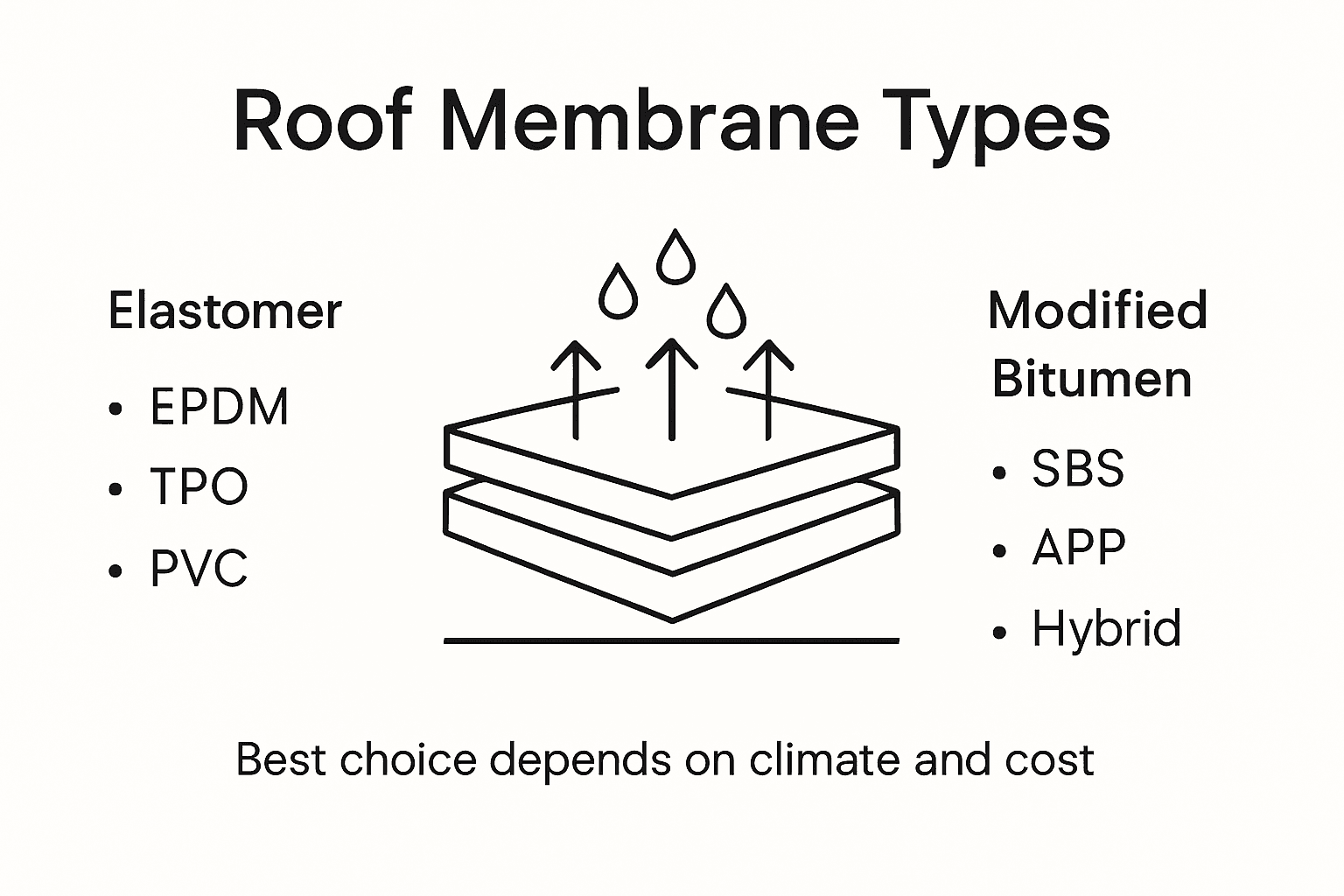
Modified bitumen membranes provide a third robust option, combining traditional asphalt roofing technologies with modern polymer modifications. Residential roofing codes specify precise installation requirements for these membranes, ensuring homeowners understand the critical nuances of proper application. Each membrane type presents distinct advantages: EPDM offers longevity, TPO provides energy efficiency, and modified bitumen delivers enhanced waterproofing capabilities. Professional assessment remains crucial in selecting the most appropriate membrane for a specific home’s architectural design, local climate conditions, and budgetary constraints.
Here’s a quick comparison of the primary residential roofing membrane types:
| Membrane Type | Best For | Key Strength | Limitation |
|---|---|---|---|
| EPDM (Rubber) | Homes with variable weather | Longevity and flexibility | May have higher initial cost |
| TPO (Thermoplastic) | Flat/low-slope roofs | Energy efficiency | Can be prone to installation errors |
| PVC (Thermoplastic) | Energy-conscious designs | Chemical and UV resistance | May degrade under certain chemicals |
| Modified Bitumen | Older or irregular roofs | Superior waterproofing | Heavier, needs precise installation |
Pro tip: Consult a local roofing professional who can perform a comprehensive roof evaluation and recommend the most suitable membrane type based on your home’s specific structural characteristics and Charlotte’s unique weather patterns.
How roofing membranes prevent leaks and damage
Roofing membranes serve as a critical defense mechanism for Charlotte homes, creating an impenetrable barrier against water infiltration and environmental damage. Modern membrane roofing technologies are engineered to form a continuous, watertight shield that protects the underlying roof structure from moisture, wind, and potential structural compromises. These advanced materials work by creating a seamless protective layer that eliminates vulnerable entry points where water might otherwise penetrate.
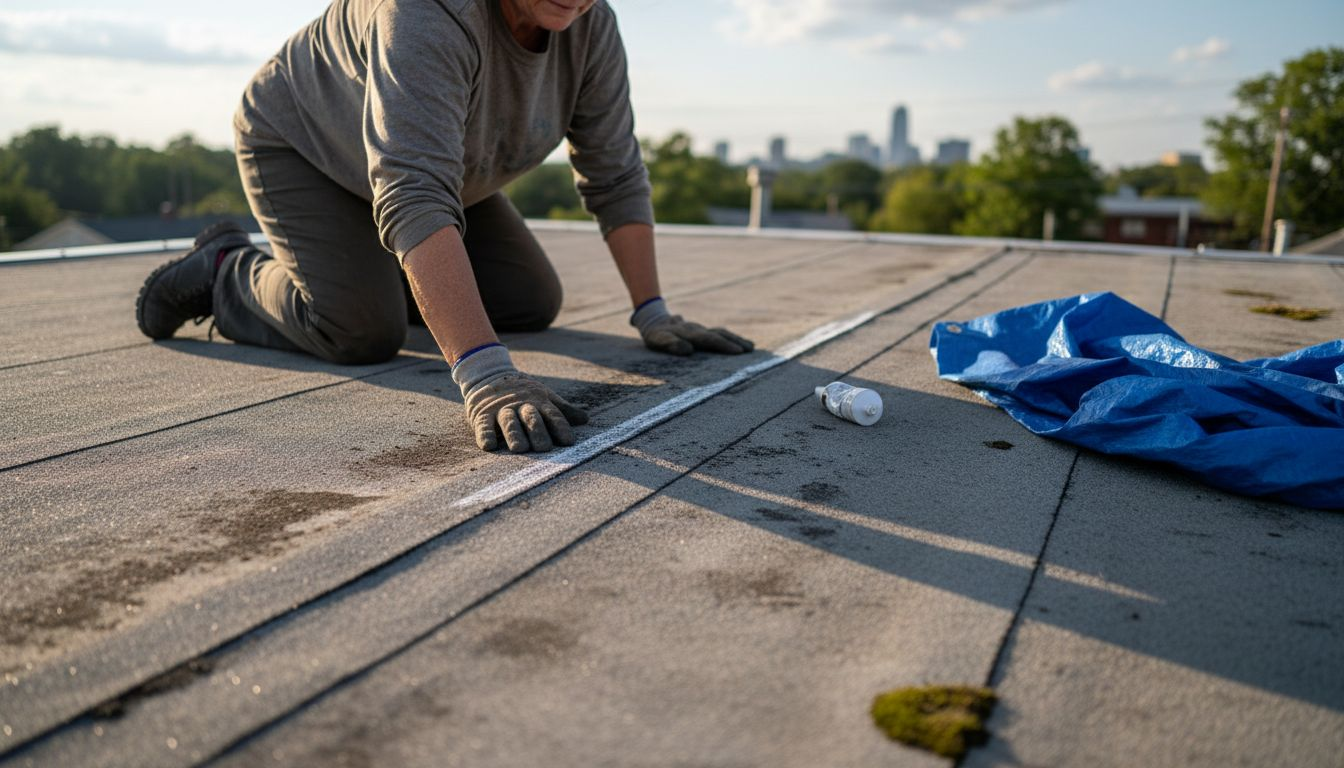
The key to effective leak prevention lies in the sophisticated design and installation of roofing membranes. Seam welding and advanced adhesive technologies play a crucial role in creating a monolithic barrier that resists water intrusion. Thermoplastic and synthetic rubber membranes are particularly effective, featuring heat-welded or chemically bonded seams that eliminate the traditional weak points found in older roofing systems. By creating a single, continuous surface, these membranes dramatically reduce the potential for water penetration, which can cause extensive damage to a home’s interior structure, insulation, and electrical systems.
Roofing performance standards establish rigorous testing protocols that ensure membranes can withstand extreme environmental conditions. These standards evaluate a membrane’s ability to resist water penetration, withstand temperature fluctuations, and maintain structural integrity under various stress conditions. For Charlotte homeowners, this means protection against heavy rainfall, intense summer heat, and potential storm damage. The membranes’ ability to expand and contract with temperature changes prevents cracking and maintains a watertight seal, providing long-term protection for the entire home.
Pro tip: Schedule annual roof inspections to identify and address potential membrane weaknesses before they develop into significant water damage problems.
Installation process and best practices
Successful roofing membrane installation requires meticulous preparation and expert technique to ensure long-lasting protection for Charlotte homes. EPDM membrane installation methods reveal three primary approaches: ballasted, mechanically attached, and fully adhered systems, each with unique considerations for residential roofing applications. Professional roofers carefully evaluate the specific roof structure, local climate conditions, and membrane material characteristics to determine the most appropriate installation strategy.
The substrate preparation represents a critical initial step in the membrane installation process. Roofing professionals must ensure the underlying roof surface is completely clean, dry, and structurally sound before applying any membrane material. This typically involves removing existing roofing materials, repairing any structural damage, and creating a smooth, even surface that allows for proper membrane adhesion. Some installations require specialized primer applications to enhance membrane bonding, particularly when working with challenging surface conditions common in older Charlotte area homes.
Modified bitumen membrane installation guidelines emphasize the critical importance of precise temperature and environmental conditions during installation. Temperature, humidity, and surface conditions can dramatically impact membrane performance, with most manufacturers specifying precise installation parameters. Professional roofers must carefully monitor these conditions, ensuring proper seam welding, chemical bonding, and overall membrane integrity. This attention to detail prevents future leaks, reduces potential warranty issues, and guarantees the membrane’s long-term protective capabilities.
Pro tip: Always request detailed documentation of the installation process, including substrate preparation photographs, material specifications, and specific installation conditions to protect your roofing investment.
Risks, costs, and maintenance tips
Roofing membranes represent a significant investment for Charlotte homeowners, with costs and performance varying dramatically based on material selection and long-term maintenance strategies. Membrane roofing risks and lifecycle analysis reveal that initial installation expenses range from $5 to $15 per square foot, depending on membrane type, roof complexity, and local labor rates. Factors like material durability, chemical resistance, and environmental adaptability play crucial roles in determining overall cost-effectiveness and long-term protection.
Environmental and performance risks require careful consideration when selecting roofing membranes. Chemical exposure and weathering potential can significantly impact membrane longevity, with some materials demonstrating superior resistance to UV radiation, temperature fluctuations, and mechanical stress. Professional roofing experts recommend conducting comprehensive evaluations of membrane compatibility with local climate conditions, considering factors like Charlotte’s humid summers and occasional severe storm systems. Potential risks include premature material degradation, reduced thermal efficiency, and increased vulnerability to water penetration if inappropriate materials are selected.
PVC membrane lifecycle analysis highlights critical maintenance practices that can dramatically extend roof performance. Homeowners should implement routine inspection protocols, including annual professional assessments, immediate repair of punctures or seam separations, and proactive cleaning to remove debris and potential moisture accumulation points. Maintenance costs typically range between $0.10 to $0.50 per square foot annually, representing a minimal investment compared to potential replacement expenses resulting from neglected roof systems.
The following summarizes typical maintenance activities and their benefits for membrane roofs:
| Maintenance Activity | Frequency | Benefit |
|---|---|---|
| Professional inspection | Every 6-12 months | Detects small issues before they worsen |
| Debris removal | Monthly | Prevents water pooling and damage |
| Seam and puncture repair | As needed | Maintains a watertight barrier |
| Surface cleaning | Twice yearly | Reduces mold and material wear |
Pro tip: Schedule professional roof inspections every six months and after major storm events to catch and address potential membrane vulnerabilities before they escalate into costly repair projects.
Comparing membranes to other solutions
Roofing solutions for Charlotte homes vary dramatically, with each material offering unique advantages and limitations. Comparative roofing system analysis reveals that roofing membranes distinguish themselves through superior water resistance, flexibility, and comprehensive protection compared to traditional materials like asphalt shingles and metal roofing. While each roofing type serves specific architectural needs, membranes provide unparalleled continuous coverage that minimizes potential water infiltration points.
Thermal performance represents another critical differentiator among roofing solutions. Membrane systems often demonstrate superior insulation capabilities compared to conventional roofing materials, with single-ply and modified bitumen options offering enhanced energy efficiency. Asphalt shingles, by contrast, typically provide less consistent thermal barriers, potentially increasing home cooling and heating expenses. Modern membrane technologies can reflect solar radiation, reduce heat absorption, and contribute to overall building energy management more effectively than traditional roofing alternatives.
Residential roofing material sustainability comparisons indicate that membrane solutions increasingly outperform competitors in long-term durability and environmental considerations. While metal roofing offers excellent longevity and asphalt shingles provide familiar, cost-effective coverage, membrane systems excel in adaptability, weight efficiency, and reduced maintenance requirements. Factors like Charlotte’s variable climate make membranes particularly attractive, as they can withstand temperature fluctuations, resist UV degradation, and maintain structural integrity under challenging environmental conditions.
Pro tip: Consider consulting a professional roofing assessment that evaluates your specific home’s architectural design, local climate challenges, and energy efficiency goals before selecting a roofing solution.
Protect Your Charlotte Home with Expert Roofing Membrane Solutions
If you are concerned about protecting your Charlotte home from leaks and water damage caused by aging or improperly installed roofing membranes it is crucial to choose the right materials and installation experts. This article highlights key challenges such as membrane durability flexibility and leak prevention that every homeowner faces in our local climate. At Liberty Roofworks we specialize in high-quality EPDM and TPO roofing and repair services tailored to withstand Charlotte’s variable weather ensuring a seamless watertight barrier for your roof.
Don’t wait until small membrane issues become costly repairs. Our team offers thorough roof inspections expert installation techniques and precise repairs that align with the best membrane roofing practices. Experience peace of mind knowing your roof is installed or restored to the highest standards with materials chosen specifically for your home’s structure and environment. Learn more about our EPDM Roofing and Repair and TPO Roofing and Repair services. Take action today by visiting Liberty Roofworks to schedule your expert roofing evaluation and protect your investment now.
Frequently Asked Questions
What are roofing membranes and how do they protect homes?
Roofing membranes are advanced protective layers that create a watertight barrier on a home’s roof, shielding it from moisture intrusion and extending roof lifespan. They effectively prevent leaks and protect the underlying structure from water damage.
What types of roofing membranes are available for residential use?
There are several primary types of roofing membranes, including single-ply elastomers like EPDM, thermoplastic materials such as PVC and TPO, and modified bitumen. Each type has unique advantages based on roof design and environmental conditions.
How do I choose the right roofing membrane for my home?
Choosing the right roofing membrane involves assessing your home’s architectural design, local climate conditions, and budget. Consulting with a local roofing professional can help you select the most suitable membrane type for your specific needs.
What are the maintenance tips for roofing membranes?
To ensure longevity, schedule professional inspections every six to twelve months, promptly repair any punctures or seam separations, remove debris monthly, and clean the surface twice a year to prevent mold and material wear.