Over 80% of American commercial buildings now rely on synthetic roofing solutions like TPO and EPDM for protection against harsh weather. Deciding between these two options matters because the right choice can extend a roof’s lifespan while keeping energy bills down. This guide highlights what makes both TPO and EPDM stand out, helping property owners understand which American roofing material delivers the best blend of durability, efficiency, and value.
Table of Contents
- What Are TPO and EPDM Roofing Materials?
- Key Differences in Material Composition
- Installation Processes for TPO and EPDM
- Durability, Longevity, and Maintenance Needs
- Cost Comparisons and Energy Efficiency Benefits
- Which Roofing Option Fits Your Needs Best
Key Takeaways
| Point | Details |
|---|---|
| Material Composition | TPO is a thermoplastic blend with superior energy efficiency, while EPDM is a synthetic rubber known for its exceptional durability and temperature resistance. |
| Installation Methods | EPDM can be installed using various methods, while TPO primarily relies on advanced heat-welding techniques for seamless installation. |
| Longevity and Maintenance | EPDM offers long-term reliability with simpler maintenance, whereas TPO provides enhanced performance with rigid seam connections but may require more monitoring. |
| Cost and Energy Efficiency | EPDM typically has a lower upfront cost, while TPO’s reflective surface leads to significant energy savings in warmer climates. |
What Are TPO and EPDM Roofing Materials?
When it comes to commercial and residential roofing solutions, TPO and EPDM represent two powerful synthetic membrane technologies designed to protect buildings from environmental challenges. These single-ply roofing materials offer unique properties that make them popular choices among property owners seeking durable and efficient roof coverings.
EPDM (Ethylene Propylene Diene Monomer) is a synthetic rubber roofing membrane characterized by its remarkable weather resistance and thermal stability. According to the United States Forest Service research, EPDM roofing utilizes large sheets of synthetic rubber sealed with specialized adhesives and tapes, providing exceptional protection against harsh environmental conditions. Typically black in color, EPDM resembles an industrial-grade inner tube and has been a staple in roofing applications for decades.
On the other hand, TPO (Thermoplastic Polyolefin) represents a more modern roofing approach. Home inspector studies indicate that TPO is usually white, giving it a distinctive appearance similar to a swimming pool liner. This material combines polypropylene and ethylene-propylene rubber to create a highly reflective membrane that is heat-welded for superior durability. The white color of TPO provides an additional benefit of enhanced energy efficiency by reflecting sunlight and reducing heat absorption.
Both roofing materials offer distinct advantages that make them suitable for different property types and environmental conditions. While EPDM excels in extreme temperature resistance and long-term durability, TPO provides superior energy efficiency and a more modern aesthetic. Understanding the unique characteristics of these materials helps property owners make informed decisions about their roofing investments.
Key Differences in Material Composition
The material composition of TPO and EPDM roofing membranes reveals significant variations that impact their performance, durability, and suitability for different architectural environments. Understanding these fundamental differences helps property owners make informed decisions about their roofing investments.
Synthetic rubber research from the United States Forest Service highlights the core distinctions between these two roofing materials. EPDM is a pure synthetic rubber compound characterized by its exceptional flexibility and inherent weather resistance. This material consists of ethylene, propylene, and diene monomers, creating a robust rubber-like membrane that can withstand extreme temperature fluctuations and environmental stressors.
In contrast, TPO represents a more complex thermoplastic blend that combines polypropylene and ethylene-propylene rubber. Unlike the uniform composition of EPDM, home inspector studies reveal that TPO’s multilayered structure enables unique performance characteristics. The thermoplastic nature of TPO allows for heat-welded seams, providing superior fusion and potentially enhanced leak resistance compared to traditional adhesive-sealed membranes.
The material differences extend beyond chemical composition to practical applications. EPDM’s rubber-based structure makes it highly elastic and capable of accommodating building movements, while TPO’s thermoplastic blend offers improved puncture resistance and a more modern, reflective surface. These compositional nuances mean that each material excels in different environmental conditions, making the choice between TPO and EPDM dependent on specific project requirements, climate considerations, and long-term performance expectations.
Installation Processes for TPO and EPDM
Installing TPO and EPDM roofing membranes requires specialized techniques that differ significantly based on their unique material properties. Property owners and roofing professionals must understand these nuanced installation processes to ensure optimal performance and long-term durability of the roofing system.
Forest Service research on roofing membranes reveals three primary installation methods for EPDM roofing: ballasted, mechanically attached, and fully adhered. In the ballasted method, large rubber sheets are loosely laid and secured with stone or gravel weights. Mechanically attached installations use fasteners to secure the membrane directly to the roof deck, while fully adhered methods involve complete bonding of the membrane to the substrate using specialized adhesives. Seam connections in EPDM installations are typically sealed using high-grade adhesive tapes or liquid adhesives, creating a watertight barrier.
Home inspector studies indicate that TPO installation processes differ significantly, primarily relying on heat-welding techniques. Professional roofers use sophisticated hot-air welding equipment to create seamless, monolithic roofing surfaces. This heat-welding process melts the membrane edges together, forming incredibly strong and waterproof connections that exceed traditional adhesive methods. The precision required for TPO installations demands specialized training and advanced equipment, making professional installation crucial for achieving optimal results.
The installation complexity varies between these two roofing systems, with each presenting unique challenges. EPDM offers more flexibility in installation methods, accommodating different roof structures and conditions, while TPO demands more precise, equipment-intensive techniques. Property owners should carefully consider these installation requirements when selecting a roofing membrane, understanding that the right installation process is as critical as the material selection itself.
Durability, Longevity, and Maintenance Needs
Durability and maintenance requirements represent critical considerations when selecting between TPO and EPDM roofing systems, directly impacting a property’s long-term protection and financial investment. Property owners must carefully evaluate each material’s performance characteristics to make an informed decision that balances initial costs with long-term reliability.
EPDM roofing studies demonstrate exceptional long-term performance, with documented installations maintaining structural integrity for decades. The synthetic rubber membrane offers remarkable resistance against environmental stressors, including ultraviolet radiation, temperature fluctuations, and severe weather conditions. One of EPDM’s most significant advantages is its ease of repair, allowing property owners to address minor damages without extensive specialized intervention or complete membrane replacement.
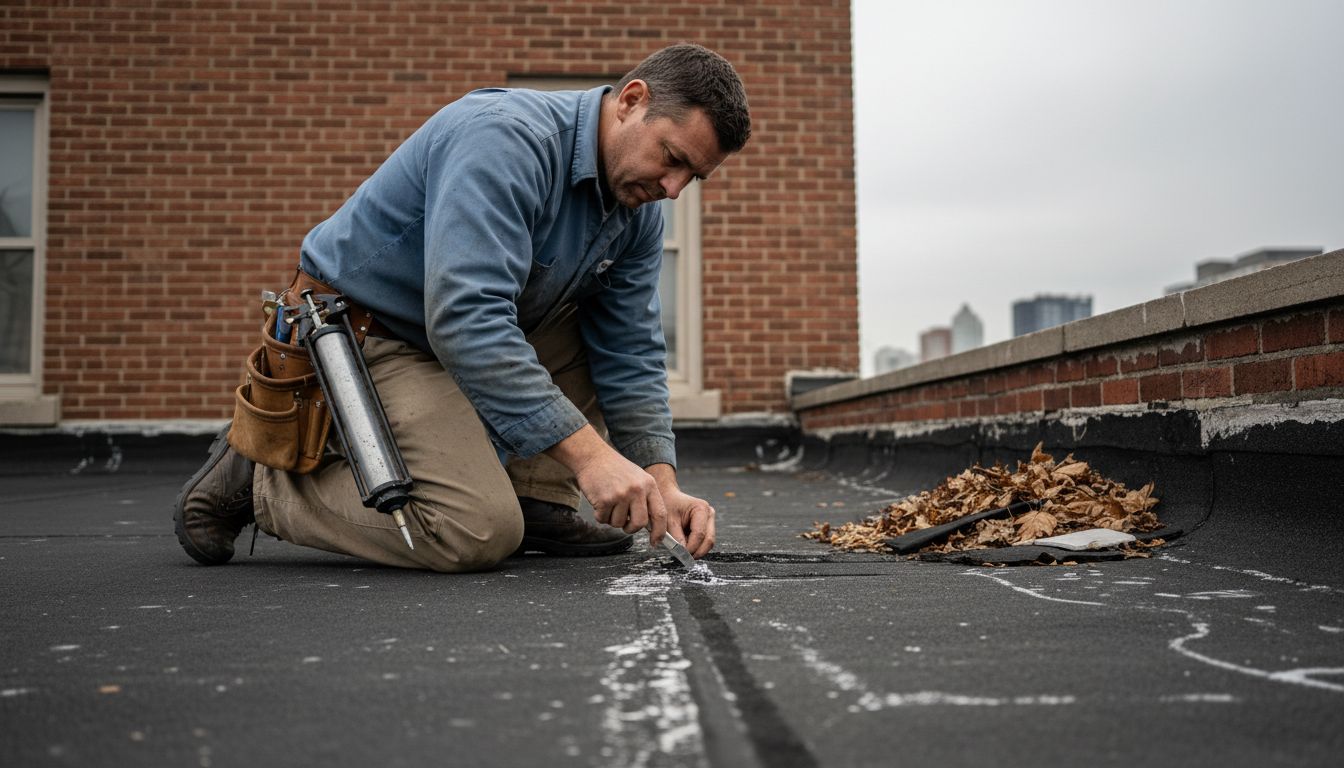
Comparative roofing research reveals that TPO roofing systems excel in durability through their advanced heat-welded seam technology, which creates virtually impenetrable connections between membrane sections. While EPDM typically maintains performance for approximately 25 years, TPO membranes provide comparable longevity with enhanced puncture resistance and improved thermal stability. The heat-welded seams of TPO roofing significantly reduce potential leak points, offering property owners increased confidence in their roofing system’s structural reliability.
Maintenance strategies differ between these two roofing materials, with EPDM requiring periodic inspections and minimal interventions, while TPO demands more proactive monitoring of its heat-welded seams. Property owners should consider their specific environmental conditions, budget constraints, and maintenance capabilities when selecting between these robust roofing solutions. Regular professional inspections, prompt repairs, and understanding each material’s unique characteristics will maximize the longevity and performance of either TPO or EPDM roofing systems.
Cost Comparisons and Energy Efficiency Benefits
Roofing materials represent a significant investment for property owners, with TPO and EPDM offering distinct financial and energy performance characteristics that extend far beyond their initial installation costs. Understanding the nuanced economic implications of these roofing systems requires a comprehensive analysis of upfront expenses, long-term maintenance, and potential energy savings.
TPO roofing systems distinguish themselves through remarkable energy efficiency, particularly in commercial and industrial applications. The typically white or light-colored membrane reflects substantial amounts of solar radiation, reducing heat absorption and dramatically lowering cooling expenses during warmer months. This reflective property can translate into significant energy cost reductions, with some property owners reporting up to 30% decrease in cooling-related electricity expenses. The material’s inherent thermal properties mean that buildings remain cooler, reducing strain on HVAC systems and potentially extending the lifespan of interior cooling infrastructure.
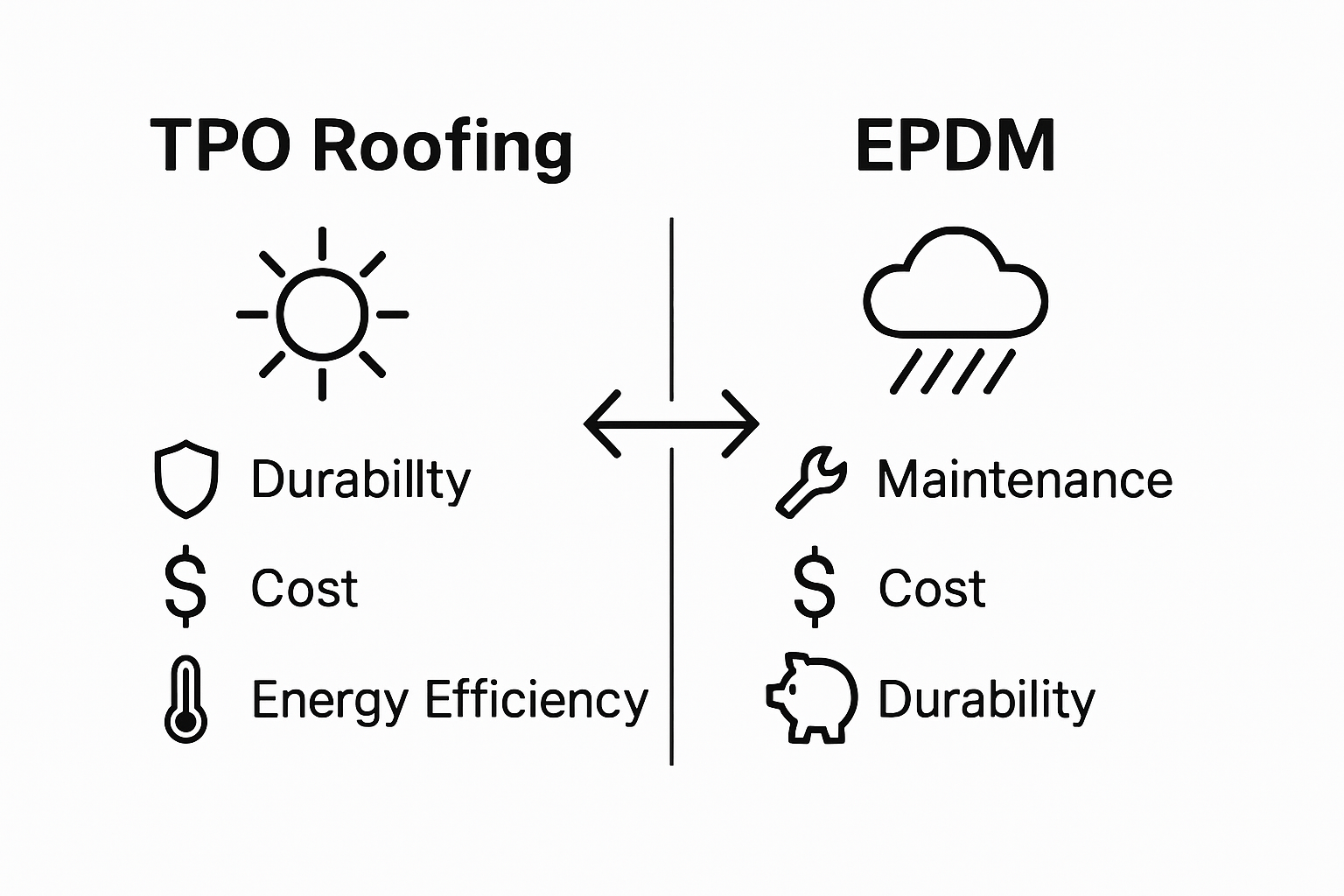
Liberty Roofworks’ understanding of preventative roofing maintenance highlights that EPDM membranes offer a more economical initial installation cost compared to TPO. While TPO provides superior energy efficiency, EPDM presents a more budget-friendly upfront investment with excellent long-term durability. The dark-colored EPDM membrane absorbs more heat, which can be advantageous in colder climates by reducing winter heating expenses. Property owners must carefully balance regional climate conditions, energy costs, and their specific thermal management requirements when selecting between these two roofing technologies.
Cost comparisons between TPO and EPDM extend beyond material and installation expenses to include ongoing maintenance, repair potential, and energy performance. TPO typically ranges between $5.50 to $8.50 per square foot installed, while EPDM costs approximately $4.50 to $7.50 per square foot. The slight price variation reflects differences in material complexity, installation requirements, and long-term performance characteristics. Ultimately, the most cost-effective solution depends on specific property needs, local climate conditions, and individual energy efficiency goals.
Which Roofing Option Fits Your Needs Best
Choosing between TPO and EPDM roofing requires a strategic evaluation of your specific property characteristics, environmental conditions, and long-term performance expectations. Property owners must conduct a comprehensive assessment that goes beyond surface-level comparisons to understand which membrane will provide optimal protection and value.
Liberty Roofworks’ guide on roofing material selection suggests considering several critical factors when determining the ideal roofing solution. Climate plays a pivotal role in this decision. Properties located in regions with extreme temperature variations might benefit more from EPDM’s superior thermal stability, while buildings in warmer climates could leverage TPO’s exceptional solar reflectivity. Commercial facilities with large, flat roof surfaces often find TPO’s energy-efficient properties particularly advantageous, whereas residential structures might appreciate EPDM’s proven durability and cost-effectiveness.
Key decision-making criteria should include regional weather patterns, building usage, budget constraints, and long-term maintenance capabilities. For properties in hot, sunny environments, TPO’s white reflective surface can significantly reduce cooling expenses. Conversely, buildings in colder regions might find EPDM’s heat-absorption characteristics more beneficial during winter months. Additional considerations include roof slope, potential foot traffic, and proximity to environmental stressors like industrial emissions or coastal salt air.
Ultimately, no universal solution exists that perfectly fits every scenario. Property owners should consult professional roofing specialists who can conduct a detailed site assessment, taking into account unique structural requirements, budget limitations, and performance expectations. A thorough evaluation that considers installation costs, energy efficiency, maintenance needs, and expected lifespan will guide you toward the most appropriate roofing membrane for your specific property.
Discover the Perfect Roofing Solution for Your Property
Choosing between TPO and EPDM roofing materials can feel overwhelming when you consider factors like durability, installation methods, energy efficiency, and maintenance needs. If you are concerned about finding a roofing system that balances long-term performance with budget-friendly options while meeting your property’s unique climate challenges, you are not alone. This decision is critical because your roof protects everything beneath it and impacts your energy costs significantly.
At Liberty Roofworks, we understand these challenges and are committed to guiding you through selecting and installing the best roofing membrane for your home or commercial building. Whether you need expert advice on TPO Roofing & Repair or comprehensive service for EPDM Roofing and Repair, our experienced team delivers top-tier craftsmanship and customer satisfaction in Charlotte, NC. Don’t wait for small issues to turn into costly problems. Explore how our proven solutions can protect your investment today by visiting Liberty Roofworks.
Ready to secure a roof that fits your specific needs with expert installation and maintenance? Contact us now to get a free consultation and take the first step toward durable, efficient roofing. Learn more about our offerings for New Roof Installations and Commercial Roof Repair and discover why so many property owners trust Liberty Roofworks to deliver roofing done right.
Frequently Asked Questions
What are the main differences between TPO and EPDM roofing materials?
TPO (Thermoplastic Polyolefin) is a thermoplastic membrane known for its reflective properties and energy efficiency, while EPDM (Ethylene Propylene Diene Monomer) is a synthetic rubber known for its durability and flexibility. TPO typically features heat-welded seams, making it easier to install without leaks, whereas EPDM uses adhesives for bonding.
How long can I expect TPO and EPDM roofs to last?
EPDM roofs can last up to 25 years with proper maintenance, while TPO roofs also offer similar longevity with potentially better performance due to heat-welded seams that reduce leak points. Both materials require regular inspections to maintain their integrity over time.
What are the maintenance requirements for TPO and EPDM roofing systems?
EPDM generally requires periodic inspections and minimal repairs, while TPO needs proactive monitoring of its heat-welded seams to ensure watertightness. Property owners should address any issues promptly to extend the lifespan of both roofing systems.
Which roofing material is more energy efficient, TPO or EPDM?
TPO is recognized for its superior energy efficiency due to its white or light-colored surface, which reflects solar radiation and helps lower cooling costs in warmer weather. EPDM, while less reflective, can still help reduce heating costs in colder climates due to its dark color absorbing heat. Its energy performance will depend on the local climate conditions.