Most American homeowners in Charlotte will face roof damage from storms at some point, yet nearly 60 percent do not fully understand what a roofing contract should include. When severe weather hits, clarity on contract details can protect your investment and prevent misunderstandings with contractors. This guide highlights the essentials every Charlotte resident must know before signing any agreement for roof repairs or replacements.
Table of Contents
- Defining A Roofing Contract For Homeowners
- Types Of Roofing Contracts After Storm Damage
- Essential Clauses Every Contract Should Include
- Legal Protections For North Carolina Residents
- Homeowner Obligations And Common Pitfalls
Key Takeaways
| Point | Details |
|---|---|
| Importance of Roofing Contracts | A roofing contract outlines terms between the homeowner and contractor, including project scope, materials, and costs, ensuring clarity and protection. |
| Types of Contracts After Storm Damage | Homeowners should understand contract types like emergency repair and comprehensive restoration, which address urgent and long-term needs. |
| Essential Contract Clauses | Contracts must include clauses on scope, payment, and warranties to protect both parties and clarify expectations. |
| Homeowner Responsibilities | Homeowners should verify contractor credentials, maintain clear communication, and document all interactions to avoid common pitfalls. |
Defining a Roofing Contract for Homeowners
A roofing contract is a legally binding document that establishes the precise terms and expectations between a homeowner and roofing contractor. Essentially, this agreement outlines the specific work to be performed, materials to be used, project timeline, total cost, and critical responsibilities for both parties. Comprehensive roofing contracts serve as critical protection mechanisms that ensure transparency, quality, and accountability throughout the roofing project.
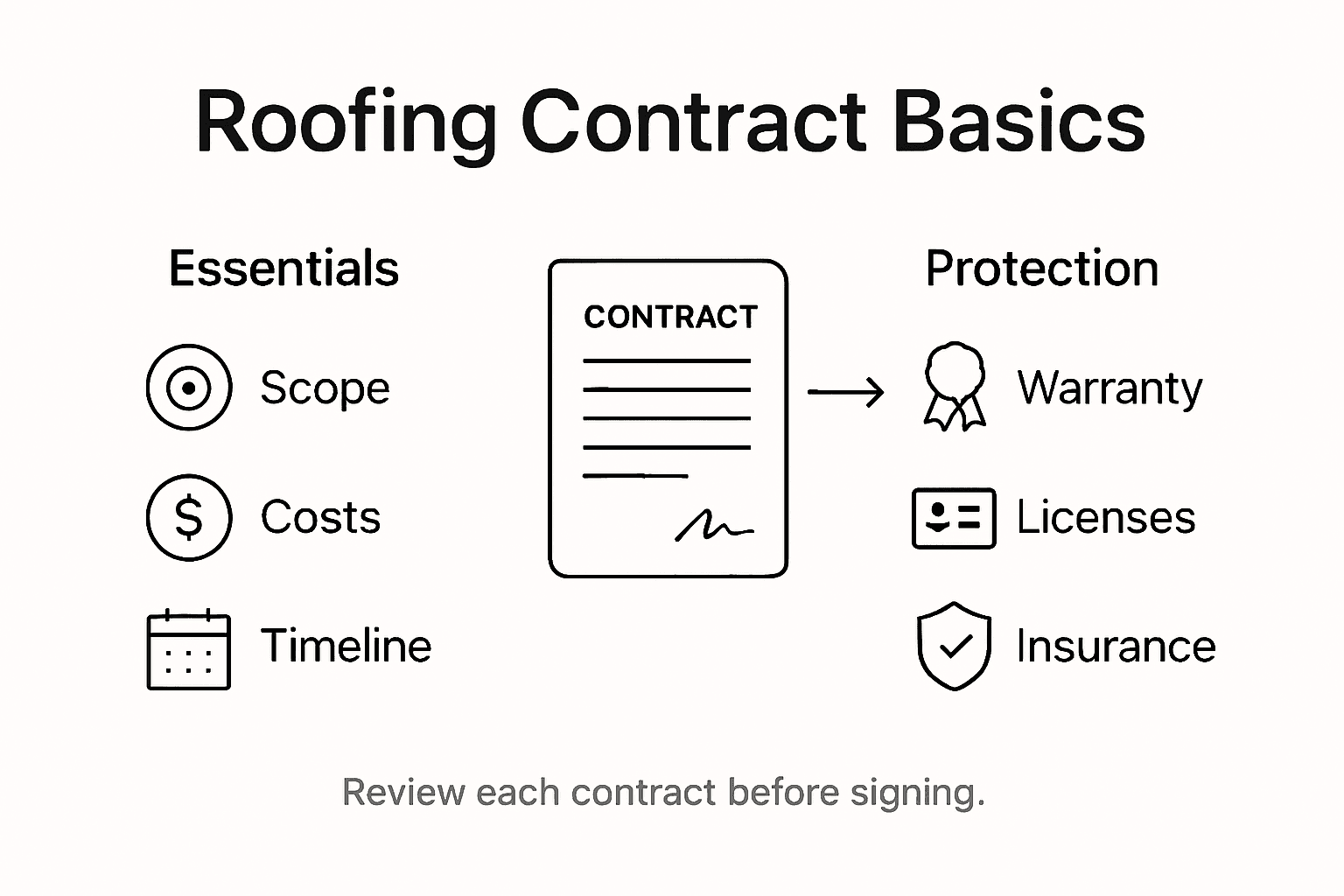
Roofing contracts typically include several key components that define the project’s scope and expectations. These components usually encompass detailed descriptions of the work, including specific repair or replacement areas, types of materials to be installed, exact labor specifications, and anticipated project duration. The contract will also specify payment terms, warranty information, and critical clauses related to potential additional work or unexpected complications. By establishing these parameters upfront, homeowners can avoid misunderstandings and protect themselves from potential financial or structural risks.
From a legal standpoint, a well-crafted roofing contract serves as more than just a financial agreement. Contractual agreements in residential construction function as official documentation that outlines each party’s rights, responsibilities, and potential recourse in case of disputes. This includes specifying insurance requirements, licensing verification, and potential remedies if the contracted work does not meet agreed-upon standards. For homeowners in Charlotte, North Carolina, understanding these contractual nuances is particularly important given the region’s susceptibility to storm damage and complex roofing challenges.
Pro tip: Always request a detailed, written contract that includes specific line items for materials, labor costs, project timeline, and warranty information before signing any roofing agreement.
Types of Roofing Contracts After Storm Damage
Storm damage presents unique challenges for homeowners, requiring specialized roofing contract types that address immediate and long-term repair needs. Emergency restoration contracts are designed to provide rapid response and temporary stabilization of roof damage, typically focusing on preventing further structural deterioration. These contracts often include critical provisions for urgent repairs, temporary protective measures, and initial damage assessment to mitigate additional risks.
Homeowners can typically choose between several distinct contract approaches after storm damage. The first is an emergency repair contract, which provides immediate intervention to prevent water intrusion and further structural compromise. A second type is a comprehensive restoration contract, which covers complete roof replacement or extensive repairs. Legal contracts for storm recovery often include specialized clauses that address insurance claim processes, force majeure provisions, and specific documentation requirements unique to storm damage scenarios. These contracts protect both the homeowner and contractor by clearly defining scope, responsibilities, and potential contingencies.
In the Charlotte, North Carolina region, storm damage contracts frequently incorporate specific regional considerations. This includes detailed assessments of wind and hail damage, provisions for insurance claim coordination, and clear timelines for repair or replacement. Advanced contracts may also include additional protections such as extended warranties, comprehensive material guarantees, and specific protocols for unexpected complications discovered during the repair process. Homeowners should carefully review these contract variations to ensure complete protection and understanding of the proposed repair strategy.
Here is a summary comparison of common roofing contract types after storm damage:
| Contract Type | Main Purpose | Typical Provisions | Ideal Use Case |
|---|---|---|---|
| Emergency Repair | Prevent further roof deterioration | Temporary patching and rapid response | Immediate post-storm intervention |
| Comprehensive Restoration | Full repair or replacement | Material upgrades and timeline details | Major damage from severe storms |
| Insurance-Focused | Streamline claim process | Coverage verification and documentation | Projects relying on insurance funds |
| Extended Warranty | Long-term protection | Material/labor guarantees | Areas with frequent severe weather |
Pro tip: Request a detailed storm damage contract that explicitly outlines emergency response timelines, specific repair methodologies, and comprehensive insurance claim documentation procedures.
Essential Clauses Every Contract Should Include
A comprehensive roofing contract must include several critical clauses that protect both the homeowner and contractor. Required contract elements establish clear expectations and legal protections for all parties involved. These essential components typically outline the precise scope of work, detailing every aspect of the roofing project from initial assessment to final cleanup, ensuring no ambiguity exists about the expected services and deliverables.
Financial and procedural clauses form the backbone of a robust roofing contract. Home improvement contract guidelines recommend including detailed payment schedules, comprehensive warranty information, and explicit change order processes. Key components should encompass specific payment milestones, material specifications, exact project timelines, and clear provisions for handling unexpected complications. Homeowners should look for contracts that outline precise terms for material quality, labor standards, and contingency plans for potential issues discovered during the roofing process.
In the Charlotte, North Carolina region, specialized contract clauses become particularly important due to the area’s susceptibility to severe weather conditions. Advanced contracts should include provisions for insurance claim coordination, specific warranties addressing wind and hail damage, and detailed documentation requirements. Additional critical clauses might cover licensing verification, proof of contractor insurance, dispute resolution mechanisms, and explicit cancellation rights. Homeowners must carefully review each clause to ensure comprehensive protection against potential risks, unexpected costs, and potential contractor performance issues.
The following table summarizes essential contract clauses and their homeowner benefits:
| Clause Type | What It Covers | Homeowner Benefit |
|---|---|---|
| Scope of Work | All planned services | Avoids project misunderstandings |
| Payment Schedule | When and how to pay | Prevents payment disputes |
| Warranty Terms | Coverage period, exclusions | Ensures post-project support |
| Licensing & Insurance | Proof of qualifications | Reduces risk of fraud or poor work |
| Change Order Process | Modifications and approvals | Controls extra costs |
Pro tip: Carefully review each contract clause with a highlighter, marking specific terms related to payment, warranty, scope of work, and potential additional costs to ensure complete understanding before signing.
Legal Protections for North Carolina Residents
North Carolina homeowners have robust legal safeguards designed to protect them during roofing projects. Consumer protection guidelines provide critical defense mechanisms against unscrupulous contractors and ensure residents can make informed decisions about roof repairs and replacements. These protections cover essential aspects such as contractor licensing, cancellation rights, insurance claim procedures, and requirements for transparent contractual agreements that clearly outline project scope and financial expectations.
The state’s legal framework establishes strict standards for roofing contractors through comprehensive licensing requirements. Contractor licensing regulations mandate specific qualifications that professionals must meet, including documented experience, financial stability, and adherence to professional standards. These regulations protect homeowners by ensuring that only qualified professionals can legally perform roofing work, reducing the risk of substandard repairs or potential fraud. Importantly, these legal protections provide clear complaint processes and enforcement mechanisms if contractors fail to meet established professional standards.
Specific legal provisions in North Carolina address unique regional challenges, particularly in storm-prone areas like Charlotte. The state requires contractors to provide detailed documentation, maintain proper insurance, and follow transparent pricing and contract guidelines. Homeowners have the right to cancel contracts within a specified window, request comprehensive written estimates, and seek legal recourse if contractors fail to meet agreed-upon terms. Additional protections include requirements for contractors to explain warranty terms, provide proof of licensing, and disclose potential additional costs before beginning any work.
Pro tip: Always verify a contractor’s state license number and check their complaint history before signing any roofing contract to ensure maximum legal protection.
Homeowner Obligations and Common Pitfalls
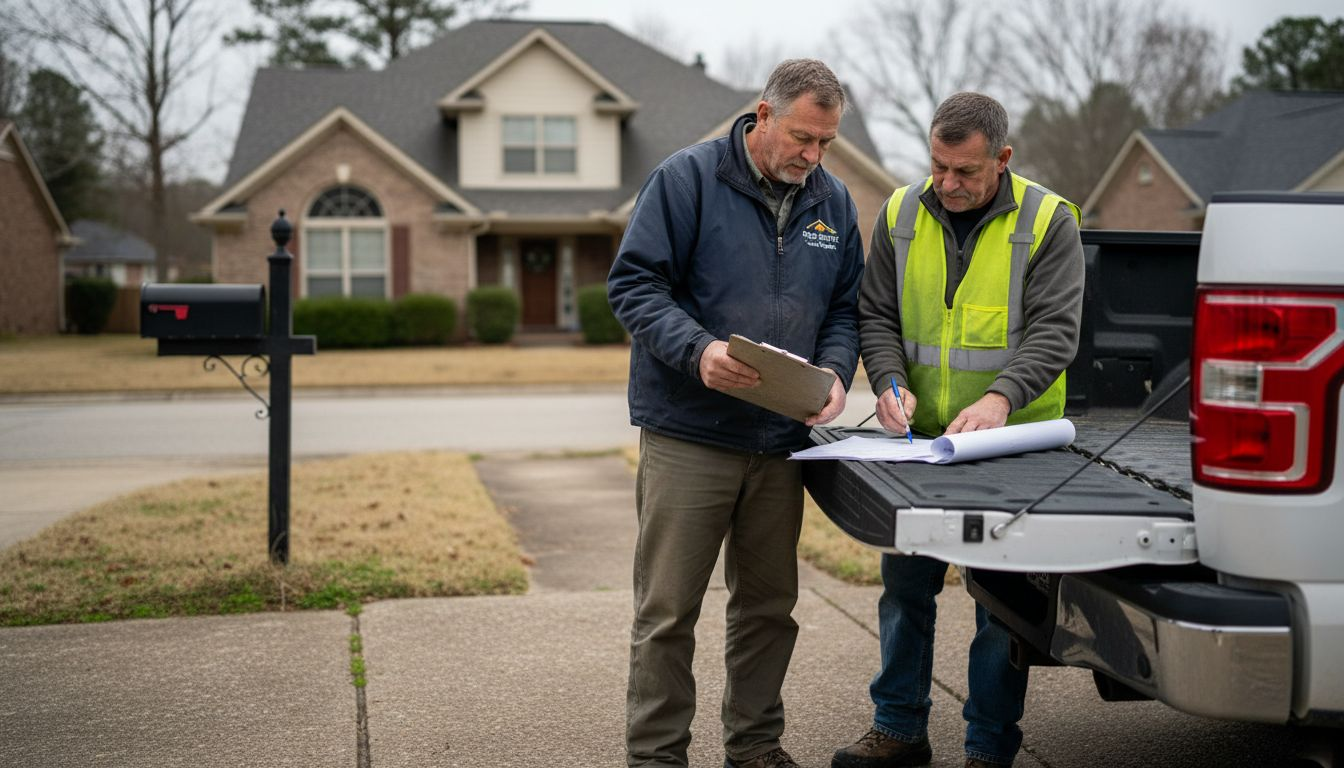
Roofing projects involve critical homeowner responsibilities that can significantly impact project success and financial outcomes. Effective contractor interaction strategies emphasize the importance of meticulous documentation, clear communication, and proactive project management. Homeowners must thoroughly understand their contract, ask detailed questions about project scope, and maintain comprehensive records of all discussions, agreements, and proposed work modifications to protect their interests and ensure successful roof repairs or replacements.
Common pitfalls in roofing contracts often stem from inadequate preparation and insufficient due diligence. Homeowners frequently make critical mistakes such as failing to verify contractor credentials, accepting verbal agreements without written documentation, and neglecting to understand the full scope of proposed work. Critical obligations include researching potential contractors, requesting and comparing multiple written estimates, checking references and licensing status, and carefully reviewing all contract terms before signing. Understanding potential additional costs, warranty limitations, and specific project timelines can prevent unexpected financial surprises and potential legal complications.
In the Charlotte, North Carolina region, homeowners face unique challenges related to storm damage and complex roofing requirements. Successful project management requires a comprehensive approach that includes obtaining multiple professional assessments, understanding insurance claim processes, and maintaining detailed documentation of all roof-related communications and agreements. Homeowners should be prepared to ask specific questions about material quality, installation techniques, cleanup procedures, and potential contingencies. This proactive approach helps mitigate risks, ensures transparency, and establishes clear expectations for both the homeowner and the roofing contractor.
Pro tip: Create a dedicated project folder containing all contract documents, communications, estimates, and photographs to maintain a comprehensive record throughout your roofing project.
Secure Your Roofing Project with Clear Contracts and Trusted Experts
Understanding the importance of a detailed roofing contract can save you from costly surprises and stress during your roof repair or replacement. This article highlights key concerns homeowners face such as clear scope of work, payment schedules, warranty terms, and insurance claim coordination especially after storm damage in Charlotte, North Carolina. At Liberty Roofworks, we recognize how crucial these contract details are to your peace of mind and project success.
We go beyond just providing quality residential and commercial roofing services by ensuring every agreement is transparent, comprehensive, and tailored to your needs. From storm damage repair to full roof replacements, we prioritize clear communication and legal protections so you feel confident every step of the way. Don’t let ambiguous contracts put your home at risk. Visit Liberty Roofworks to learn more about how we can safeguard your investment and deliver exceptional roofing solutions you can trust. Act now to secure your roofing project with reliable expertise and crystal-clear contracts.
Frequently Asked Questions
What is a roofing contract?
A roofing contract is a legally binding document that outlines the terms of agreement between a homeowner and a roofing contractor, detailing the work to be performed, materials to be used, project timeline, and total cost.
Why is a roofing contract important?
A roofing contract is important because it provides transparency, protects both parties, and ensures accountability throughout the roofing project, reducing the risk of misunderstandings and unexpected costs.
What should be included in a roofing contract?
A roofing contract should include the scope of work, payment schedule, warranty information, clauses for additional work, insurance requirements, and detailed timelines for project completion.
What are the common pitfalls homeowners face in roofing contracts?
Common pitfalls include failing to verify contractor credentials, not obtaining written estimates, overlooking the specifics of the contract, and neglecting to understand potential additional costs associated with the project.