Clogged gutters often turn a rainy day in Charlotte into a serious headache for homeowners. In our humid North Carolina climate, unchecked water flow from blocked channels can put your roof and foundation at risk for costly damage. Effective gutter systems do more than move water—they protect your home by channeling rainwater away from key structures, greatly reducing risks like wood rot, mold, and foundation problems. Find out how reliable gutter maintenance can keep your roof strong for years to come.
Table of Contents
- What Gutters Do For Roof Protection
- Types Of Gutters And Their Benefits
- How Gutters Prevent Water Damage
- Common Gutter Issues That Threaten Roofs
- Maintenance Tips For Longevity And Safety
Key Takeaways
| Point | Details |
|---|---|
| Importance of Gutters | Gutters protect homes from water damage by redirecting rainwater away from critical structures, thus maintaining the roof’s longevity and structural integrity. |
| Gutter Types and Materials | Homeowners should choose gutter materials based on durability, maintenance needs, and aesthetic preferences, considering options like aluminum, copper, and vinyl. |
| Common Gutter Issues | Regular inspections are vital to prevent problems like debris accumulation, rust, and misalignment, which can lead to severe structural damage if not addressed. |
| Maintenance Best Practices | Establish a consistent maintenance schedule, including cleaning and inspections, to ensure optimal gutter performance and protect your home from potential water damage. |
What Gutters Do For Roof Protection
Gutters are critical defensive systems for protecting your home’s roof and structural integrity in Charlotte’s dynamic climate. These essential channels serve far more than a simple water diversion purpose – they are sophisticated architectural guardians preventing extensive water damage and maintaining your roof’s long term health.
At their core, gutters perform a vital water management function by channeling rainwater away from critical building structures. When functioning correctly, they prevent water from cascading directly down exterior walls or pooling around foundation areas. This redirection is crucial because uncontrolled water flow can cause significant problems like soil erosion, foundation weakening, and moisture penetration that compromise your home’s structural stability.
Proper gutter systems protect multiple aspects of your roof and home. They prevent water from seeping under shingles, which can lead to wood rot, mold growth, and gradual deterioration of roof decking. By maintaining clean metal flashing and debris-free channels, homeowners can significantly reduce risks of water infiltration and potential structural damage. Charlotte’s humid subtropical climate makes these protective measures especially important, as consistent rainfall and occasional intense storms can quickly overwhelm poorly maintained drainage systems.
Pro Tip: Schedule professional gutter inspections twice annually to ensure optimal water management and prevent potential roof damage before expensive repairs become necessary.
Types of Gutters and Their Benefits
Homeowners in Charlotte have multiple gutter options, each designed to provide optimal roof protection and water management. Different gutter materials offer unique advantages depending on architectural style, climate considerations, and budget requirements. Understanding these variations helps homeowners make informed decisions about their home’s drainage system.
Aluminum gutters represent the most popular choice for residential properties, prized for their lightweight construction and rust resistance. Seamless aluminum gutters are particularly effective, minimizing potential leak points and providing smooth water channeling. In contrast, copper gutters offer exceptional durability and aesthetic appeal, developing a distinctive patina over time that can enhance a home’s architectural character. Galvanized steel gutters provide robust performance for homes requiring maximum structural integrity, while vinyl options present a budget-friendly alternative with reasonable weather resistance.
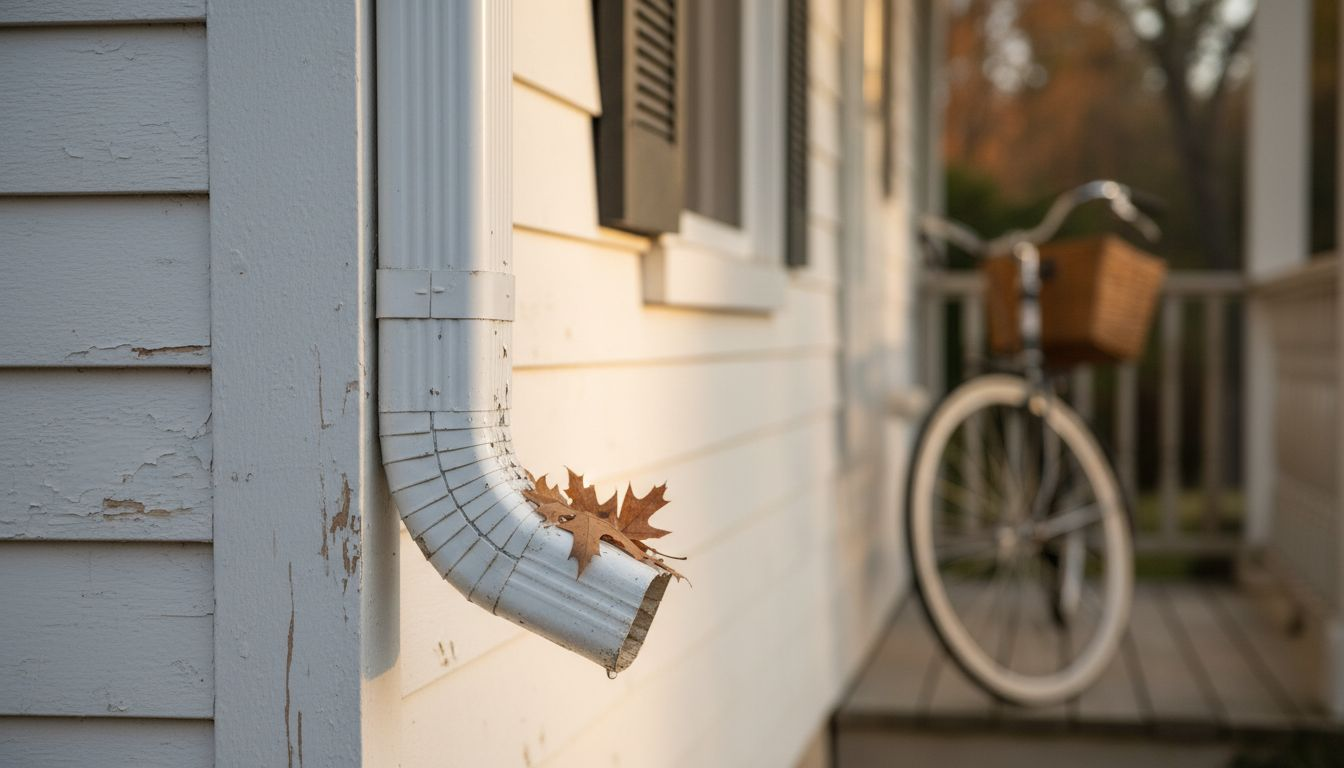
The selection of gutter type extends beyond material considerations. Homeowners must evaluate installation methods like K-style gutters with their decorative crown molding profile, half-round gutters offering classic European styling, or box gutters integrated directly into roof eaves. Each configuration provides distinct water management capabilities, with factors like roof pitch, local rainfall intensity, and architectural design playing crucial roles in determining the most suitable approach. For Charlotte residents, this means considering our region’s substantial annual rainfall and occasional severe storm conditions when making gutter selections.
Here’s a quick comparison of common gutter materials and their main considerations for Charlotte homeowners:
| Material | Durability | Maintenance Needs | Visual Appeal |
|---|---|---|---|
| Aluminum | High, rust resistant | Low, easy to clean | Modern appearance |
| Copper | Extremely long-lasting | Moderate, patina forms | Distinctive, high-end look |
| Galvanized Steel | Very durable, can rust | Moderate, needs painting | Traditional, utilitarian look |
| Vinyl | Fair, may crack | Low, rarely corrodes | Simple, blend-in design |
Pro Tip: Consult a professional roofing contractor to assess your specific home’s gutter needs, as custom recommendations can prevent potential water damage and extend your roof’s overall lifespan.
How Gutters Prevent Water Damage
Water damage represents one of the most insidious threats to residential structures, and gutters play a critical role in preventing structural deterioration. By systematically channeling rainwater away from your home’s critical zones, gutters act as the first line of defense against moisture-related destruction that can compromise your property’s integrity and value.
The primary mechanism of water damage prevention involves strategic water redirection. Properly sized gutters protect foundations by managing runoff, ensuring that water does not pool around your home’s base or seep into basement areas. In Charlotte’s variable climate, this becomes especially crucial. When gutters function correctly, they prevent soil erosion around the foundation, minimize the risk of basement flooding, and protect against potential structural weakness caused by persistent moisture exposure.
Beyond foundation protection, gutters safeguard multiple aspects of your home’s exterior. They prevent water from cascading directly down exterior walls, which can cause paint damage, wood rot, and create environments conducive to mold and mildew growth. By directing water through downspouts that extend several feet from the house, gutters create a critical buffer zone that protects landscaping, prevents soil displacement, and maintains the overall structural health of your residential property. The complex interplay between roof, gutters, and ground drainage represents a sophisticated water management system that Charlotte homeowners must carefully maintain.
Pro Tip: Inspect your gutter system quarterly and after major storms to quickly identify and address potential blockages or damage that could compromise water management.
Common Gutter Issues That Threaten Roofs
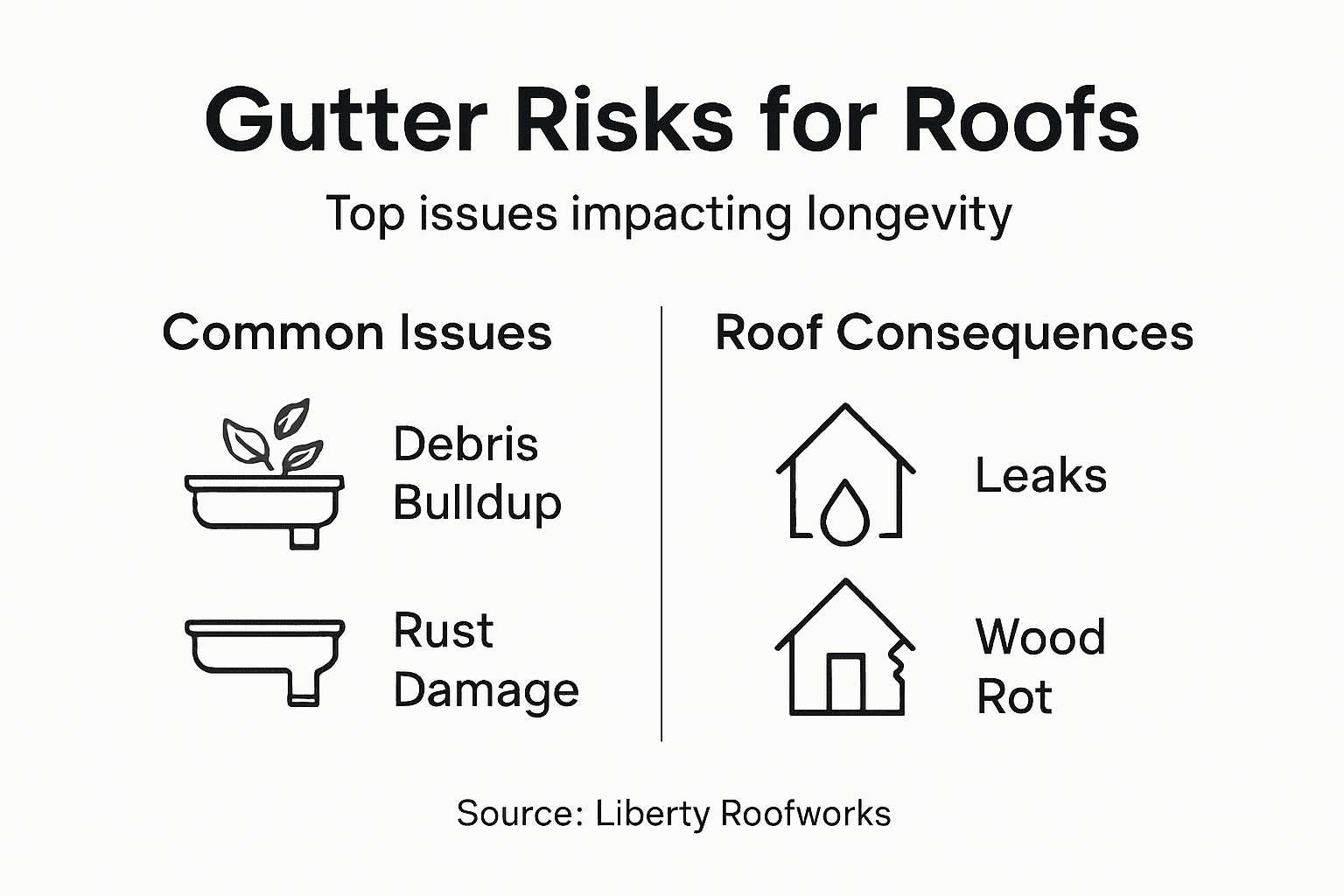
Homeowners in Charlotte face numerous gutter-related challenges that can compromise roof integrity and lead to significant structural damage. Common gutter problems create serious risks for roof structures, ranging from minor leaks to extensive water penetration that can undermine entire roofing systems.
Debris accumulation represents one of the most prevalent issues threatening gutter functionality. Leaves, twigs, and organic matter can quickly create blockages that prevent water from flowing freely, causing overflow and potential water damage. These blockages force water to back up and seep under roofing materials, potentially causing wood rot, mold growth, and structural weakening. Clogged gutters can lead to significant roof and foundation damage when left unaddressed, with water finding unexpected pathways into critical structural components.
Additional critical gutter issues include physical damage like rust, holes, and improper installation. Gutters with failed solder joints, erosion, or incorrect slope can create persistent water management problems. In Charlotte’s variable climate, these issues become even more pronounced, with seasonal temperature changes and frequent storms putting additional stress on gutter systems. Rusted sections, small punctures, and misaligned gutter segments can transform what should be a protective system into a source of potential water infiltration and roof damage.
Pro Tip: Conduct a comprehensive gutter inspection twice annually, ideally during spring and fall, to identify and address potential issues before they escalate into costly roof repairs.
Maintenance Tips for Longevity and Safety
Maintaining gutters is an essential aspect of home preservation that requires consistent and strategic attention. Regular maintenance prevents costly structural damage, protecting your home’s foundation, roof, and overall structural integrity through proactive care and monitoring.
The first critical step in gutter maintenance involves establishing a consistent cleaning routine. Homeowners should remove leaves, sticks, and organic debris at least twice annually, typically during spring and fall. During these cleanings, carefully inspect for signs of rust, cracks, or misalignment that could compromise gutter performance. Proper gutter inspection requires checking slope and drainage effectiveness, ensuring water flows smoothly toward downspouts and away from the foundation. Charlotte’s variable climate demands extra vigilance, with seasonal changes potentially accelerating wear and potential damage.
Beyond basic cleaning, homeowners should consider implementing protective strategies to reduce maintenance frequency. Installing gutter guards can significantly minimize debris accumulation, reducing the need for frequent manual cleaning. Additionally, ensuring downspouts direct water at least 4 to 6 feet from the home’s foundation helps prevent soil erosion and potential structural issues. Periodic professional inspections can identify potential problems early, allowing for targeted repairs before minor issues escalate into significant, expensive challenges.
The table below summarizes key maintenance tasks and their impact on gutter lifespan and roof protection:
| Task | Frequency | Benefit for Homeowner |
|---|---|---|
| Clean debris from gutters | Twice yearly | Reduces clogs, prevents leaks |
| Inspect for rust or cracks | Twice yearly | Catches issues before damage |
| Check downspout discharge | Each season | Prevents foundation erosion |
| Install gutter guards | One-time, review yearly | Lowers ongoing cleaning needs |
Pro Tip: Create a dedicated gutter maintenance calendar with specific seasonal tasks and set reminders to ensure consistent, proactive home care.
Protect Your Roof and Home with Expert Gutter and Roofing Services
The article highlights how critical gutters are in managing rainwater flow, preventing wood rot, foundation damage, and costly structural issues in Charlotte homes. If you are facing challenges like clogged, damaged, or improperly installed gutters that threaten your roof’s longevity and overall home safety, you are not alone. Maintaining clean, well-functioning gutters is essential to avoid moisture infiltration and costly repairs caused by water damage.
At Liberty Roofworks, we understand how these gutter-related problems can impact your roof’s health and your peace of mind. Our expert team offers comprehensive solutions that include residential roof repair, roof replacement, and storm damage repair all tailored to Charlotte’s unique climate needs. Whether you need minor repairs or a full roof installation to complement a new or improved gutter system, we go the extra mile to ensure your home stays safe and dry.
Act now to safeguard your roof from preventable water damage. Explore our range of services at Liberty Roofworks and learn how we can extend your roof’s lifespan with professional care. Schedule a consultation today to benefit from expert advice and solutions that will keep your gutters and roof in top condition. Visit our Residential Roof Repair & Replacements page to get started on protecting your investment.
Frequently Asked Questions
What are the main benefits of having gutters installed on a roof?
Gutters play a crucial role in protecting roofs by channeling rainwater away from the home, preventing water damage to the roof, walls, and foundation. This redirection helps maintain the structural integrity and longevity of your home.
How do gutters affect the longevity of my roof?
Properly functioning gutters prevent water from pooling under shingles and contributors to issues like wood rot and mold. This maintenance is essential for ensuring the overall lifespan of your roof and minimizing costly repairs.
How often should gutters be inspected and maintained?
It is recommended to inspect and clean gutters at least twice annually, preferably in the spring and fall. Regular maintenance ensures that gutters are free of debris and functioning effectively, which is vital for preventing water-related damage.
What types of gutter materials are available, and how do they differ?
Common gutter materials include aluminum, copper, galvanized steel, and vinyl. Aluminum is highly durable and rust-resistant, copper offers aesthetic appeal and long-lasting performance, galvanized steel is robust but may rust, and vinyl is a budget-friendly option but less durable. Each material has unique advantages that should be considered based on your home’s needs.