Over 5,000 american roofs suffer serious wind damage every year, leaving homeowners facing expensive repairs and unexpected stress. Wind resistance is more than a technical term; it’s a deciding factor in how well a roof protects families and investments during powerful storms. Understanding what makes a roof truly wind resistant helps property owners avoid costly mistakes and choose solutions that stand up to real-world American weather challenges.
Table of Contents
- Defining Wind Resistance In Roofing Systems
- Types Of Roofing Materials And Wind Ratings
- Impact Of Local Weather And Building Codes
- Installation Practices For Maximum Wind Protection
- Risks, Costs, And Common Roofing Mistakes
Key Takeaways
| Point | Details |
|---|---|
| Wind Resistance Importance | Wind resistance is crucial for maintaining roof integrity against high winds, influenced by materials, installation methods, and designs. |
| Material Selection | Different roofing materials possess varied wind ratings, making informed selection essential for ensuring adequate protection from severe weather. |
| Installation Practices | Proper installation techniques are vital; errors can compromise wind resistance, leading to costly repairs and structural failures. |
| Professional Guidance | Engaging experienced roofing contractors helps homeowners navigate building codes and wind resistance requirements effectively, enhancing long-term roof performance. |
Defining Wind Resistance in Roofing Systems
Wind resistance represents a critical structural characteristic that determines how effectively a roofing system can withstand external wind forces without experiencing damage or structural failure. According to research from the National Academies, wind-load-resisting systems play a crucial role in protecting buildings by managing complex aerodynamic pressures that can impact roofing integrity.
Wind resistance measures a roof’s capacity to remain structurally intact during high wind events, which involves multiple interconnected mechanical properties. National Academies studies highlight that wind resistance is not just about the roof itself, but also how roof and wall components work together to distribute and resist wind loads. This comprehensive approach is essential for preventing potential structural failures during severe weather conditions.
The primary factors influencing wind resistance include material composition, installation techniques, roof geometry, and fastening systems. A key insight from specialized research examining metal roof systems reveals that specific design elements like seam configuration and material selection significantly impact wind uplift resistance. For instance, standing seam aluminum systems and continuous welded stainless steel configurations demonstrate varying capacities to withstand wind pressures, underscoring the importance of selecting appropriate roofing materials and installation methods tailored to specific environmental conditions.
Understanding wind resistance requires recognizing its dynamic nature. Wind forces are not uniform and can create complex pressure differentials across a roofing surface. Homeowners and property managers should consider regional wind patterns, building height, roof slope, and surrounding landscape when evaluating their roof’s potential wind resistance. By working with professional roofing contractors who understand these nuanced technical considerations, property owners can make informed decisions that protect their structural investments against potential wind-related damage.
Types of Roofing Materials and Wind Ratings
Understanding wind ratings across different roofing materials is crucial for homeowners seeking robust protection against severe weather conditions. According to Architecture Courses, various roofing materials demonstrate significantly different capacities to withstand wind pressures, making material selection a critical factor in wind resistance.
Wind ratings categorize roofing materials based on their ability to resist wind uplift and maintain structural integrity during extreme weather events. Different materials offer unique performance characteristics:
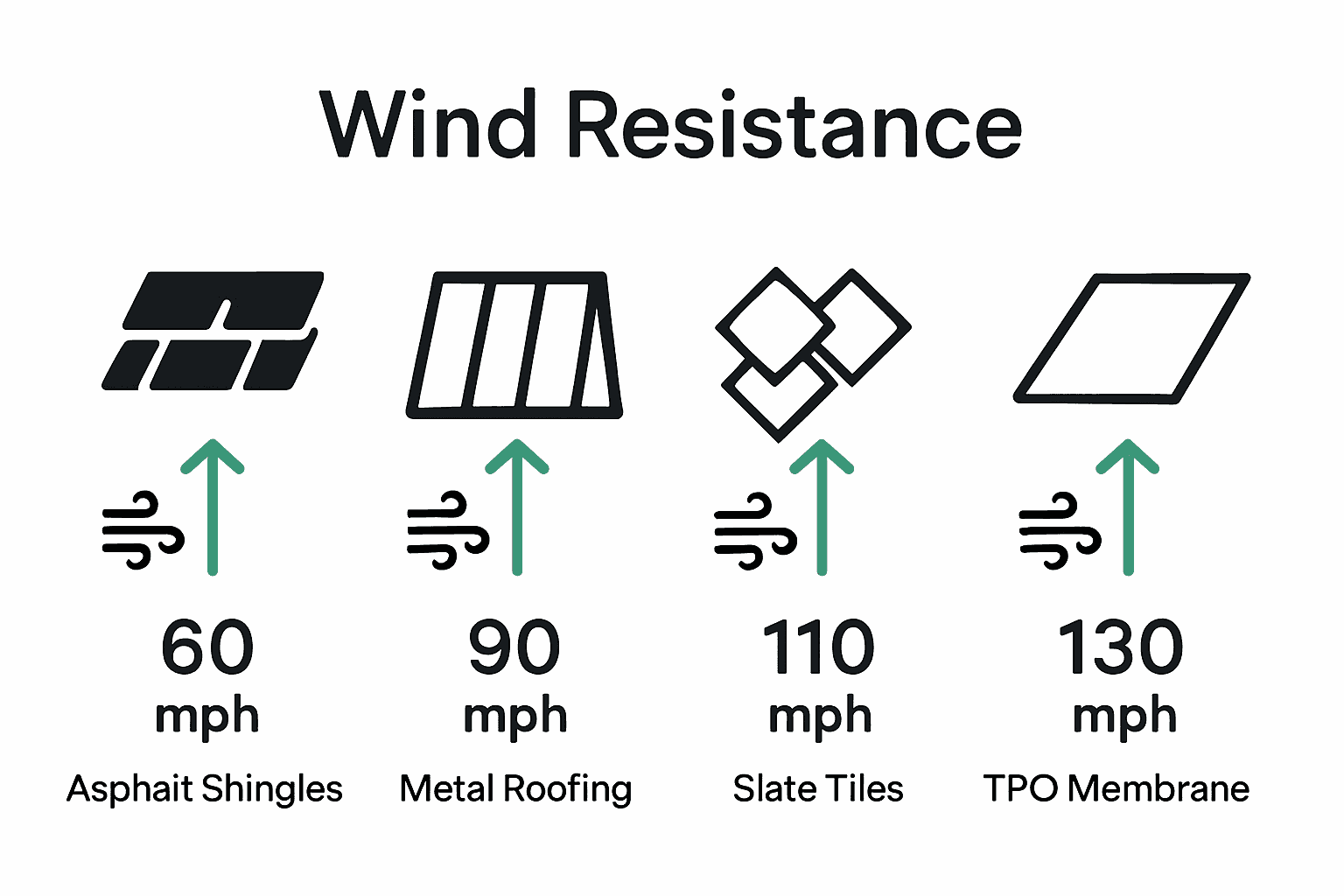
- Asphalt Shingles: Typically rated between 60-130 mph wind resistance
- Metal Roofing: Can withstand winds up to 150 mph
- Slate Tiles: Excellent wind resistance, often rated above 110 mph
- TPO Membranes: Commercial roofing systems with wind ratings up to 135 mph
The comprehensive Architecture Courses guide highlights that modern roofing materials are engineered with specific wind resistance capabilities. Factors like material composition, installation techniques, and attachment methods significantly influence a roof’s ability to withstand wind forces.
 Explore our detailed guide on types of roofing systems to better understand how different materials perform under challenging wind conditions.
Choosing the right roofing material involves balancing wind resistance with other critical factors such as local climate, building design, and budget. Professional roofing contractors can help homeowners select materials that provide optimal protection, taking into account regional wind patterns and specific structural requirements. By understanding wind ratings and consulting experts, property owners can make informed decisions that enhance their roof’s durability and long-term performance.
Impact of Local Weather and Building Codes
Local weather patterns and building codes play a critical role in determining wind resistance requirements for roofing systems. According to International Institute of Building Envelope Consultants (IIBEC), precise methodologies exist for calculating wind uplift design pressures that ensure structural integrity and safety.
Building codes establish minimum performance standards that vary significantly across different geographic regions. These regulations account for diverse environmental challenges, including:
- Wind speed zones
- Regional climate variations
- Terrain characteristics
- Proximity to coastal or high-wind areas
- Specific structural design requirements
The National Academies research emphasizes that wind-load-resisting systems must comprehensively consider the interaction between roof and wall components. This holistic approach ensures that roofing systems can effectively withstand complex wind forces unique to specific local environments. Understanding wind damage risks becomes crucial for homeowners and contractors alike.
Professional roofing contractors must navigate these intricate building code requirements, which often involve complex calculations and specialized knowledge. Local building departments typically require detailed wind resistance documentation, including engineering assessments that demonstrate a roofing system’s ability to meet or exceed regional wind load standards. By working closely with experienced professionals who understand these nuanced requirements, property owners can ensure their roofing investments provide maximum protection against potentially devastating wind-related damages.
Installation Practices for Maximum Wind Protection
Proper installation techniques are the cornerstone of creating a wind-resistant roofing system. According to National Association of Home Inspectors (NACHI), the method of installation directly impacts a roof’s ability to withstand high wind conditions, making each step critical to long-term performance and durability.
Wind protection during installation involves several key practices:
- Precise nail placement and spacing
- Using appropriate fastener types and lengths
- Ensuring proper alignment of roofing materials
- Creating secure seals between roofing components
- Implementing multiple layers of wind-resistant barriers
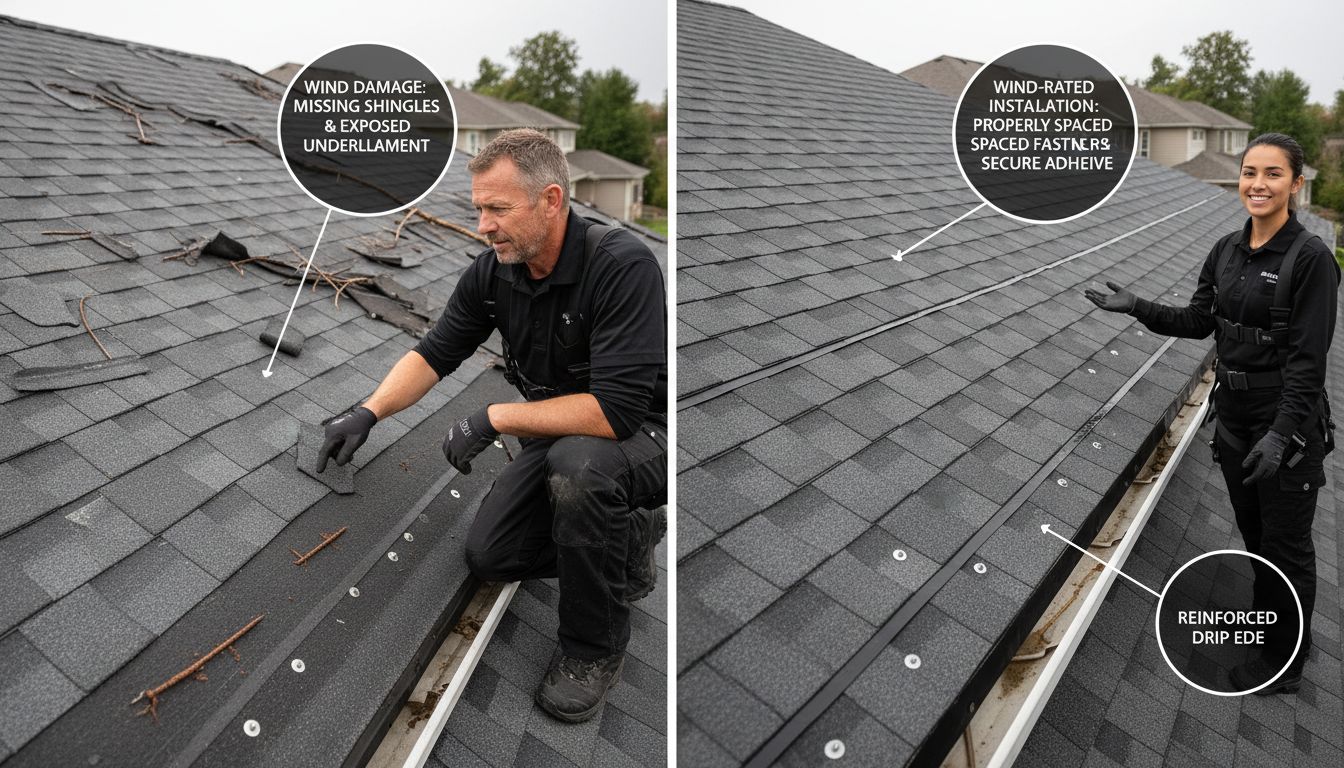
NACHI research highlights that wind damage often occurs through cumulative stress, where small installation weaknesses compound over time. This means that even minor errors during installation can significantly compromise a roof’s wind resistance. Homeowners should pay special attention to:
- Edge reinforcement techniques
- Proper substrate preparation
- Strategic material overlap
- Consistent adhesive application
Explore our comprehensive roof installation guide to understand the intricate details of creating a wind-resistant roofing system. Professional installation by experienced contractors becomes crucial, as they understand the nuanced techniques required to maximize wind protection. These experts utilize specialized tools, follow manufacturer guidelines precisely, and implement industry best practices that go beyond basic installation requirements. By investing in high-quality installation, property owners can significantly reduce the risk of wind-related damage and extend their roof’s overall lifespan.
Risks, Costs, and Common Roofing Mistakes
Roofing mistakes can lead to significant financial and structural consequences that far exceed initial installation costs. According to National Association of Home Inspectors (NACHI), compliance with performance standards is crucial in preventing long-term damage and reducing potential repair expenses.
Common roofing mistakes that dramatically increase wind-related risks include:
- Improper nail placement
- Using incorrect fastener types
- Inadequate material overlap
- Neglecting manufacturer installation guidelines
- Skipping critical edge reinforcement techniques
NACHI research reveals that wind damage often stems from cumulative installation errors, which can compound over time and create catastrophic structural vulnerabilities. These mistakes not only compromise roof integrity but also lead to exponential repair costs. Learn how “cheap” roof systems can cost more in the long run, revealing the true economic impact of cutting corners during installation.
Property owners should understand that professional installation represents an investment in long-term protection. Attempting to save money through DIY approaches or hiring inexperienced contractors can result in significant financial risks. Proper installation involves understanding complex interactions between roofing materials, local building codes, and environmental conditions. By prioritizing quality and expertise, homeowners can avoid costly mistakes, prevent premature roof failure, and ensure their roofing system provides reliable wind resistance and structural protection for years to come.
Protect Your Home with Expert Wind-Resistant Roofing Solutions
Understanding the challenges of wind resistance in roofing is crucial for anyone looking to safeguard their property against severe weather. The constant pressure from high winds can cause serious damage if your roof is not designed and installed to handle those forces. Key concerns such as proper nail placement, material selection, and adherence to building codes are essential to prevent costly repairs and protect your investment.
At Liberty Roofworks, we specialize in delivering roofing systems that meet and exceed wind resistance standards. Whether you need a residential roof repair or replacement or a full commercial roof installation, our experienced team ensures every detail is handled with precision to maximize wind protection. Do not wait for the next storm to reveal weaknesses in your roofing system. Visit Liberty Roofworks today to secure your home or business with durable, professionally installed roofing designed for the conditions you face.
Frequently Asked Questions
What factors influence wind resistance in roofing systems?
Wind resistance is influenced by material composition, installation techniques, roof geometry, and fastening systems. Proper selection and application of these factors are essential for effective resistance against wind forces.
How do different roofing materials compare in terms of wind resistance?
Roofing materials vary significantly in their wind resistance ratings. For example, asphalt shingles typically resist winds between 60-130 mph, while metal roofing can withstand up to 150 mph. Understanding these differences is crucial when selecting roofing materials.
Why are local weather patterns important for roofing wind resistance?
Local weather patterns impact the design and material choices for roofing systems. Factors such as wind speed zones, terrain characteristics, and regional climate variations must be considered to ensure roofs meet wind resistance standards specific to the area.
What common installation mistakes can compromise roof wind resistance?
Common mistakes include improper nail placement, using incorrect fastener types, and inadequate material overlap. These errors can significantly reduce a roof’s ability to withstand wind forces and lead to costly repairs over time.
Recommended
- Understanding Wind Damage on Commercial Roofs: Key Insights – Liberty Roofworks
- Roof Installation Guide: Complete Step-by-Step Process – Liberty Roofworks
- Key Roofing Components Explained: Understanding Your Roof – Liberty Roofworks
- Understanding Wind Damage to Shingles: Key Insights – Liberty Roofworks