Leaking ceilings and stained drywall can quickly turn a Charlotte home into a source of stress, especially when summer storms or winter rains roll through North Carolina. This is why understanding how roof membranes work matters for homeowners wanting to avoid costly repairs. Discover how these advanced materials form a watertight shield against moisture intrusion, keeping your home safe from unpredictable Charlotte weather while offering durable, long-lasting protection.
Table of Contents
- Defining Roof Membranes And Their Purpose
- Popular Types Of Roof Membranes Explained
- How Roof Membranes Prevent Water Damage
- Cost, Longevity, And Maintenance Factors
- Common Mistakes When Installing Roof Membranes
Key Takeaways
| Point | Details |
|---|---|
| Roof Membranes Offer Superior Protection | Roof membranes create a seamless, watertight barrier, critical for preventing moisture intrusion in homes, especially in climates with severe weather. |
| Types of Membranes Provide Specific Benefits | Different membrane types like EPDM, PVC, and TPO have unique advantages suited to various roof profiles and environmental challenges. |
| Regular Maintenance Enhances Longevity | Consistent maintenance and professional inspections are vital to extending the lifespan of roof membranes and preventing costly repairs. |
| Proper Installation is Crucial | Ensuring correct installation techniques is essential to avoid vulnerabilities that could lead to premature roof failure and water damage. |
Defining Roof Membranes And Their Purpose
Roof membranes represent a critical technological solution for protecting homes in Charlotte against water damage and environmental challenges. Membrane roofing systems create a watertight barrier designed to shield a building’s interior from moisture intrusion, utilizing advanced synthetic materials engineered for durability and performance.
These protective layers typically consist of synthetic rubber, thermoplastics like PVC, or modified bitumen compounds that form a continuous shield across residential roofing surfaces. Unlike traditional roofing materials, roof membranes provide superior protection by creating a seamless barrier that eliminates potential weak points where water might penetrate. In Charlotte’s variable climate with intense summer thunderstorms and occasional winter precipitation, these membranes become an essential defense mechanism for homeowners seeking long term structural integrity.
Modern roof membranes serve multiple critical functions beyond basic waterproofing. Green roof systems demonstrate how these advanced materials contribute to building sustainability, managing stormwater runoff while protecting underlying structural components. They help regulate interior temperatures, reduce energy consumption, and provide an additional layer of insulation that can significantly improve a home’s overall environmental performance.
Pro tip: When considering roof membrane installation, always consult a professional who understands Charlotte’s specific climate challenges and can recommend the most appropriate membrane technology for your specific home design and location.
Popular Types Of Roof Membranes Explained
Roof membrane technologies have evolved significantly, offering homeowners in Charlotte multiple options to protect their properties. Single-ply membrane systems represent the most versatile and innovative roofing solutions available today, encompassing three primary categories: EPDM, PVC, and TPO membranes. Each type brings unique characteristics designed to address specific environmental challenges and performance requirements.
The first category, EPDM (Ethylene Propylene Diene Monomer) membranes, are synthetic rubber materials known for exceptional durability and weather resistance. These dark-colored membranes excel in absorbing and dissipating heat, making them particularly effective in Charlotte’s intense summer climate. Thermoplastic membranes like PVC (Polyvinyl Chloride) and TPO (Thermoplastic Polyolefin) offer different advantages, including superior chemical resistance, lightweight construction, and excellent reflective properties that help reduce energy consumption.
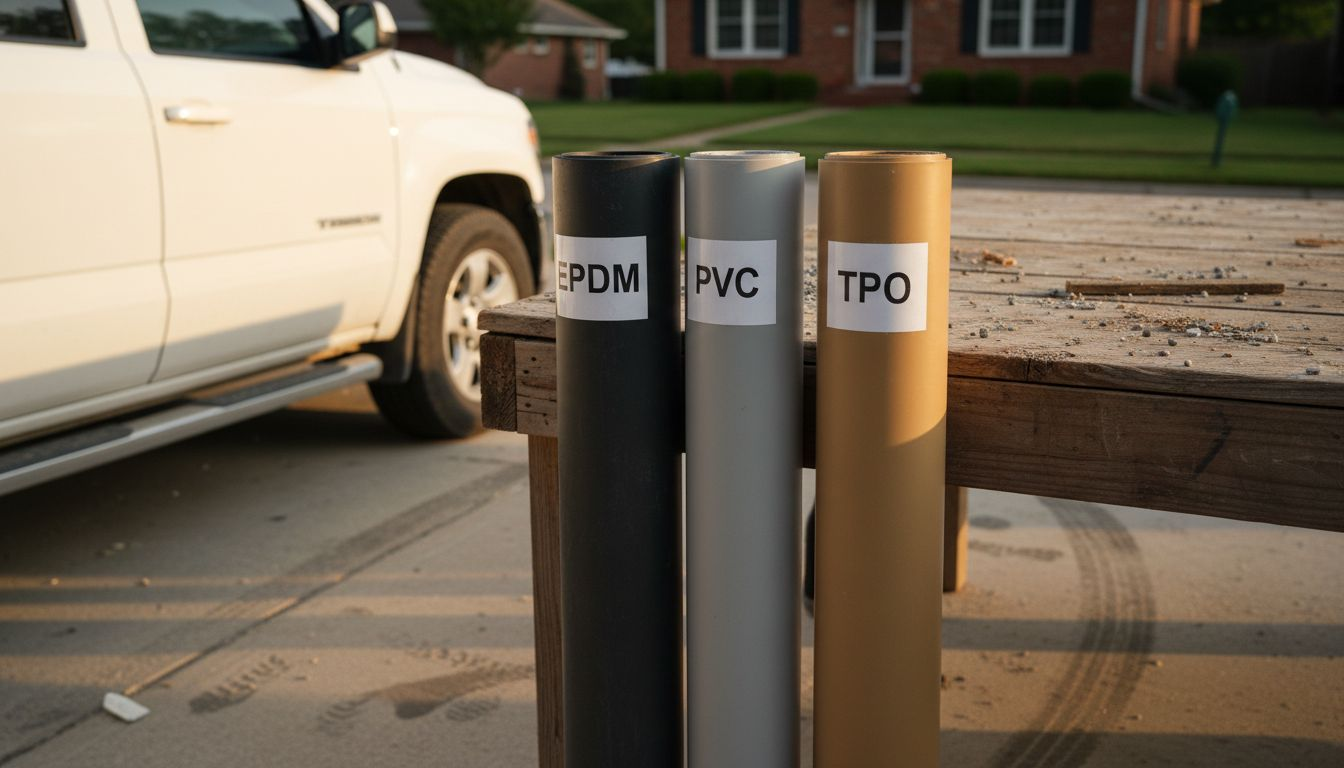
Roof assembly standards highlight the importance of selecting membrane materials that match specific residential requirements. Modified bitumen membranes provide another compelling option, incorporating polymer-modified asphalt that creates a robust, multi-layered protective system. These membranes are particularly well-suited for flat or low-slope roof designs common in certain Charlotte neighborhoods, offering enhanced flexibility and resistance to temperature fluctuations.
Here’s a concise comparison of common residential roof membrane types used in Charlotte:
| Membrane Type | Primary Material | Key Benefit | Best Roof Profile |
|---|---|---|---|
| EPDM | Synthetic Rubber | Superior heat resistance | Flat or low-slope |
| PVC | Thermoplastic | Chemical resistance, cool roofs | Any shape |
| TPO | Thermoplastic | Reflects sunlight, energy savings | Flat or low-slope |
| Modified Bitumen | Polymer-Asphalt | Multi-layer durability | Flat or low-slope |
Pro tip: Consult with a local roofing professional who understands Charlotte’s unique climate to determine the most appropriate membrane type for your specific home design and environmental conditions.
How Roof Membranes Prevent Water Damage
Roof membrane technologies represent the first line of defense against water intrusion in Charlotte homes, creating a critical barrier that protects residential structures from potential moisture damage. These sophisticated systems work by providing a continuous, impenetrable shield that prevents water from seeping into the underlying roof structure, foundation, and interior living spaces.
The primary mechanism of water prevention involves multiple strategic layers and design features. Waterproof membranes create seamless surfaces that redirect water away from vulnerable points, with special attention to critical areas like roof joints, edges, and penetration points such as vents, chimneys, and skylights. Specialized installation techniques ensure that every potential water entry point is carefully sealed, using advanced bonding methods that create stronger-than-ever protective barriers against moisture infiltration.
Modern roof membranes go beyond simple water blocking, incorporating sophisticated technologies that manage water flow and minimize potential damage risks. Green roof waterproofing systems demonstrate how advanced membranes can not only prevent water intrusion but also actively manage stormwater runoff. These systems incorporate root barriers and drainage layers that work together to protect structural integrity while providing additional environmental benefits like improved thermal insulation and reduced urban heat island effects.
Pro tip: Schedule annual roof membrane inspections to identify and address potential vulnerabilities before they develop into costly water damage problems.
Cost, Longevity, And Maintenance Factors
Membrane roofing investments represent a significant long-term solution for Charlotte homeowners, with typical lifespans ranging between 15 to 25 years depending on material selection and maintenance practices. The initial installation costs for roof membranes vary widely, typically ranging from $5 to $12 per square foot, which includes both materials and professional installation. Different membrane types like EPDM, TPO, and PVC offer distinct price points and performance characteristics that homeowners should carefully evaluate.
The longevity of roof membranes directly correlates with maintenance quality, making regular professional inspections a critical investment. Most membrane systems require annual professional assessments to identify potential vulnerabilities such as seam separations, punctures, or early signs of material degradation. Environmental factors specific to Charlotte, including intense summer heat and occasional severe storms, can accelerate membrane wear, making proactive maintenance even more essential for protecting your roofing investment.
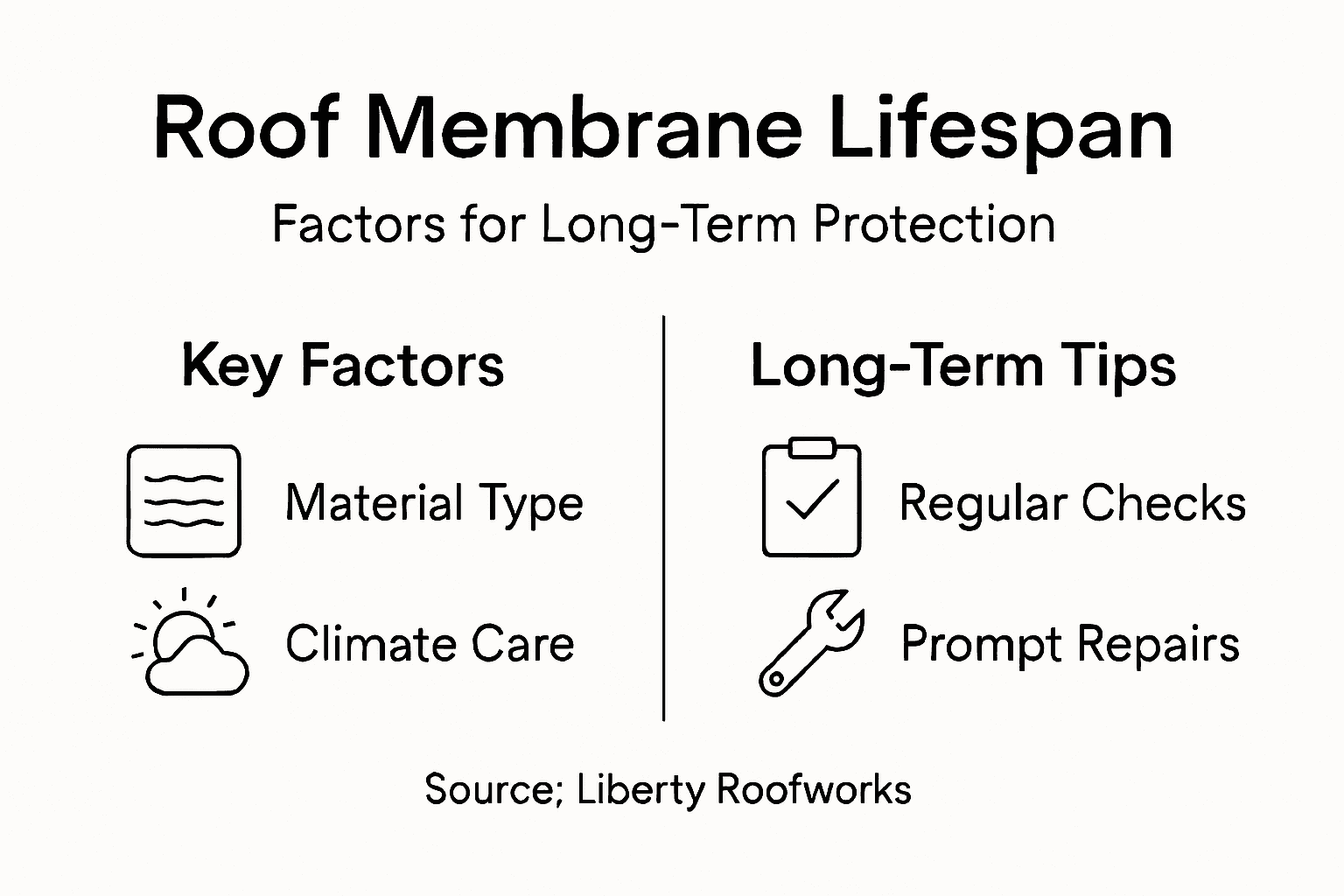
Comprehensive roof maintenance programs play a crucial role in extending membrane lifespan and preventing costly repairs. Homeowners should expect to budget for periodic cleaning, debris removal, and professional inspections. Key maintenance activities include checking flashing integrity, examining seam conditions, and addressing any signs of moisture penetration or material stress. By investing in consistent maintenance, Charlotte homeowners can potentially extend their roof membrane’s life by several years, ultimately reducing long-term replacement expenses.
Consider these factors that affect roof membrane cost, lifespan, and maintenance:
| Factor | Typical Range | Impact on Longevity | Maintenance Tip |
|---|---|---|---|
| Installation Cost | $5-$12/sq ft | Higher investment may extend life | Choose certified installers |
| Lifespan | 15-25 years | Regular care increases duration | Schedule annual inspections |
| Maintenance | Moderate | Neglect shortens membrane life | Remove debris and check seams |
Pro tip: Create a detailed maintenance log documenting each professional inspection and repair to track your roof membrane’s condition and potentially improve future insurance or home sale negotiations.
Common Mistakes When Installing Roof Membranes
Critical installation errors can significantly compromise the integrity and performance of roof membranes in Charlotte homes. Improper installation techniques create vulnerabilities that lead to premature roof failure, water damage, and expensive repairs. Homeowners and contractors must understand the most common mistakes to ensure a robust and long-lasting roofing system.
One of the most frequent installation errors involves inadequate flashing and seam treatment. Roof penetrations like vents, chimneys, and skylights represent critical weak points where water can potentially infiltrate. Incorrect flashing techniques, such as insufficient overlap, poor adhesion, or failure to follow manufacturer-specific installation guidelines, create opportunities for moisture penetration. Charlotte’s variable climate, with its intense summer thunderstorms and occasional winter precipitation, makes precise installation even more crucial.
Substrate preparation and maintenance represent another critical area where installation mistakes frequently occur. Many contractors overlook the importance of creating a completely clean, dry, and flat surface before membrane application. Debris, moisture, or uneven surfaces can compromise membrane adhesion, leading to bubbling, separation, and potential water intrusion. In freeze-thaw regions like Charlotte, neglecting proper substrate preparation can accelerate membrane degradation and reduce overall roofing system performance.
Pro tip: Always request detailed documentation of installation techniques and material specifications from your roofing contractor, ensuring they follow manufacturer guidelines precisely.
Protect Your Charlotte Home with Expert Roof Membrane Solutions
Understanding the importance of durable, professionally installed roof membranes is essential for protecting your Charlotte home from water damage and extreme weather. If you are concerned about potential installation errors, maintaining your membrane’s longevity, or choosing the right material like EPDM or TPO, you are not alone. These challenges require precision and local expertise to ensure your roof’s performance withstands the test of time and climate.
At Liberty Roofworks, we specialize in residential roofing services tailored to Charlotte’s unique climate conditions. Whether you need a roof membrane installation that meets the highest standards, expert EPDM roofing and repair, or TPO roofing and repair, our team goes the extra mile to safeguard your investment and enhance your home’s protection. Don’t wait until small issues turn into costly repairs. Visit Liberty Roofworks today to schedule a professional roof inspection and take the first step towards long-term peace of mind.
Frequently Asked Questions
What are roof membranes and why are they important?
Roof membranes are protective layers made of synthetic materials, designed to create a watertight barrier that shields homes from moisture intrusion and environmental damage. They are essential for long-term structural integrity, particularly in regions with variable climates.
What are the different types of roof membranes available?
The most common types of roof membranes include EPDM (synthetic rubber), PVC (thermoplastic), TPO (thermoplastic), and modified bitumen. Each type offers unique benefits tailored to various environmental challenges and performance requirements.
How do roof membranes prevent water damage?
Roof membranes prevent water damage by providing a continuous, impenetrable shield that redirects water away from vulnerable areas like roof joints and penetration points. Specialty installation techniques ensure all potential entry points are sealed effectively.
How often should I maintain my roof membrane?
Regular maintenance, typically involving annual professional inspections, is crucial for extending the lifespan of roof membranes. This includes checking for seam separations, punctures, and other vulnerabilities that could lead to water damage.