Every commercial property manager in Charlotte knows that even the smallest roof leak can quickly turn into a major issue. Water intrusion risks everything from your building’s structure to its indoor air quality and energy efficiency. Waterproofing materials and coatings form a crucial barrier against damage, safeguarding your investment and those who rely on your facility. This practical guide breaks down what waterproofing really means for your roof, why it matters for long-term performance, and how to choose the right system for Charlotte’s climate.
Table of Contents
- What Waterproofing Means For Commercial Roofs
- Types Of Waterproofing Systems And Materials
- How Waterproofing Methods Are Applied
- Risks Of Inadequate Roof Waterproofing
- Maintenance Best Practices For Lasting Results
Key Takeaways
| Point | Details |
|---|---|
| Importance of Waterproofing | Waterproofing creates a barrier against water infiltration, protecting the entire building from structural damage and mold growth. |
| Types of Waterproofing Systems | Different roofing systems require tailored waterproofing approaches, including liquid, bituminous, and polyurethane options. |
| Regular Maintenance is Key | Scheduled inspections and maintenance ensure long-lasting waterproofing effectiveness and help prevent costly repairs. |
| Financial Implications | Proper waterproofing significantly increases property value and reduces the likelihood of expensive water damage claims. |
What Waterproofing Means for Commercial Roofs
Waterproofing your commercial roof is about creating a comprehensive defense system against water infiltration. When you apply waterproofing materials and coatings to your roof, you’re essentially building an invisible barrier that stops water from penetrating the structure below. This isn’t just about preventing puddles on your roof deck. Water that finds its way into your building causes cascading problems: structural rot, mold growth that affects air quality, corrosion of metal components, and damage to insulation systems that cost you thousands in energy bills.
For commercial property managers in Charlotte, understanding what waterproofing actually does is critical. Commercial waterproofing creates a barrier against water infiltration that protects not just the roof itself but your entire investment in the building. When properly installed, waterproofing extends the lifespan of your roofing materials significantly, sometimes adding 10 to 15 years of additional service life. It also improves your building’s energy efficiency by maintaining the integrity of your insulation layers. Think of it this way: every degree of heat loss through a compromised roof means your HVAC system works harder and costs you more each month.
The scope of waterproofing goes beyond just the roof surface. Effective protection addresses membranes, seals at penetrations, flashing around HVAC units, and transitions at parapets and edges. Specialized materials and methods are tailored to complex, large-scale commercial structures to provide comprehensive coverage. For Charlotte properties with TPO or EPDM roofing systems, this means regular inspections of seams, proper maintenance of any applied coatings, and immediate attention to any signs of wear. Your roof’s waterproofing isn’t a one-time installation. It’s an ongoing system that requires monitoring and periodic reinforcement to maintain maximum protection.
Beyond structural preservation, waterproofing directly protects your occupants and property value. Water damage claims often exceed $10,000 per incident, and a single incident can disrupt business operations for weeks. Proper waterproofing keeps moisture out, prevents the conditions where mold thrives, maintains safe indoor air quality, and preserves your building’s market value. When you sell or refinance, a well-maintained, waterproofed roof significantly increases your property’s appeal to buyers and lenders.
Pro tip: Have a professional inspection conducted at the start of each spring to identify any waterproofing weaknesses before Charlotte’s heavy summer thunderstorms arrive, allowing time for repairs before peak storm season.
Types of Waterproofing Systems and Materials
Waterproofing isn’t one-size-fits-all. Different commercial roofing situations require different approaches, and the materials available range from liquid coatings to sheet membranes to cementitious systems. Understanding your options helps you make the right choice for your Charlotte property’s specific conditions. The main waterproofing approaches fall into category-based systems, with Type A waterproofing being the most common in commercial roofing applications. This approach creates a physical barrier that prevents water ingress through durable material coatings applied to roof surfaces, seams, and penetrations.
The most practical waterproofing materials for commercial roofs in Charlotte include liquid membranes, bituminous systems, and polyurethane coatings. Liquid waterproofing membranes come in brush-applied or spray-applied formulations and work well on roofs with complex geometry, multiple penetrations, or irregular shapes. Bituminous materials, which include hot-applied tar and cold-applied adhesive systems, provide excellent durability and water resistance, making them reliable for long-term protection. Liquid membranes, cementitious coatings, and bituminous materials each have distinct application methods and performance characteristics depending on your roof type and environmental exposure. For properties with TPO roofing, compatible liquid membranes maintain the flexibility of the underlying membrane while adding an extra protection layer. EPDM roofing systems often pair well with polyurethane liquid membranes that bond effectively to rubber surfaces without degrading them over time.
Polyurethane-based waterproofing systems deserve special mention because they offer flexibility, strong adhesion, and exceptional durability in harsh weather conditions. They expand and contract with your roof’s movement, which matters in Charlotte’s temperature fluctuations. Cementitious waterproofing works differently by creating a dense, impermeable surface layer that resists water penetration through the substrate itself. This type works best on concrete decks and is often used in combination with other systems for maximum redundancy.
The choice between these systems depends on several factors: your existing roof type, the age of your roof, local weather patterns, budget constraints, and how long you plan to keep the building. A professional assessment identifies which material will provide the best performance for your specific situation and building configuration.
Here’s a quick reference summarizing key waterproofing system types and their ideal use cases:
| System Type | Best For | Major Advantage |
|---|---|---|
| Liquid Membrane | Roofs with complex shapes | Seamless coverage |
| Bituminous System | High-durability flat roofs | Long-term water resistance |
| Polyurethane Coating | Weather-exposed or flexible surfaces | Adapts to temperature changes |
| Cementitious System | Concrete decks and substrates | Dense, impermeable surface layer |
Pro tip: Request material samples and durability certifications before installation to ensure your chosen waterproofing system is compatible with your specific TPO or EPDM roofing membrane and designed to withstand Charlotte’s humid subtropical climate.
How Waterproofing Methods Are Applied
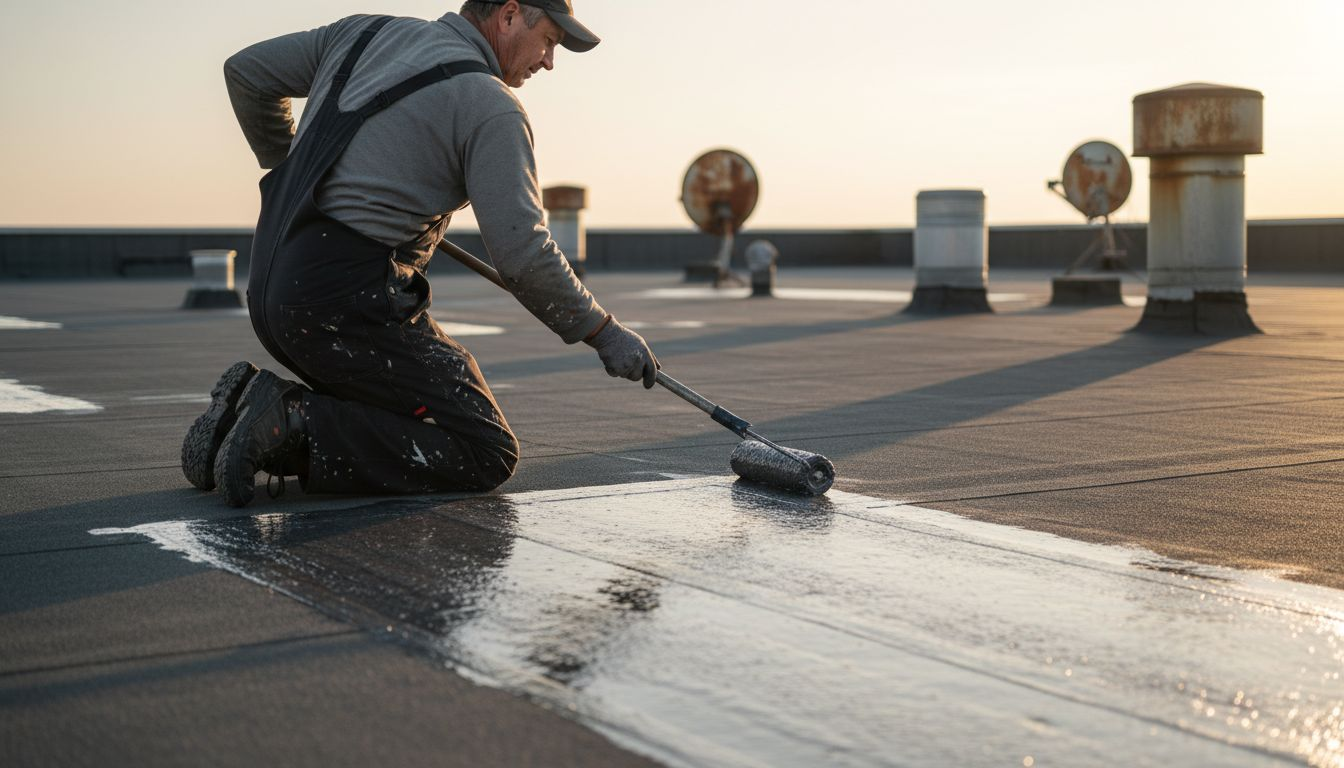
The application process for waterproofing is where theory meets reality. Getting it right determines whether your roof stays dry for decades or starts leaking within a few years. Most commercial waterproofing projects follow a similar sequence, starting with meticulous surface preparation. Your roof deck must be clean, dry, and free of debris, dust, and any loose material. Any cracks or damage gets repaired before waterproofing begins. This prep work matters far more than people realize. A contaminated surface prevents proper adhesion, which means the waterproofing coating won’t bond correctly to your roof, leaving gaps where water can infiltrate.
Once the substrate is ready, the actual waterproofing application begins. Waterproofing materials such as liquid membranes, bituminous coatings, or cementitious slurries get applied using different techniques depending on the system chosen. Liquid membranes can be spray-applied, rolled, or troweled onto the surface to create a seamless, flexible barrier that moves with your roof as temperatures change. Bituminous coatings, which are often hot-applied, require precise handling and temperature control to ensure proper adhesion and prevent early failure. For Charlotte properties, proper curing time between coats is critical because humidity and temperature directly affect how the material sets.
The application process extends beyond just coating the main roof surface. Critical work happens at penetrations, seams, flashing transitions, and edges where water most commonly finds entry points. Flashing and detail work must be continuous with the main waterproofing system to create a unified barrier. This is where quality separation occurs between competent contractors and careless ones. Every HVAC unit, roof vent, electrical penetration, and parapet edge needs careful attention. After the membrane gets installed, protective layers go on top to shield the waterproofing from UV damage and foot traffic. Quality control during installation catches defects early, preventing costly water damage later.
The final step involves regular inspection to verify that the waterproofing installation meets performance standards. A proper waterproofing system, when applied correctly with attention to detail at every stage, can protect your Charlotte commercial property for 15 to 20 years or more.
Pro tip: Schedule your waterproofing application during dry weather conditions with temperatures between 50 and 85 degrees Fahrenheit to ensure proper curing and maximize the adhesion quality of your chosen waterproofing system.
Risks of Inadequate Roof Waterproofing
Skipping waterproofing or doing it poorly isn’t a cost-saving measure. It’s a gamble with expensive consequences. When your commercial roof lacks adequate waterproofing, water finds its way inside your building through the smallest weaknesses. Water under hydrostatic pressure penetrates weaknesses in the waterproofing system, causing deterioration of critical structural components that support your entire building. For Charlotte property managers, this becomes especially problematic during heavy rain events when pressure builds behind any existing cracks or thin spots in your waterproofing layer. The damage starts invisibly. Water seeps into spaces you can’t see until the problem becomes catastrophic.
The domino effect of inadequate waterproofing unfolds quickly. Poor drainage or improper slope increases water retention, leading to water pooling and leaks that damage interior spaces like ceilings, walls, and insulation systems. Mold growth follows moisture intrusion almost inevitably. Once mold takes hold, you face health concerns for occupants, air quality problems, and potential liability issues. Your structural components begin deteriorating as wood framing absorbs moisture and metal components corrode. Insulation loses its effectiveness when saturated, forcing your HVAC system to work harder and driving up energy costs. A single water leak can damage 2,000 to 5,000 square feet of insulation before you notice visible signs of a problem.
Beyond structural damage, inadequate waterproofing compromises your building’s value and your occupants’ safety. Ceiling collapses, electrical hazards from water-damaged wiring, and slip hazards from interior leaks create liability risks. Insurance claims for water damage average $10,000 or more per incident, and repeated claims can cause your premiums to skyrocket or your coverage to be cancelled. The financial impact extends beyond immediate repairs. A building with a history of water intrusion becomes harder to lease, refinance, or sell. Potential tenants and buyers conduct inspections that reveal water stains and damage, reducing your negotiating position and property value.
The prevention option is far less expensive than the repair option. A properly installed and maintained waterproofing system costs a fraction of what you’ll spend replacing rotted structural components, remediating mold, or repairing water damage throughout your building.
Below is a summary of business impacts linked to effective vs. inadequate roof waterproofing:
| Protection Level | Building Impact | Financial Effect |
|---|---|---|
| Proper Waterproofing | Preserved structure, safe air | Reduced claims, higher property value |
| Inadequate | Mold, leaks, energy loss | Expensive repairs, lower resale |
Pro tip: Conduct a professional waterproofing inspection every spring and after significant weather events to catch deterioration early before water penetrates deeper into your building structure.
Maintenance Best Practices for Lasting Results
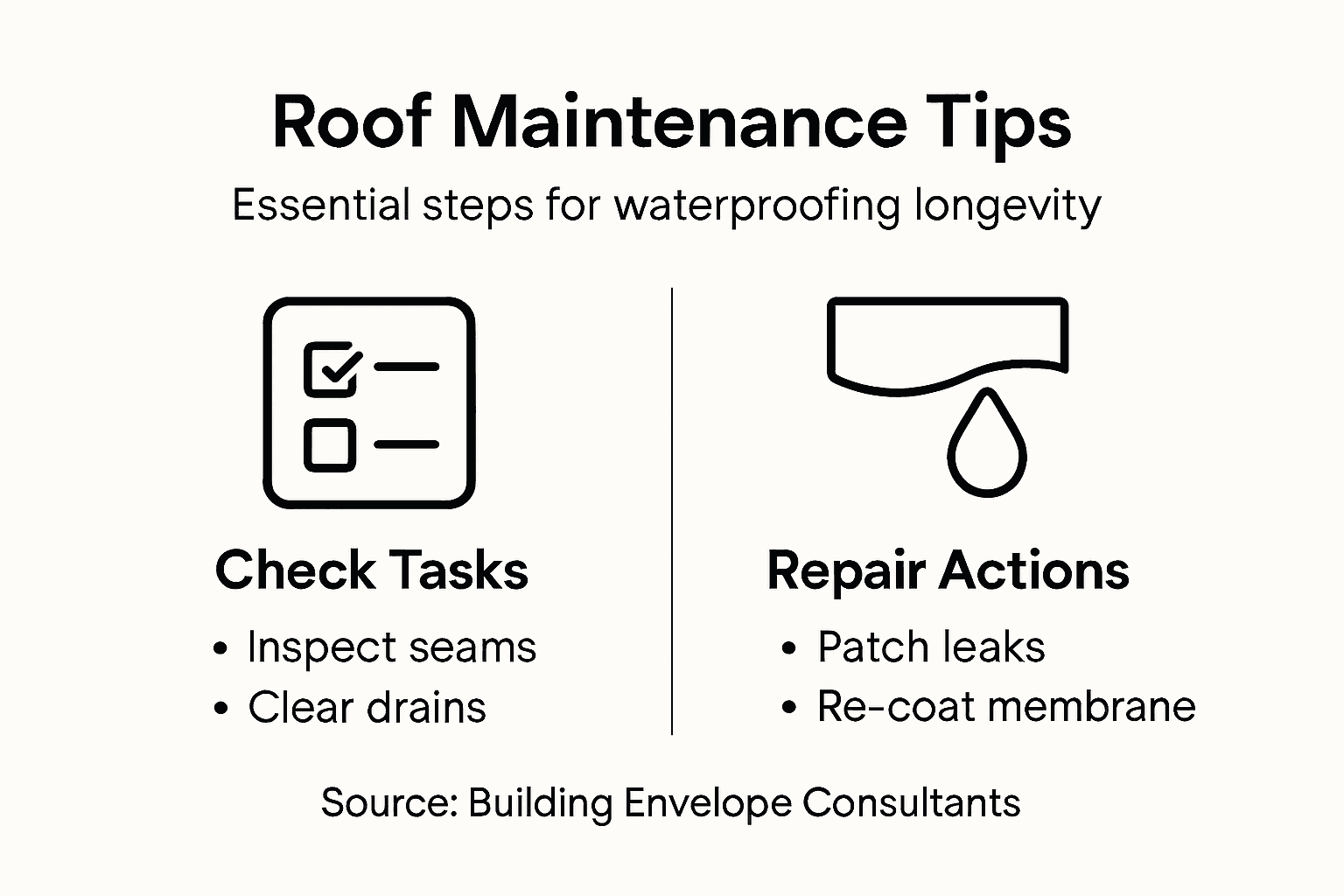
Your waterproofing system isn’t a set-it-and-forget-it investment. Think of it like your car’s oil changes. Regular maintenance determines whether your roof lasts 15 years or 25 years. A scheduled maintenance program catches small problems before they become expensive ones. Start with inspections at least twice per year, ideally in spring before heavy rains arrive and in fall before winter weather stress. After severe storms, conduct additional inspections to check for wind damage, debris accumulation, or impact damage that might compromise your waterproofing. Regular maintenance including routine inspections can detect minor defects before they become major issues, saving you thousands in emergency repairs.
Routine maintenance tasks keep your waterproofing system performing at maximum capacity. Clear your roof of debris, leaves, and standing water that blocks drainage systems. Clogged gutters and downspouts force water to pool on your roof, creating hydrostatic pressure that tests every weakness in your waterproofing. Inspect seams and penetrations where different materials meet. Look for cracks in coatings, blistering of membranes, or separation at flashing edges. Small repairs now prevent water intrusion later. Document everything. Keep detailed records of inspections, repairs, and any maintenance work performed. This documentation protects your investment and helps contractors understand your roof’s history when future work is needed.
Best maintenance practices include prompt repair of any damage to membranes and maintaining clear drainage pathways, along with following manufacturer guidelines for cleaning and re-coating schedules. Your waterproofing materials have specific care requirements. Some coatings need re-application every 5 to 10 years to maintain protection. TPO and EPDM membranes need different maintenance approaches. Using incompatible cleaning products or sealers can damage your waterproofing system. Stick to what the manufacturer recommends. If your maintenance staff isn’t trained on your specific roofing system, budget for professional oversight annually. A trained eye catches issues that untrained personnel miss.
Beyond inspections and cleaning, budget for periodic re-coating or membrane reinforcement. Your original waterproofing application might have a 15 year lifespan, but adding a protective coating at year 8 or 10 can extend that to 20 or 25 years. Proactive re-coating costs far less than reactive repairs after water damage occurs. Track your maintenance costs. You’ll find that spending $2,000 annually on maintenance prevents $50,000 in structural repair bills.
Pro tip: Create a roof maintenance calendar with specific tasks for each season and assign responsibility to a staff member who receives annual training on identifying waterproofing damage specific to your roof system.
Protect Your Commercial Roof with Expert Waterproofing Solutions
The article highlights the serious challenges of inadequate waterproofing such as water infiltration, mold growth, structural damage, and skyrocketing repair costs. If your commercial roof is vulnerable to these risks due to worn membranes, damaged seams, or poor maintenance you need a trusted partner who understands the specialized materials like TPO, EPDM, polyurethane coatings, and bituminous systems discussed in this guide. At Liberty Roofworks, we specialize in comprehensive commercial roof repair and TPO & EPDM roofing and repair designed to extend your roof’s life and keep your building safe from moisture damage.
Don’t wait for water damage to disrupt your business or reduce your property value. Our expert team ensures meticulous waterproofing application and offers ongoing maintenance programs tailored to Charlotte’s humid subtropical climate. Take action now to avoid costly repairs and maintain energy efficiency. Visit Liberty Roofworks today to schedule your professional roof inspection and protect your commercial investment with waterproofing solutions tailored to your needs.
Frequently Asked Questions
What is the purpose of waterproofing in commercial roofing?
Waterproofing creates a barrier that prevents water infiltration, protecting not just the roof but also the entire building’s structure from damage like mold growth, corrosion, and energy loss.
How long does waterproofing extend the lifespan of commercial roofing?
When properly installed, waterproofing can extend the lifespan of roofing materials by 10 to 15 years, significantly improving durability and reducing replacement costs.
What types of waterproofing systems are available for commercial roofs?
Common waterproofing systems include liquid membranes, bituminous materials, polyurethane coatings, and cementitious systems, each tailored to specific roofing conditions and performance needs.
How often should I schedule inspections for my waterproofed roof?
It’s recommended to schedule inspections at least twice a year, ideally in spring and fall, along with additional checks after severe weather to catch any potential damage early.
Recommended