Roof damage catches many homeowners off guard and yet more than 50 percent of property insurance claims in the US are the result of wind or hail damage to roofs. Navigating the insurance process can feel overwhelming when fast action is crucial for protecting your home and your wallet. Clear, accurate steps are the difference between frustrating delays and a successful, stress-free claim. This guide lays out exactly what you need to do for the best chance at approval and prompt repairs.
Table of Contents
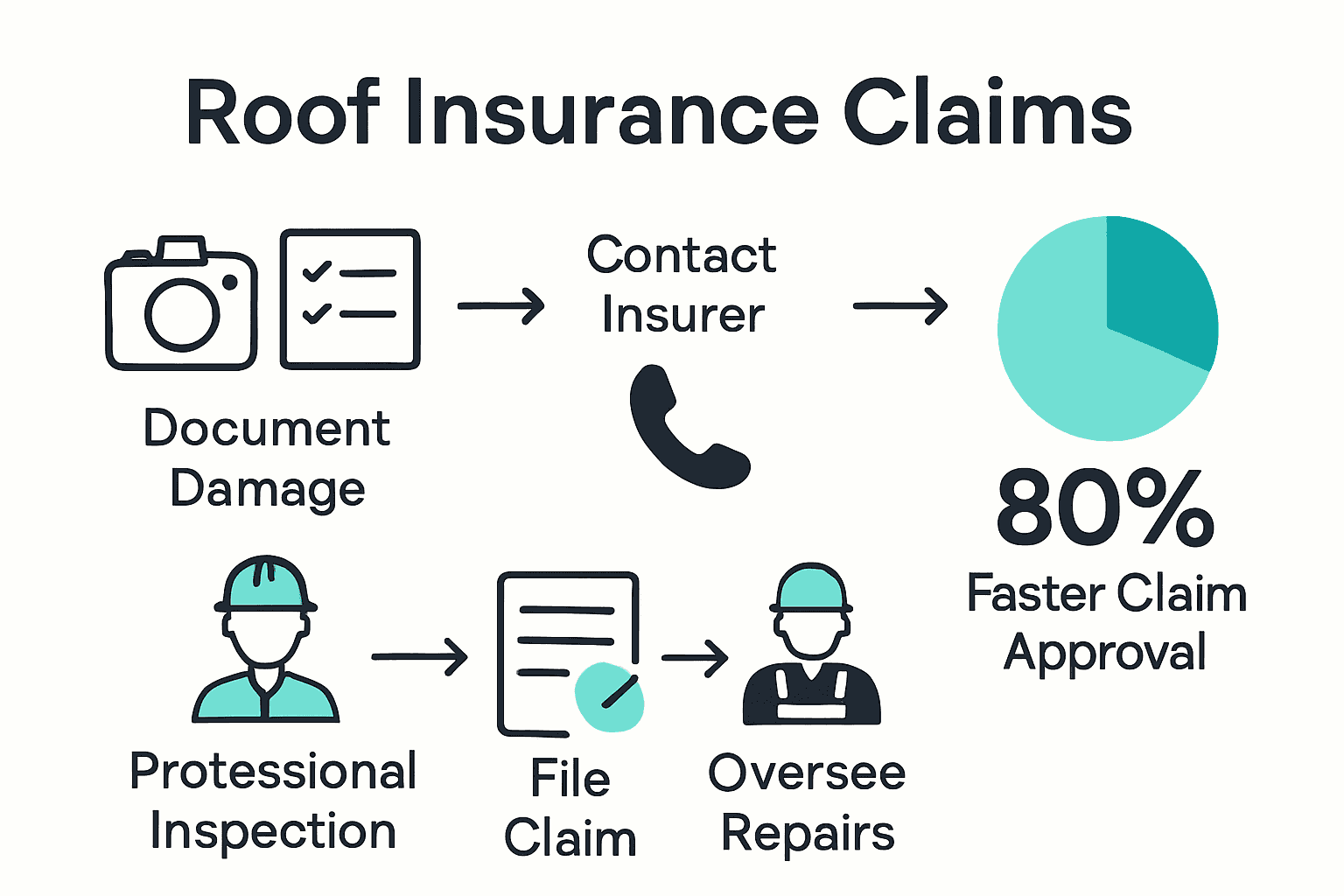
- Step 1: Document Roof Damage And Gather Proof
- Step 2: Contact Your Insurance Company Promptly
- Step 3: Schedule A Professional Roof Inspection
- Step 4: File The Insurance Claim Accurately
- Step 5: Coordinate Repairs And Verify Completion
Quick Summary
| Key Point | Explanation |
|---|---|
| 1. Document Every Aspect of Damage | Take wide-angle photos and detailed close-ups of damage to create a visual narrative for your claim. |
| 2. Contact Insurance Company Immediately | Promptly inform your insurer with specific details and documentation to expedite the claims process. |
| 3. Schedule a Professional Inspection | Hire an experienced roofer to assess damage and provide a detailed report to support your claim. |
| 4. File a Thorough and Accurate Claim | Carefully complete all claim documents with accurate information and supporting evidence for swift processing. |
| 5. Verify Repairs and Documentation | Ensure all repairs are completed to standards and document the entire process for your records. |
Step 1: Document Roof Damage and Gather Proof
Documenting roof damage systematically is your critical first step in securing a successful insurance claim. This process requires meticulous attention to detail and strategic evidence collection to support your case.
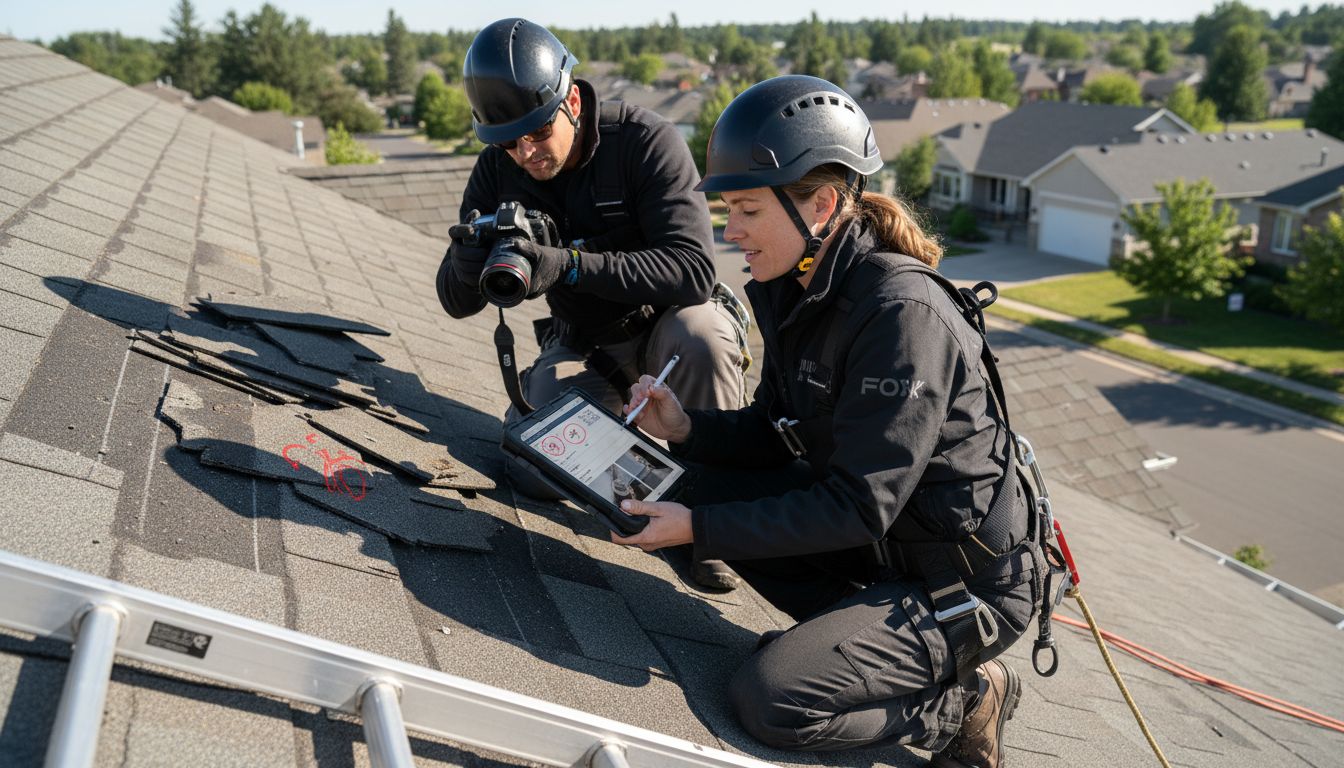
According to GAF, you will want to start by taking wide angle photos that capture the entire property’s roof damage. Photograph damage from multiple angles including ground level and close up shots that reveal specific damage points. Capture interior evidence too like water stains or ceiling damage which demonstrate the extent of roof problems.
Use your smartphone to create a comprehensive visual record. Walk around your property and document everything from fallen shingles to punctures or cracks in the roofing material. NAIC recommends creating a detailed inventory that includes descriptions and specific dates of observed damage. Include timestamps on all photos and videos to provide clear chronological documentation.
Pro Tip: Always keep original receipts for any temporary repairs or emergency services you perform to prevent further damage.
The goal is creating an irrefutable visual narrative that tells the complete story of your roof’s condition before and after the damaging event. Your thorough documentation will significantly increase your chances of fast insurance claim approval.
Step 2: Contact Your Insurance Company Promptly
Contacting your insurance company quickly is a critical step in managing your roof damage insurance claim. Swift communication can significantly streamline the entire claims process and help you get repairs started sooner.
GAF advises homeowners to initiate contact with their insurance provider immediately after discovering roof damage. When you call, be prepared with specific information. Have your policy number readily available and be ready to provide a clear description of the damage you have documented.
According to the National Association of Insurance Commissioners, your initial call should include a comprehensive overview of the damage. Walk the insurance representative through your visual documentation. Explain when and how the damage occurred and be prepared to share the photographs and videos you captured during your initial damage assessment.
Pro Tip: Schedule a claims adjuster visit as soon as possible to evaluate the roof damage in person.
Your how to file roof insurance claim guide can help you understand the next steps in the process. Remember that prompt and organized communication can make a significant difference in how quickly and smoothly your insurance claim moves forward.
Step 3: Schedule a Professional Roof Inspection
Scheduling a professional roof inspection is a critical step in substantiating your insurance claim and ensuring a comprehensive assessment of roof damage. A professional evaluation provides the detailed documentation needed to support your claim and protect your property.
GAF recommends hiring a certified roofer who can identify subtle damage that might escape an untrained eye. When scheduling your inspection, look for a roofing professional with experience in insurance claim assessments. Ask about their expertise in documenting roof damage for insurance purposes and request a detailed written report of their findings.
According to EcoRoof Systems, professional inspections are crucial for establishing a clear record of your roof’s condition. This documentation becomes especially important after severe weather events. The inspector will carefully examine both external roofing materials and potential interior damage caused by roof issues.
Pro Tip: Request a comprehensive written report with photographs to submit alongside your insurance claim.
Learn more about what to expect with our commercial roof inspection process guide. A thorough professional inspection can make the difference between a smooth insurance claim and potential complications.
Step 4: File the Insurance Claim Accurately
Filing an accurate insurance claim is a critical step that can make or break your roof damage compensation. Precision and thoroughness are key to ensuring your claim receives proper consideration and swift processing.
GAF emphasizes the importance of meticulously completing all claim documents. Carefully review the proof of loss form provided by your insurance company. Include detailed photo and video evidence of roof damage that you documented during your previous inspection. Double check that all information is accurate and complete before submission.
According to the National Association of Insurance Commissioners, policyholders should compile a comprehensive inventory of damaged items and structural issues. Organize your documentation chronologically and include detailed descriptions of each instance of damage. Attach the professional roof inspection report along with your photographic evidence to strengthen your claim.
Pro Tip: Make copies of all submitted documents and keep a detailed record of your claim filing process.
If you encounter challenges during the claim process, our guide on insurance denying roof claims can provide additional insights. Remember that thorough documentation and accuracy are your best tools for a successful insurance claim.
Step 5: Coordinate Repairs and Verify Completion
Coordinating roof repairs and ensuring their proper completion is the final critical step in your insurance claim process. This phase requires careful communication with both your insurance provider and roofing contractors to guarantee a successful restoration of your property.
GAF recommends taking immediate action to prevent further damage. If your roof has urgent issues, make temporary repairs and keep all receipts. Work only with reputable contractors who have experience handling insurance restoration projects. Document every stage of the repair process with photographs and detailed notes to maintain a clear record of the work completed.
According to the National Association of Insurance Commissioners, meticulous documentation is key to a successful claim. Coordinate closely with your insurance company and contractor to ensure all repairs meet the agreed upon standards. Request a comprehensive written report of completed work and conduct a thorough personal inspection to verify that all damages have been properly addressed.
Pro Tip: Always get a written warranty for the repair work and keep copies of all documentation.
For a comprehensive understanding of what to expect during repairs, check out our roof repair process guide. Remember that your active involvement and attention to detail will help ensure a smooth and satisfactory roof restoration.
Get the Insurance Claim Help You Deserve with Liberty Roofworks
Dealing with roof damage and navigating insurance claims can feel overwhelming and stressful. The article lays out the essential steps like documenting damage thoroughly and scheduling professional inspections to secure fast claim approval. We understand the frustration of waiting for repairs and the fear of unexpected costs. That is why at Liberty Roofworks, we specialize in simplifying this process for you. Our expert team handles everything from storm damage repair to roof replacement with precision and care so you can focus on what matters.
Why risk delays or incomplete repairs when you can trust a roofing company that knows the insurance claim process inside and out? Whether you need a quick residential roof repair or a full commercial roof installation, we stand ready to support you every step of the way. Take control of your roof repair journey today by contacting Liberty Roofworks and experience roofing services that put your peace of mind first. Visit us now at Liberty Roofworks to get started and learn how we can help with your next roof project.
Frequently Asked Questions
How do I document roof damage for my insurance claim?
To document roof damage effectively, take wide-angle photos from multiple angles and capture close-up shots of specific damage points. Ensure you also document any interior damage, such as water stains, to provide a full picture of the issue.
What information should I provide when contacting my insurance company?
When contacting your insurance company, be ready to provide your policy number and a clear description of the damage you’ve documented. Sharing your visual documentation upfront will help streamline the claims process.
How can I find a qualified professional for a roof inspection?
Look for a certified roofer experienced in insurance claim assessments when scheduling your roof inspection. Ask for proof of their experience in documenting damage for insurance purposes.
What details are essential when filing an insurance claim for roof damage?
Accurately fill out all claim documents, including detailed descriptions of the damage and your visual evidence. Attach a professional inspection report to bolster your claim and ensure all information is complete.
How can I ensure that roof repairs meet insurance requirements?
To ensure that repairs align with insurance requirements, closely coordinate with your contractor and your insurance provider. Document each repair stage and request a written report upon completion to verify that all work meets the agreed-upon standards.
What steps should I take if my roof damage claim is denied?
If your roof damage claim is denied, review the denial reasons and gather additional documentation to support your case. Consider appealing the decision with organized evidence and a clear summary of your claim.