More than 25 percent of roof replacements are triggered by issues that simple repairs could never fix. A failing roof is one of the biggest threats to your home’s safety and value, yet many homeowners do not realize what a true replacement involves. Knowing exactly what this project means helps you protect your investment, avoid hidden risks, and make smarter choices for your property’s future.
Table of Contents
- What Roof Replacement Really Means
- Common Roofing Materials Explained
- How The Replacement Process Works
- Costs, Risks, And Insurance Factors
- Alternatives And Compliance Requirements
Key Takeaways
| Point | Details |
|---|---|
| Comprehensive Process | Roof replacement involves complete removal and installation of a new roofing system, not just simple repairs. |
| Key Indicators for Replacement | Signs for a full roof replacement include extensive damage, frequent leaks, and age exceeding 20-25 years. |
| Financial Planning Required | Costs vary significantly based on materials and labor, necessitating careful financial assessment and planning. |
| Emerging Alternatives | Eco-friendly roofing options, such as green roofs and solar tiles, are gaining traction for their sustainability and efficiency benefits. |
What Roof Replacement Really Means
A roof replacement is more than just slapping new shingles onto your home. According to the Roofing Contractors Association of British Columbia, it’s a comprehensive process that involves completely removing the existing roof system and installing an entirely new roofing structure from the deck up.
Roof replacement goes far beyond simple repairs. This extensive home improvement project includes stripping away old materials, inspecting the underlying roof deck for structural damage, replacing any compromised wood or support structures, and installing a completely new roofing system with updated materials and protective layers. Insurance Institute for Business & Home Safety notes that this process ensures your home receives maximum protection against environmental elements like rain, wind, and extreme temperatures.
Understanding the difference between a roof repair and a full replacement is crucial. Here are key indicators that suggest you might need a complete roof replacement:
- Extensive widespread damage covering more than 30% of your roof
- Recurring leaks that cannot be addressed through spot repairs
- Roof age exceeding 20-25 years
- Significant granule loss on asphalt shingles
- Visible sagging or structural deformation
A strategic roof replacement can also be an opportunity to upgrade your home’s energy efficiency and overall value. Preparing For A New Roof Replacement can help homeowners understand the comprehensive process and make informed decisions about their roofing investment.
Common Roofing Materials Explained
When it comes to roof replacements, choosing the right roofing material can make a significant difference in your home’s protection and aesthetic appeal. Consumer Reports provides comprehensive insights into the various roofing options homeowners can consider, highlighting that each material comes with unique advantages and considerations.
The most common roofing materials include asphalt shingles, metal roofing, clay tiles, and slate. According to Architecture Courses, each material has distinct characteristics that make it suitable for different environments and architectural styles.
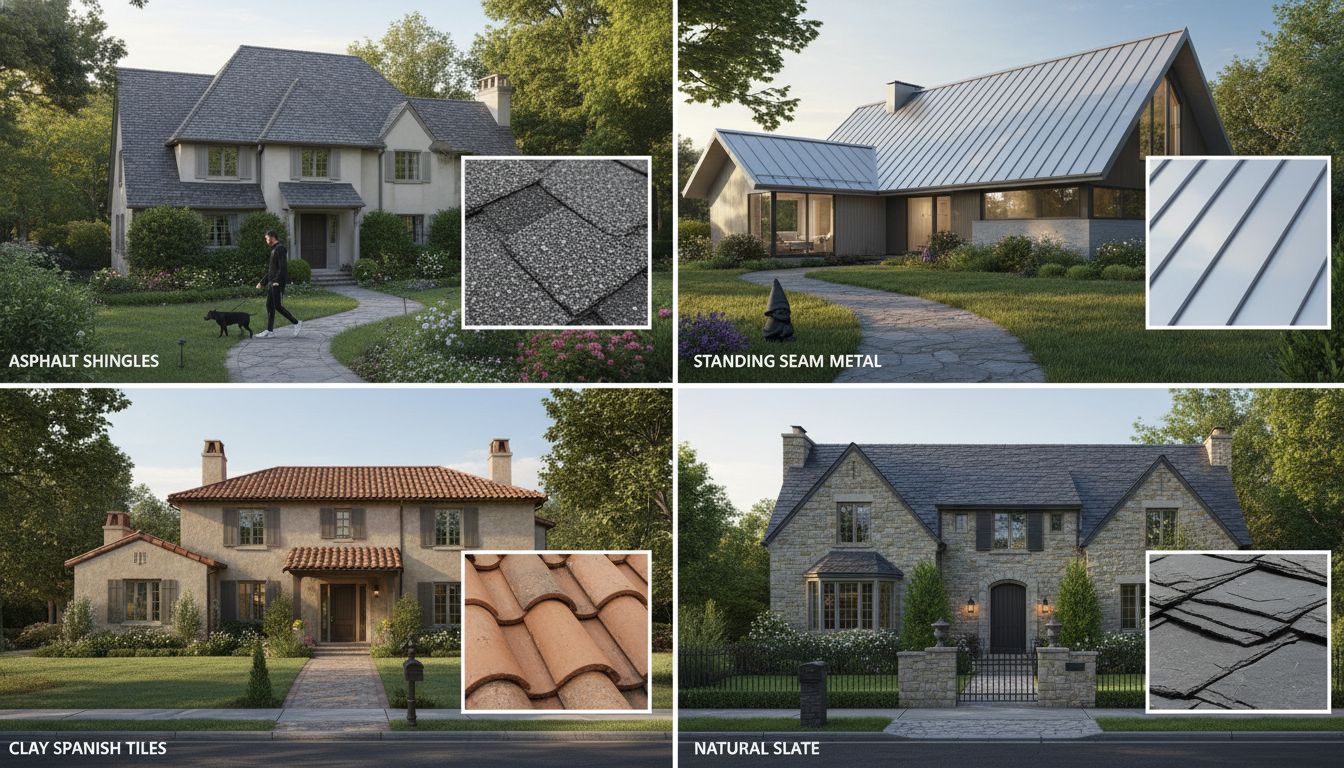 Let’s break down the primary options:
- Asphalt Shingles: Most popular, affordable, and easy to install
- Typically last 15-30 years
- Available in multiple colors and styles
- Best for moderate climates
- Metal Roofing: Durable and energy-efficient
- Can last 40-70 years
- Excellent for areas with extreme weather
- Reflects solar radiant heat
- Clay Tiles: Classic and aesthetically pleasing
- Extremely long-lasting (50-100 years)
- Ideal for Mediterranean or Spanish-style homes
- Excellent in hot, sunny climates
- Slate Roofing: Premium and incredibly durable
- Can last over 100 years
- Natural stone appearance
- Heavyweight and requires specialized installation
For a deeper understanding of selecting the right roofing material for your specific needs, How to Choose the Best Roofing Material for Your Roof offers expert guidance on matching materials to your home’s unique requirements.
How The Replacement Process Works
A roof replacement is a complex process that requires careful planning and professional execution. Als Roofing emphasizes that homeowners must understand each critical stage to ensure a successful roof replacement project.
The typical roof replacement process follows a structured sequence of professional steps. Initially, a comprehensive roof inspection is conducted to assess the current roof’s condition, identifying any underlying structural damage or potential issues. This assessment helps determine the full scope of work and materials needed for the replacement.
Here’s a breakdown of the standard roof replacement process:
- Initial Consultation and Inspection
- Detailed roof assessment
- Identifying potential damage
- Discussing material options
- Preparation and Protection
- Protecting landscaping and property
- Setting up safety equipment
- Preparing staging areas
- Old Roof Removal
- Stripping existing roofing materials
- Inspecting roof deck for damage
- Replacing compromised structural elements
- New Roof Installation
- Installing underlayment
- Adding protective barriers
- Applying new roofing materials
- Final Inspection and Cleanup
- Thorough quality check
- Removing all debris
- Ensuring complete site restoration
9 Materials Included With Your Roof Replacement provides additional insights into the specific components involved in a comprehensive roof replacement project, helping homeowners understand exactly what to expect during this significant home improvement process.
Costs, Risks, And Insurance Factors
Roof replacement is a significant investment that requires careful financial planning and risk assessment. RemodelingCosts.org provides comprehensive insights into the various factors that influence the overall cost of a roof replacement project, highlighting that expenses can vary dramatically based on material selection, roof complexity, and regional labor rates.
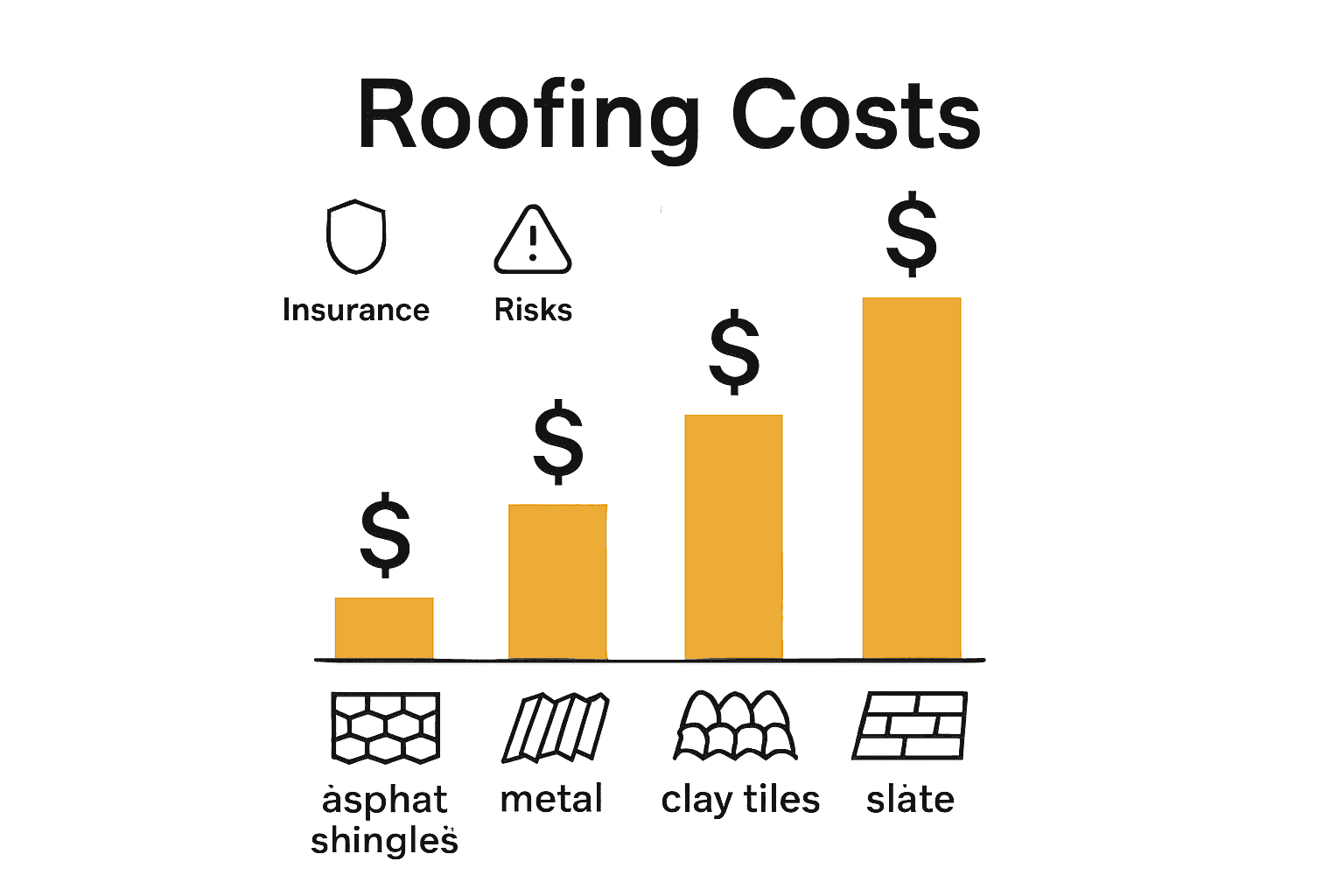
Roofing costs are typically calculated per square foot, with prices ranging significantly across different materials. National Roof Certification and Inspection Association emphasizes that homeowners should consider not just upfront costs, but long-term value, durability, and potential insurance implications when selecting roofing materials.
Here’s a breakdown of key financial and risk considerations:
Cost Ranges by Roofing Material:
- Asphalt Shingles: $3-$6 per square foot
- Metal Roofing: $5-$12 per square foot
- Clay Tiles: $10-$18 per square foot
- Slate Roofing: $15-$30 per square foot
Insurance and Risk Factors:
- Check if your current insurance covers full roof replacement
- Understand how roof age affects insurance claims
- Verify if storm damage is included in your policy
- Consider additional coverage for high-risk areas
Potential Hidden Costs:
- Structural repairs
- Deck reinforcement
- Permit fees
- Disposal of old roofing materials
For a more detailed understanding of potential expenses, Understanding Why Replace a Roof offers expert guidance on navigating the financial aspects of roof replacement.
Alternatives And Compliance Requirements
Beyond traditional roofing solutions, homeowners now have multiple alternatives that balance environmental responsibility with functional performance. The Environmental Blog highlights emerging roofing options that go beyond conventional materials, emphasizing sustainability and energy efficiency.
Eco-friendly roofing alternatives are gaining significant traction in the construction industry. Northwestern University’s Research reveals that alternative roofing solutions can dramatically reduce CO2 emissions and improve overall building energy consumption, presenting compelling options for environmentally conscious homeowners.
Here are the key alternative roofing options and compliance considerations:
Eco-Friendly Roofing Alternatives:
- Green Roofs: Living plant systems
- Natural insulation
- Reduces urban heat island effect
- Improves air quality
- Recycled Shingle Roofing
- Made from reclaimed materials
- Reduces landfill waste
- Often more affordable
- Solar Roof Tiles
- Integrated energy generation
- Eligible for tax credits
- Modern aesthetic design
Compliance Requirements:
- Check local building codes
- Verify permit requirements
- Ensure material meets fire safety standards
- Confirm HOA restrictions
- Verify insurance compatibility
Understanding Types of Roofing Systems provides additional insights into navigating the complex landscape of modern roofing alternatives and compliance standards.
Expert Roof Replacement Solutions Tailored to Your Needs
If you have noticed signs like widespread roof damage or persistent leaks that a simple repair cannot fix you are likely facing the need for a complete roof replacement. The challenge of navigating complex material choices and understanding the full scope of the replacement process can feel overwhelming. At Liberty Roofworks we understand how critical it is to protect your home with a reliable roofing system that lasts and adds value.
With our expertise in residential and commercial roofing we provide comprehensive roof replacement services that cover every detail from removing old materials to installing durable new roofs with quality products like asphalt shingles and advanced commercial roofing options. Trust us to deliver peace of mind with both craftsmanship and a smooth experience. Ready to upgrade your roof with confidence and expert care visit Liberty Roofworks to learn more about our Residential Roof Repair & Replacements and New Roof Installations services. Take the next step to protect your home and family today by scheduling your consultation—you do not want to wait until small issues turn into costly damage.
Frequently Asked Questions
What does a complete roof replacement involve?
A complete roof replacement involves removing the existing roofing materials, inspecting the underlying roof deck for damage, replacing compromised structural elements, and installing a new roofing system with updated materials.
How can I tell if I need a full roof replacement instead of repairs?
Indicators for a full roof replacement include widespread damage covering over 30% of your roof, recurring leaks that can’t be fixed through repair, roof age exceeding 20-25 years, and visible sagging or granule loss on shingles.
What are the most common roofing materials used in replacements?
The most common roofing materials include asphalt shingles, metal roofing, clay tiles, and slate. Each material has distinct characteristics that cater to different climates and aesthetic preferences.
What are potential costs associated with roof replacement?
Roof replacement costs generally range from $3-$30 per square foot depending on the material chosen. Additional costs may include structural repairs, permit fees, and disposal of old materials.